1. Introduction: Why Material Selection Matters
Frame material is one of the most important decisions in eyewear product development. Whether you are building a new sunglasses collection, designing optical frames for retail chains, or sourcing ready-stock eyewear for e-commerce, the choice of acetate, TR90, or metal determines:
- Product durability
- Comfort and weight
- Design flexibility
- Pricing and margin
- Brand positioning
- Consumer perception
- Certification and regulatory compliance
The global eyewear industry continues to evolve, with brands prioritizing comfort, sustainability, and premium aesthetics. Acetate remains a top choice for fashion and luxury markets, TR90 dominates sports and e-commerce channels, and metal frames serve both classic and premium categories.
This guide offers a deep comparison of acetate, TR90, and metal frames, helping buyers select the best material based on design needs, performance, and target customers.
2. Overview of the Three Main Eyewear Materials
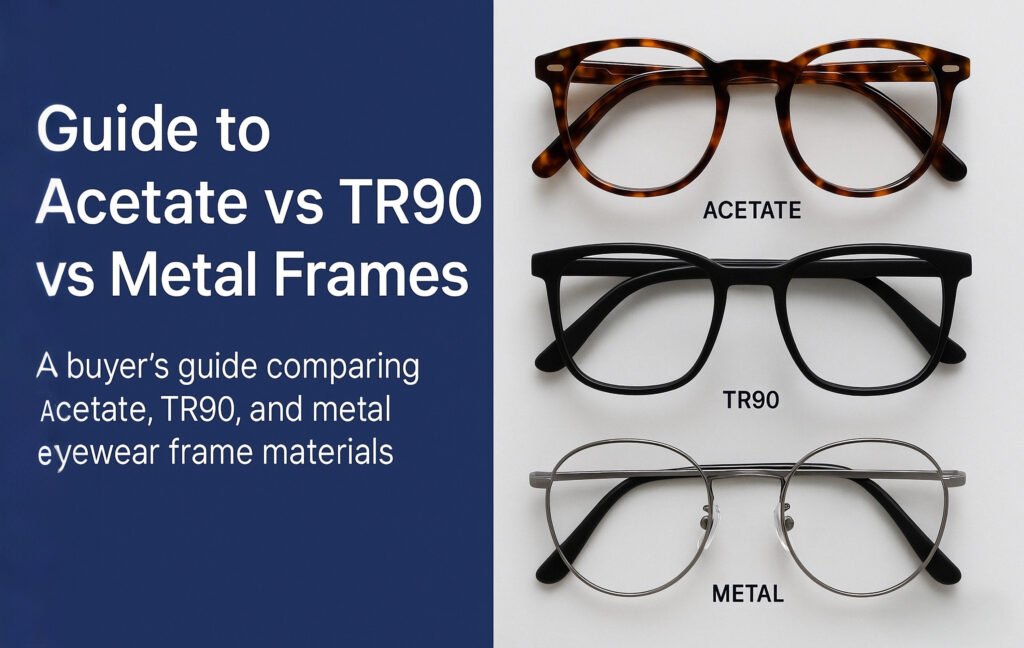
Eyewear manufacturers commonly use three core materials:
Acetate
A plant-based thermoplastic known for premium texture, deep color layering, and customizability.
TR90
A lightweight memory polymer offering flexibility, impact resistance, and comfortable fit.
Metal
Includes stainless steel, monel, aluminum, and titanium, providing strength, thin profiles, and timeless aesthetics.
Each material has unique properties that affect manufacturing cost, tooling, lead time, and brand positioning.
3. Acetate Frames: Features, Benefits, and Applications
3.1 Material Characteristics
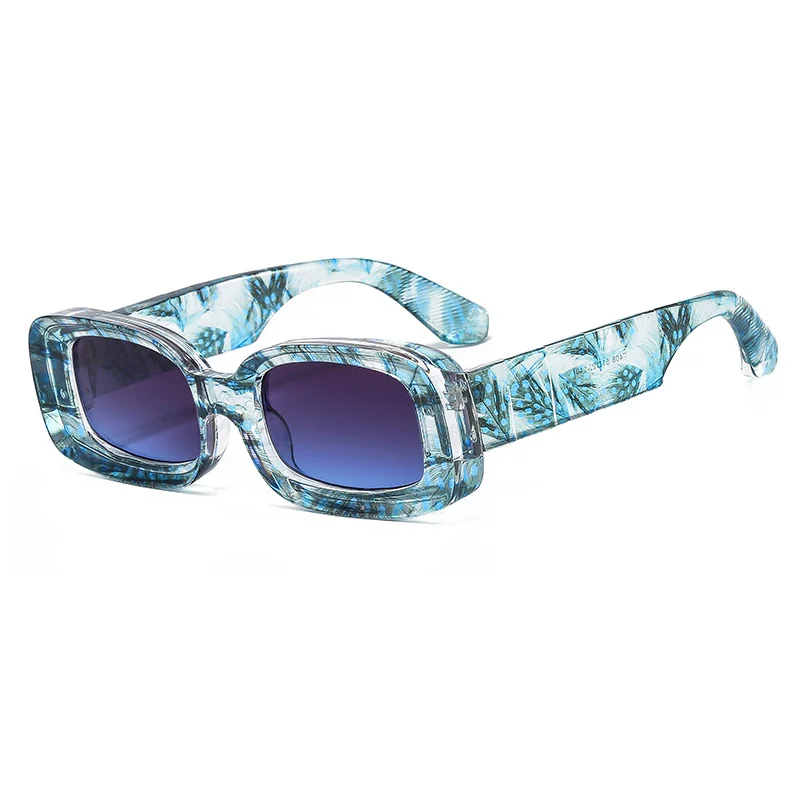
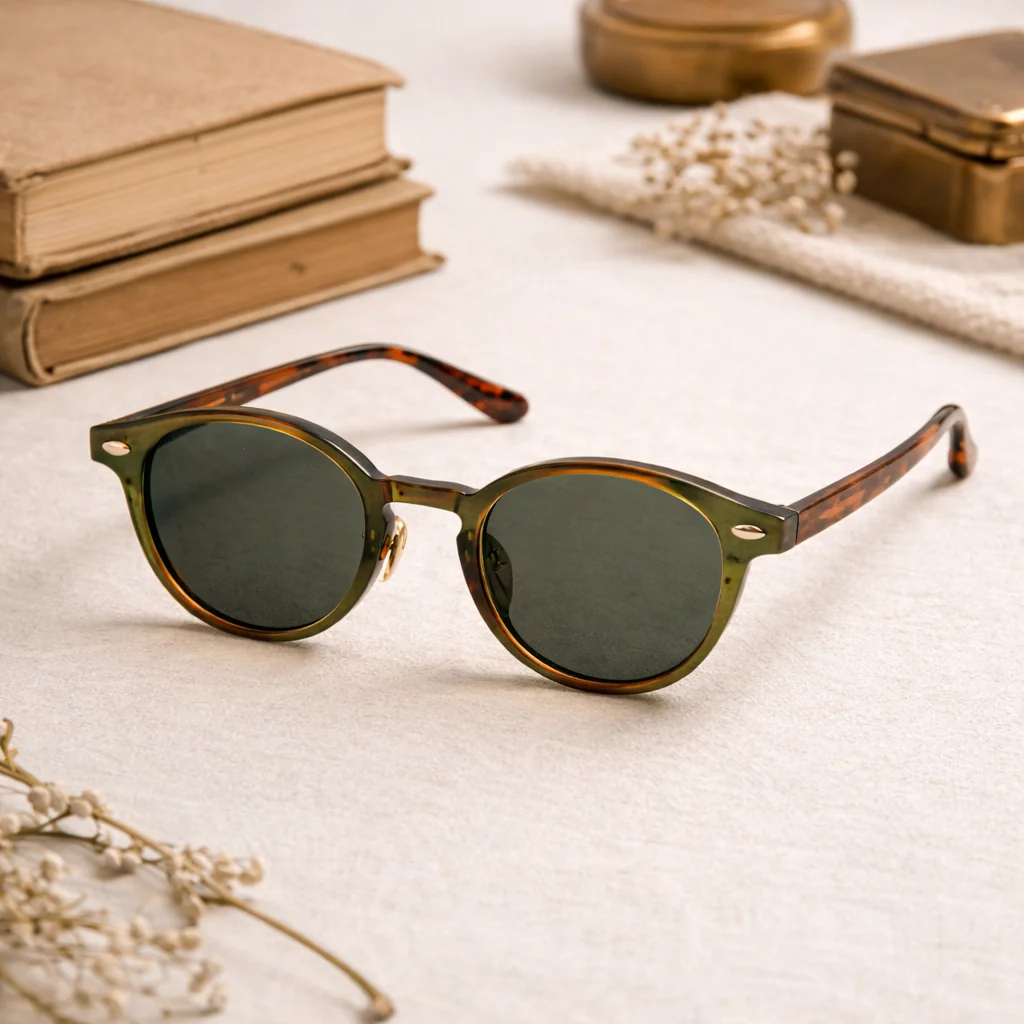
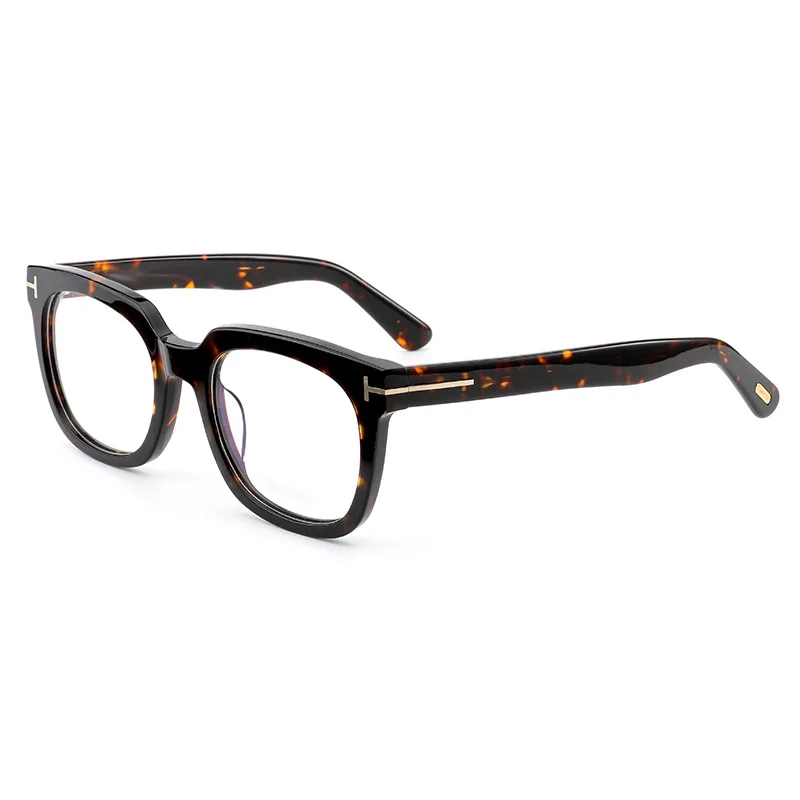
Acetate (primarily cellulose acetate) is widely used in mid- to high-end eyewear. It supports layered colors, polished finishes, and rich textures such as tortoise, gradient, and translucent patterns. Compared to injection plastics, acetate maintains its appearance longer due to its natural composition.
3.2 Key Benefits
- Premium Look & Feel: Heavier, more textured, and visually rich.
- High Customizability: Supports lamination, carving, engraving, and bespoke color blends.
- Durability & Strength: Resists deformation and maintains shape over time.
- Hypoallergenic: Suitable for sensitive skin.
- Brand Perception: Strongly associated with designer and boutique eyewear.
3.3 Best Use Cases
- Fashion eyewear brands
- Luxury optical frames
- Sunglasses requiring bold styling
- Limited-edition acetate collections
- Frame lines targeting Europe and the US
3.4 Buyer Notes
Acetate production has longer lead times compared to TR90 or basic PC frames, especially when creating custom colors or laminated sheets. MOQ is typically higher due to material preparation requirements.
4. TR90 Frames: Features, Benefits, and Applications
4.1 Material Characteristics
TR90 is a memory polymer known for flexibility, lightweight feel, and impact resistance. It is produced by injection molding, enabling fast production cycles and consistent quality.
4.2 Key Benefits
- Ultra-Lightweight: Extremely comfortable for daily wear.
- High Flexibility: Bends without breaking, ideal for sports or children’s eyewear.
- Impact Resistant: Suitable for fast-paced and active environments.
- Fast Production Speed: Shorter lead times enhance market responsiveness.
- Cost-Effective: Lower unit cost vs. acetate or metal frames.
4.3 Best Use Cases
- E-commerce and Amazon sellers
- Sports and outdoor eyewear
- Youth and kids’ eyewear
- Low-MOQ testing collections
- Budget-friendly retail chains
4.4 Buyer Notes
TR90 has limitations in color complexity; while solid colors and gradients are easy, layered patterns like multi-depth tortoise require acetate instead. Injection molds are needed for new shapes, adding initial tooling cost.
5. Metal Frames: Features, Benefits, and Applications
5.1 Material Characteristics
Metal frames include stainless steel, monel, aluminum, and high-end titanium. These materials vary in strength, weight, flexibility, and corrosion resistance.
5.2 Key Benefits
- Slim & Minimalist Style: Ideal for optical frames.
- Strong Structural Integrity: Excellent durability and long-term use.
- Premium Appeal with Titanium: Lightweight, corrosion-resistant, and hypoallergenic.
- High Shape Stability: Maintains alignment with proper adjustment.
- Timeless Aesthetic: Suitable for both classic and modern designs.
5.3 Best Use Cases
- Optical frames for office professionals
- Classic aviator sunglasses
- Thin-profile fashion eyewear
- High-end titanium eyewear lines
- Unisex market segments
5.4 Buyer Notes
Metal frames require more manual processes such as welding, polishing, plating, and nose pad installation. Lead time may be longer than TR90 but similar to acetate.
6. Performance Comparison: Acetate vs TR90 vs Metal
6.1 Feature-by-Feature Comparison Table
Feature | Acetate | TR90 | Metal |
Weight | Medium–Heavy | Very Light | Light–Medium |
Durability | High | Very High | High |
Flexibility | Medium | Excellent | Medium |
Custom Colors | Excellent | Limited | Limited |
Premium Aesthetics | Excellent | Moderate | High |
Suitable For | Fashion/luxury | Sports/e-commerce | Optical/premium |
Heat Resistance | Good | Good | Excellent |
Lead Time | Medium | Fast | Medium |
Cost Level | Mid–High | Low–Mid | Mid–High |
6.2 Summary: Which Performs Best?
- Best for comfort: TR90
- Best for premium aesthetics: Acetate
- Best for classic optical: Metal
- Best for sports & durability: TR90
- Best for fashion-driven sunglasses: Acetate
- Best for thin lightweight frames: Metal/Titanium
7. Buyer Considerations for Each Market Segment
7.1 For Fashion Brands
Choose acetate as the core material; add metal-temple hybrids for higher-end looks.
7.2 For E-Commerce Sellers
Choose TR90 for low return rate + lightweight comfort; cost-effective for scaling.
7.3 For Optical Chains
Choose metal + acetate combination frames for stability, comfort, and mass appeal.
7.4 For Outdoor & Sports Brands
Choose TR90 for durability, flexibility, and compatibility with polarized lenses.
7.5 For High-End Designer Labels
Choose acetate (Italian-style polishing) and titanium for premium positioning.
8. Checklist: How to Choose the Right Frame Material
Buyer Checklist
- What is your target customer segment?
- Do you need premium texture or lightweight comfort?
- What price point is your retail market targeting?
- Does your design require bold colors or thin profiles?
- Do you need low MOQ or fast delivery?
- Is the product intended for sports, daily wear, or luxury fashion?
- What certifications are required for your region?
- What is your tolerance for mold cost vs. per-unit cost?
- Quick Recommendation Matrix
Quick Recommendation Matrix
Scenario | Recommended Material |
Premium designer frames | Acetate / Titanium |
Sports & outdoor | TR90 |
Fast-selling e-commerce | TR90 |
Classic office optical | Metal |
Statement sunglasses | Acetate |
Kids’ eyewear | TR90 |
9. Key Takeaways
- Acetate offers premium aesthetics, deep colors, and brand-luxury appeal.
- TR90 provides the best flexibility, comfort, and durability at lower cost.
- Metal frames deliver classic styling, structural strength, and thin profiles.
- Material selection should align with market positioning, target customers, and product function.
- Chinese manufacturers support all three materials with varying lead times, MOQ, and customization levels.
10. FAQs
Q1: Which frame material is most durable?
TR90 offers the highest flexibility and impact resistance, making it the most durable in active or everyday environments.
Q2: Which material is best for premium eyewear?
Acetate and titanium-based metal frames are preferred for luxury and designer markets.
Q3: What is the price difference between acetate, TR90, and metal?
TR90 is the most cost-effective, while acetate and metal are positioned in the mid–high price range depending on finishing and components.
Q4: Can all three materials support polarized or prescription lenses?
Yes. All three materials are compatible with prescription lenses, polarized lenses, and specialized coatings.
Q5: Which material is best for low-MOQ testing orders?
TR90, due to its fast production cycle and flexible MOQ requirements.
11. Related Resources
Explore Our Sustainable & Recycled Eyewear