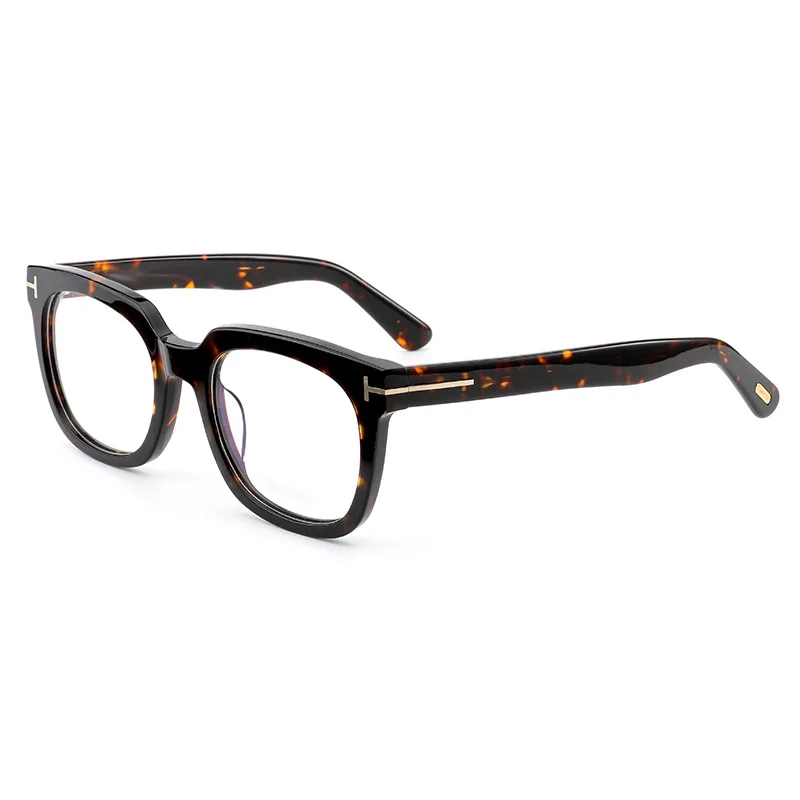
As a supplier in the eyewear industry, understanding export regulations is crucial for successfully shipping plastic sunglasses in bulk. With the increasing demand for stylish eyewear, particularly vintage 90s styles made from injection-molded plastic frames, companies in this sector must navigate a complex landscape of international trade laws and regulations. At JHEYEWEAR, we strive to provide high-quality plastic sunglasses, and navigating these regulations effectively is essential to ensure timely and compliant delivery to our global clientele.

Understanding Export Compliance Requirements
When exporting plastic sunglasses in bulk, it is vital to comply with both domestic and international regulations. Different countries have varying requirements concerning the import and export of goods, particularly those that interact with consumer safety and environmental standards.
Documentation: The first step in understanding export compliance is to gather the necessary documentation. Key documents often include commercial invoices, packing lists, export licenses, and certificates of origin. These documents provide insight into the nature of the goods being shipped and ensure that the transaction complies with regulatory standards.
Product Compliance Standards: Many countries impose specific safety and quality standards for eyewear. In the case of plastic sunglasses, it is essential to ensure that they meet the UV protection and safety standards set by the destination country. For instance, UV400 lenses that block harmful UVA and UVB rays are often a critical requirement. Failing to meet these standards can result in shipment delays or even fines.
Tariffs and Duties: Exporting plastic sunglasses in bulk also involves navigating tariffs and import duties. Different nations may impose various tariffs on sunglasses based on their materials, which can affect pricing and competitiveness in the international market. Understanding the associated costs beforehand can help businesses price their products effectively.
Key Regulations Affecting Plastic Sunglasses Exports
Different regulations across countries can influence how businesses ship plastic sunglasses in bulk. Here are a few key areas to consider:
Environmental Regulations: As many nations tighten their regulations surrounding environmental sustainability, exporters need to be aware of any restrictions on materials, particularly plastics. Compliance with international agreements on plastic use and disposal is becoming increasingly important, which may involve sourcing eco-friendly materials or obtaining certifications.
Consumer Safety Regulations: Standards such as the Consumer Product Safety Improvement Act (CPSIA) in the United States require that products meet stringent safety guidelines. This includes testing for toxic substances, which is particularly relevant to plastic eyewear products. Familiarizing yourself with such regulations will help ensure compliance and avoid potential liabilities.
Labeling Requirements: Proper labeling of products is not just a legal requirement but also contributes to consumer trust. Depending on the market, specific information may need to be included on the packaging or labeling of plastic sunglasses, such as compliance marks or warnings regarding UV protection.
Streamlining the Shipping Process
To effectively manage the complexities of exporting plastic sunglasses in bulk, companies should consider partnering with experienced logistics providers or freight forwarders. These professionals can assist in navigating the intricacies of international shipping, ensuring that all regulatory requirements are met.
At JHEYEWEAR, we emphasize stable delivery and global sourcing for our partners. By ensuring an efficient supply chain and staying informed about evolving regulations, we help our clients overcome potential hurdles in the shipping process.
Ensuring Compliance and Success in Exporting Sunglasses
In summary, while exporting plastic sunglasses in bulk presents numerous challenges, understanding export regulations can streamline the process and contribute to success in the international market. By complying with the necessary documentation, product standards, and governmental regulations, businesses can establish a solid foundation for global trade.
At JHEYEWEAR, we prioritize compliance and quality in our manufacturing processes, enabling you to confidently source our injection-molded vintage sunglasses. With our commitment to delivering high-quality, UV400-protected eyewear, you can trust that your bulk orders will meet both your expectations and regulatory standards. By addressing these key aspects of export regulations, businesses can enhance their operational efficiency and effectively expand their market reach.