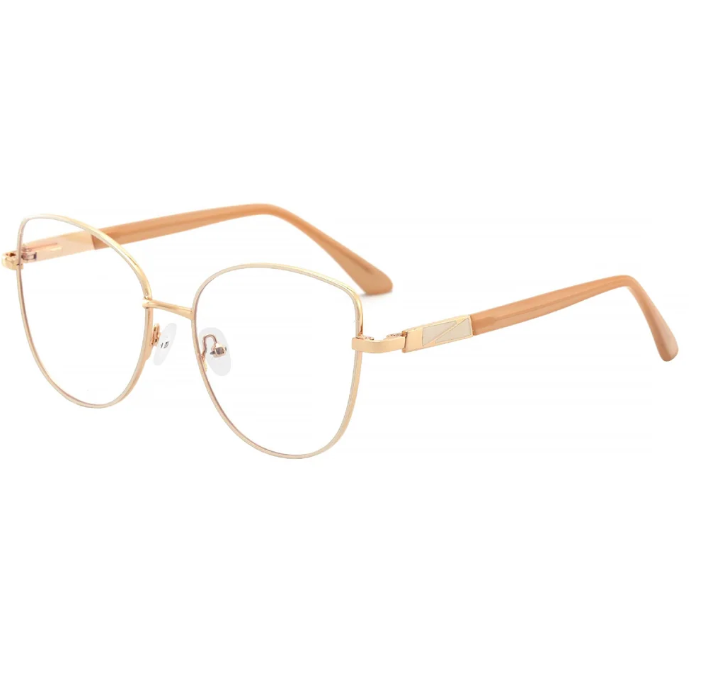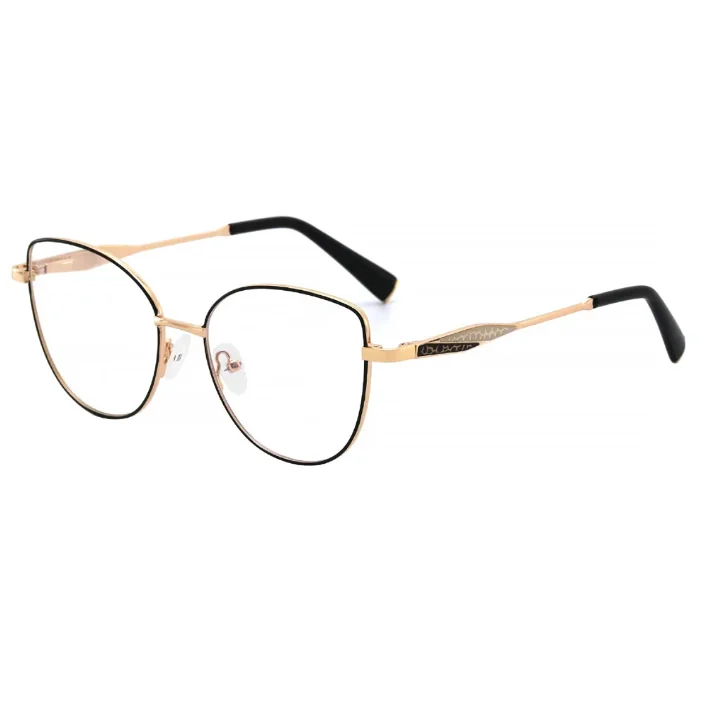
Maintaining a competitive edge in the optical industry requires a deep understanding of industrial engineering and synchronized manufacturing cycles. For B2B buyers, the time elapsed between placing an order and receiving the final product is a critical metric that dictates market agility. A modern glasses factory operates as a complex ecosystem where material science meets precision mechanics. When production lead times are optimized, it is not merely about working faster, but about eliminating the non-value-added intervals that typically stall progress. By deconstructing the manufacturing journey into its core scientific components, we can identify exactly where efficiency gains are made to ensure a seamless flow from Acetate Block Lamination to finished eyewear.
Strategic Material Procurement and Polymer Stability
The foundational phase of eyewear production begins with the chemical and physical readiness of Acetate Block Lamination. High-quality acetate, for instance, requires a specific aging process to ensure that the frames do not warp or shrink after CNC cutting. A sophisticated glasses factory mitigates waiting periods by maintaining a vast buffer stock of pre-cured materials and establishing rapid-response protocols with chemical suppliers. We leverage our deep industry connections to ensure that premium metals and eco-friendly acetates are always available for immediate production start. This proactive approach to inventory management allows us to bypass the standard industry delays often associated with sourcing specialized components for high-end optical collections.
Digital Engineering and High-Precision Prototyping
In the realm of B2B manufacturing, the transition from a technical drawing to a physical prototype is often where the most significant delays occur. Advanced factories now utilize high-definition CAD/CAM software to simulate structural integrity and hinge tension before a single piece of material is cut. By utilizing 3D printing for fit-testing and rapid CNC tooling for initial samples, a glasses factory can reduce the traditional R&D cycle from months to weeks. Our expert OEM and ODM teams utilize these digital workflows to refine designs with surgical precision, ensuring that the first physical sample is as close to the final production unit as possible. This technical accuracy minimizes the need for multiple revision rounds, which is essential for meeting aggressive market launch dates.
Ergonomic Workflow Optimization and Modular Assembly
The physical architecture of the production floor plays a decisive role in the velocity of the assembly process. Through the application of “Lean Manufacturing” principles, workstations are arranged to follow the natural progression of the frame, from front-cutting and wire-core insertion to temple assembly and tumbling. A well-organized glasses factory employs modular production cells that can be reconfigured based on the complexity of the frame design, whether it involves intricate metal filigree or layered acetate. JHEYEWEAR maintains a highly trained workforce of over 600 technicians, allowing us to balance labor intensive tasks like hand-polishing with automated precision. This balance ensures we maintain a steady output, consistently meeting our 45-to-60-day delivery window even during peak seasonal demands.
Integrated Metrology and Real-Time Quality Audits
Efficiency is fundamentally tied to the “First Pass Yield” rate; any item that requires rework is a direct drain on the production timeline. Scientific quality control involves placing metrology and inspection stations at every critical junction of the manufacturing line rather than only at the end. By checking the bridge alignment after heat-shaping and the lens groove depth after milling, a glasses factory can correct deviations in real-time. We implement a multi-stage quality inspection process that adheres to ISO9001 and CE standards, ensuring that every batch meets rigorous international requirements. This preventative philosophy ensures that the manufacturing flow remains uninterrupted by mass defects, safeguarding both the schedule and the brand’s reputation.
Logistics Synchronization and International Compliance
The final stage of production efficiency lies in the transition from the warehouse to the global market. A streamlined export process requires a mastery of international trade compliance, including FDA registration and specific packaging standards for different regions. A glasses factory with extensive global reach understands how to coordinate with freight forwarders to optimize shipping routes and minimize port dwell times. With years of experience exporting to Europe and North America, we handle all customs documentation with meticulous detail to prevent administrative bottlenecks. Whether shipping a minimum order quantity (MOQ) of 300 pieces or a full container load, our logistics team ensures that the physical journey of the product is as efficient as its creation on the factory floor.
Achieving peak performance in optical manufacturing is a continuous process of refinement and technical investment. By focusing on the scientific synchronization of the supply chain, engineering, and quality checkpoints, a manufacturer can provide the reliability that global brands demand. We believe that true partnership is built on the transparency of these processes and the consistent delivery of high-quality products within predictable timeframes. At JHEYEWEAR, our dedication to optimizing every second of the production cycle is what allows our partners to scale their businesses with absolute certainty. Through the marriage of traditional craftsmanship and modern industrial science, we continue to redefine what is possible in the world of professional eyewear manufacturing.