As digital device usage continues to soar, awareness about the impact of blue light on eye health has intensified. For retailers and distributors in the market, understanding the effectiveness of blue light blocking glasses is essential for meeting consumer demand for eye protection. At JHEYEWEAR, we specialize in providing high-quality eyewear tailored for this purpose. This article will delve into the optimal percentage of blue light that glasses should block and the implications for your eyewear offerings.
Understanding Blue Light and Its Effects
Before determining the necessary percentage of blue light that glasses should block, it’s crucial to understand what blue light is and why it matters. Blue light is part of the visible light spectrum, characterized by short wavelengths—ranging between approximately 380 and 500 nanometers. Natural blue light is emitted by the sun; however, artificial sources such as computer screens, smartphones, and LED lights also produce significant quantities of blue light.
Excessive exposure to blue light can lead to digital eye strain, characterized by symptoms such as discomfort, blurred vision, and headaches. There is also growing concern about its potential long-term effects, including possible disruption of sleep patterns and the risk of macular degeneration. Consequently, the demand for blue light blocking glasses has surged, making it essential for retailers to stock effective options.
Recommended Percentages for Blue Light Blocking Glasses
When it comes to effective blue light blocking glasses, research suggests that lenses should ideally block between 30% and 80% of blue light. The specific percentage depends on the intended use of the glasses. For instance:
General Use: Glasses designed for casual users who occasionally work with digital screens should ideally block around 30% to 50% of blue light. This level of protection is often sufficient to alleviate discomfort associated with moderate screen time.
Professional Use: For individuals who spend prolonged hours in front of screens—such as office workers or graphic designers—a higher percentage, around 60% to 80%, may be more appropriate. This increased filtering helps to minimize digital eye strain and improve comfort throughout the workday.
Gaming and High-intensity Use: Gamers or individuals who frequently engage with graphics and visual content may benefit from glasses that block 80% or more of blue light. This offers maximum protection, reducing glare and fatigue during extended gaming sessions.
By offering a range of blue light blocking glasses tailored to different usage scenarios, retailers can better serve their customer base and address specific concerns.
Evaluating Quality and Effectiveness
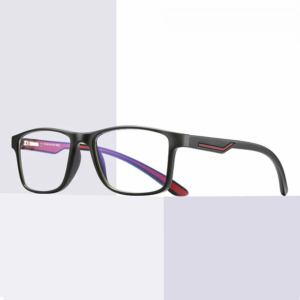
When sourcing blue light blocking glasses for your inventory, it’s essential to prioritize quality and effectiveness. Look for suppliers that conduct rigorous testing on their lenses’ blue light filtering capabilities. At JHEYEWEAR, our bulk TR90 blue light eyewear features lenses specifically designed to filter out harmful blue light while providing comfortable and ergonomic designs suitable for all-day wear.
Additionally, transparent specifications regarding the percentage of blue light blocked will help your customers make informed decisions. Providing this information is crucial for establishing trust and credibility with your clientele, particularly as awareness of eye health continues to rise.
Meeting Market Demands for Blue Light Blocking Eyewear
In summary, blue light blocking glasses should aim to block between 30% and 80% of blue light depending on the user’s needs. Understanding this range enables retailers to curate a diverse selection that caters to various customer preferences and use scenarios.
At JHEYEWEAR, we offer a range of lightweight TR90 blue light eyewear designed with efficacy and comfort in mind, ensuring that your inventory meets market demands. By incorporating our high-quality, competitively priced blue light blocking glasses into your collection, you can address the growing consumer concerns regarding eye health while providing solutions that enhance their digital experiences. Investing in quality eyewear reflects a commitment to customer well-being and positions your brand as a trusted source in the competitive eyewear landscape.