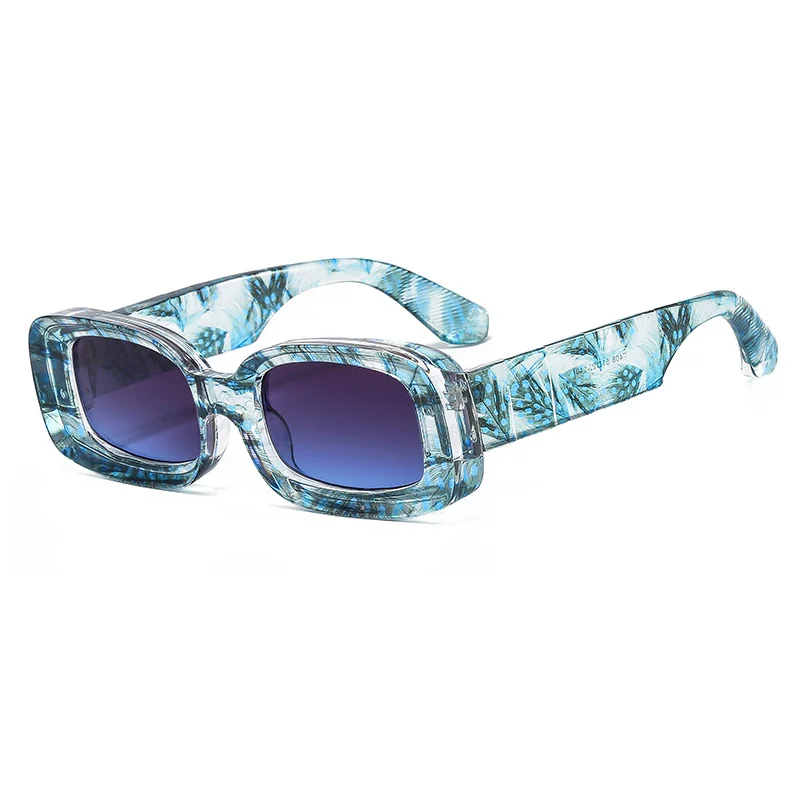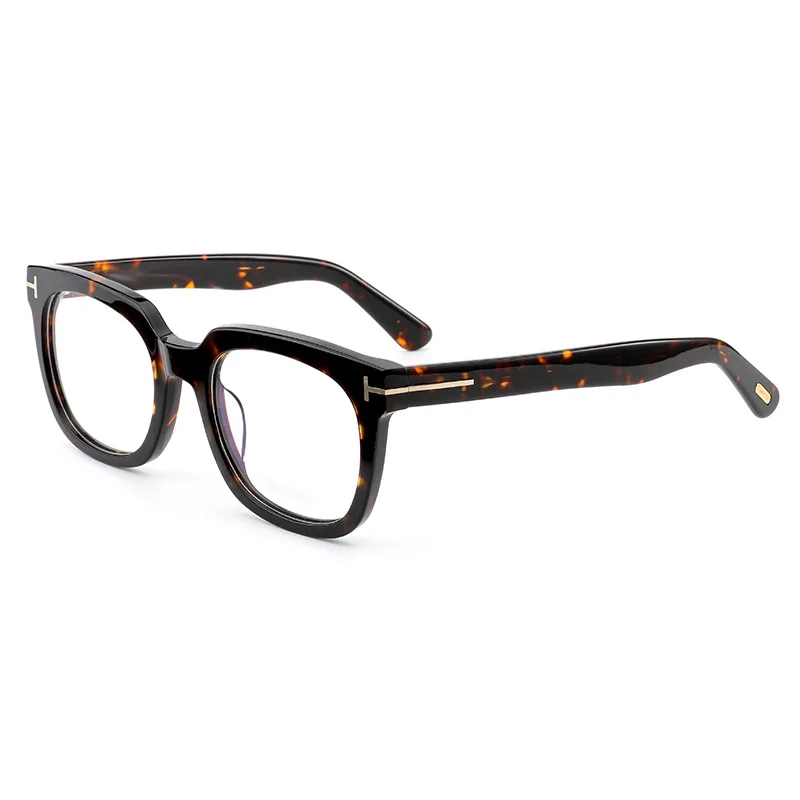
The eyewear market is filled with various materials used in glasses frames, but acetate frames often appear at a higher price point. Understanding the factors that contribute to the cost of acetate glasses frames is essential for retailers and distributors in the market. At JHEYEWEAR, we recognize that this material offers unique advantages, which can justify its investment. In this article, we will discuss why acetate frames command a premium price and what this means for your optical inventory.
The Quality of Materials
One of the primary reasons acetate glasses frames are more expensive is the quality of the materials used in their construction. Unlike plastic frames that may derive from low-cost resin, high-quality acetate is generally made from cellulose acetate, a plant-based material known for its durability and stability. This quality not only enhances the lifespan of the eyewear but also contributes to its appearance and comfort.
High-grade acetate offers a rich, glossy finish and can be produced in a wide spectrum of colors and patterns. This aesthetic versatility means that acetate frames can cater to diverse design preferences, making them more desirable among customers looking for both style and substance. In a competitive market, offering stylish, high-quality frames can significantly elevate a retailer’s product line and appeal to a more discerning consumer base.
Craftsmanship and Production Processes
Another factor influencing the price of acetate glasses frames is the craftsmanship involved in their production. High-quality acetate frames require meticulous manufacturing processes, including handcrafting and precise alignment of components. Each frame underscores a commitment to quality, demanding more time, skilled labor, and machinery than mass-produced alternatives.
In contrast to cheaper options, acetate frames often undergo rigorous quality control checks to ensure that each piece meets high performance and aesthetic standards. This kind of attention to detail not only affects the production cost but also enhances customer satisfaction. Retailers can leverage this superior craftsmanship to market their product as premium eyewear, which can justify the higher price point to their customers.
Design Versatility and Market Demand
The versatility of acetate frames is another reason for their higher cost. The ability to create distinct designs and shapes attracts both consumers and manufacturers, driving higher demand. Classic vintage-inspired frames, such as those crafted by JHEYEWEAR, appeal to a significant segment of the market keen on style, making them more valuable.
Furthermore, the trend towards customization in eyewear has also increased the value of acetate frames. Retailers seeking to offer unique, private-label designs can opt for acetate frames to give their collections an edge over competitors. While customization may incur higher initial costs, the potential for higher margins with unique products often compensates for this investment.
Elevating Your Optical Offerings Through Acetate Frames
In summary, the higher cost of acetate glasses frames is due to the quality of materials, the craftsmanship involved in production, and their design versatility that meets market demand. Retailers and distributors should consider these factors when assessing the value of adding acetate frames to their inventory. By investing in higher-quality eyewear, you position your optical shop as a provider of premium products, which can attract discerning customers and enhance brand loyalty.
By working with a reputable manufacturer like JHEYEWEAR, you gain access to a range of high-quality acetate glasses frames, including vintage-inspired models crafted with care. Our offerings support the needs of global brands, wholesalers, and distributors, ensuring you can meet market demands while delivering exceptional value to your customers. Investing in premium acetate frames will not only elevate your product line but also solidify your position in the competitive eyewear market.