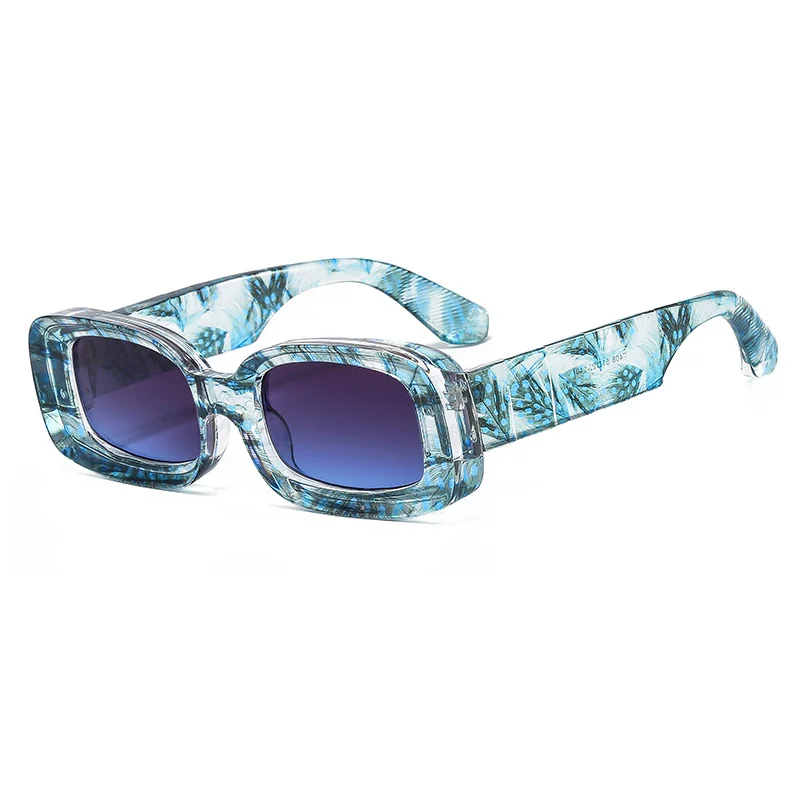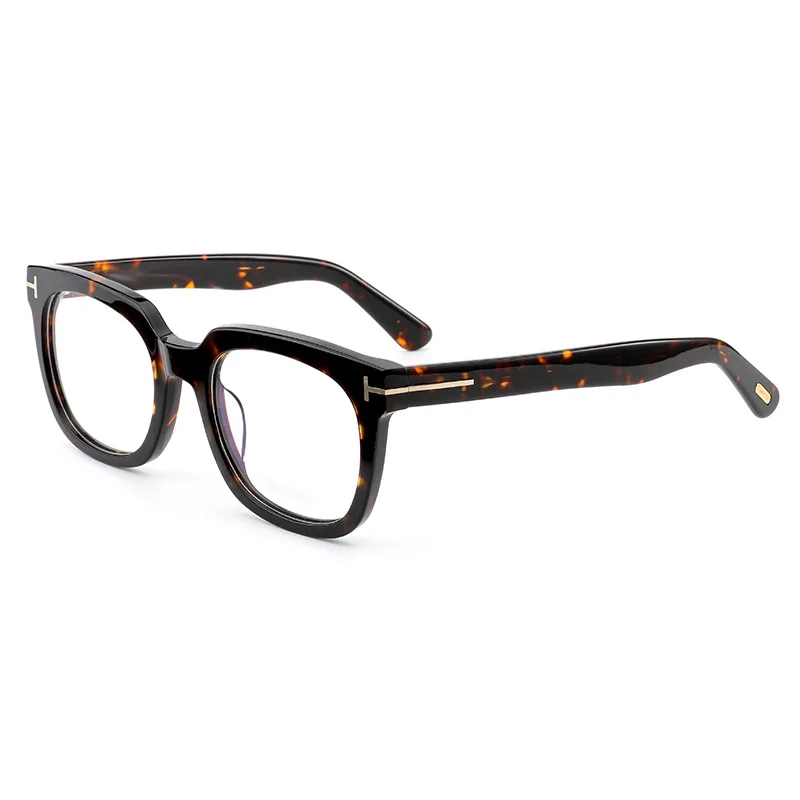
As populations around the world age, there’s a growing need for products tailored to meet the demands of older demographics. One of the most notable accessories for this age group is reading glasses. For businesses looking to tap into this lucrative market, wholesale reading glasses present a reliable investment. These glasses not only meet the immediate needs of consumers but also reflect broader demographic trends, offering an opportunity for sustainable growth in the industry.
The Aging Population and Demand for Reading Glasses
The global demographic shift towards an aging population emphasizes the need for products catering to the unique requirements of seniors. By 2050, it’s projected that over 1.5 billion people will be aged 65 and older, creating significant demand for age-related products and services. Among the necessities are reading glasses, which are crucial for maintaining quality of life as visual acuity declines with age.
Older adults often face challenges such as presbyopia, a common condition that results in difficulty focusing on close objects. This has made reading glasses essential for everyday tasks, from reading to using technology. Consequently, businesses that provide wholesale reading glasses are poised to benefit from this demographic transition, particularly those that can offer a range of options to meet various visual needs and preferences.
Benefits of Sourcing Wholesale Reading Glasses
Wholesale reading glasses offer multiple advantages for businesses. First and foremost, they provide a cost-effective solution for retailers aiming to stock products that appeal to an increasingly aging clientele. With affordable options available, retailers can maintain reasonable profit margins while meeting consumer demand.
Additionally, the availability of different materials and styles—such as lightweight plastic, durable TR90, and elegant metal frames—ensures that there is something for every customer. This diverse array allows businesses to cater to personal preferences, whether for fashion-forward frames or purely functional designs.
Moreover, these reading glasses can be customized through OEM private label services, giving retailers a unique branding opportunity. Fast lead times from manufacturers allow businesses to quickly respond to market demands, ensuring that they are always stocked and ready to meet customers’ needs.
The Role of Reliable Manufacturers in Relationships
To thrive in the market for wholesale reading glasses, establishing partnerships with dependable manufacturers is crucial. Companies should seek manufacturers who prioritize quality control and can provide stable optical performance. This is particularly important in retaining customer trust, as consumers expect their glasses not only to be affordable but also reliable and effective.
Businesses like JHEYEWEAR specialize in producing high-quality reading glasses that meet global standards. By sourcing from trusted suppliers, retailers can ensure that what they offer speaks to quality and value—two aspects that are increasingly important to consumers in this demographic.
Additionally, building long-term relationships with such manufacturers can lead to more collaborative opportunities, including exclusive designs and tailored products that suit specific markets. This dynamic not only fosters business growth but also strengthens brand loyalty among consumers.
A Strategic Move for Future Growth
In summary, the demographic shift towards an aging population and the growing demand for reading glasses present a significant opportunity for businesses. Wholesale reading glasses serve not just as a product but as a strategic entry point into a flourishing market. By focusing on reliable manufacturers like JHEYEWEAR, businesses can secure high-quality offerings that resonate with aging consumers.
Investing in wholesale reading glasses is not just a short-term decision; it’s a forward-thinking strategy for future growth. Companies that act now to secure their supply chains and offer a range of affordable, customizable options will be well-positioned to reap the benefits of this demographic transition for years to come. Embracing the needs of the aging population ultimately aligns with the core values of sustainability and customer-centricity that define responsible business practices in today’s marketplace.