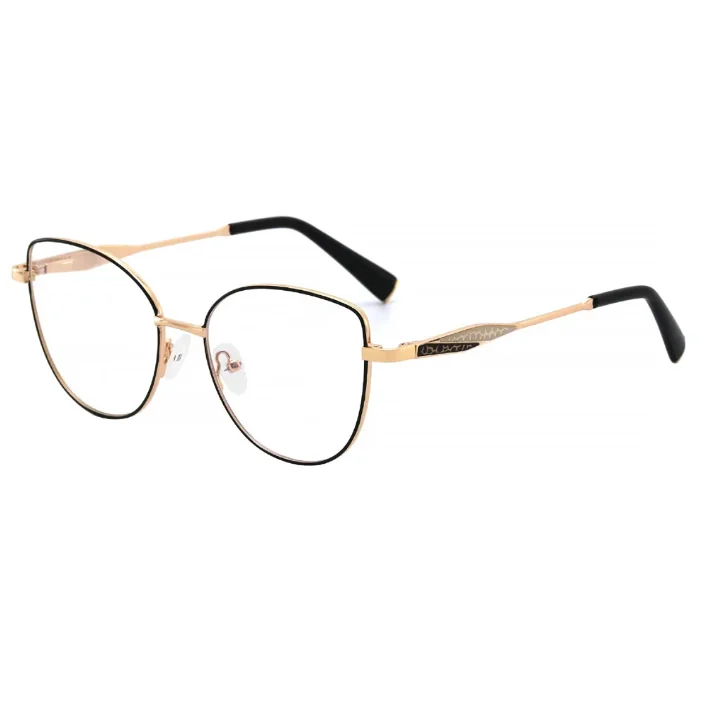
The global eyewear industry faces mounting pressure to address its ecological footprint, particularly regarding the materials used in frame production. As businesses seek to align with environmental responsibility, verifying claims about “green” manufacturing requires a firm grasp of international standards. When companies source materials, they must differentiate between vague marketing claims and verifiable third-party credentials that substantiate environmental assertions.

Verifying Material Authenticity and Production Standards
To ensure a supply chain truly minimizes its environmental burden, sourcing teams focus on specific, internationally recognized certifications. The Global Recycled Standard (GRS) serves as a primary tool for validating recycled content in materials like plastics or metals. This certification tracks recycled materials through the production chain, ensuring that the final product adheres to strict social and environmental criteria, including the reduction of harmful chemicals.
Another pillar of sustainable manufacturing is the ISO 14001 certification. Unlike product-specific labels, this standard evaluates a facility’s entire environmental management system. It confirms that a factory has implemented rigorous processes to monitor and reduce its waste, energy consumption, and carbon emissions. By partnering with suppliers that maintain ISO 14001, organizations gain assurance that production is conducted under a framework designed for continuous improvement in ecological performance.
Additionally, industry-specific labels such as Certified Sustainable Eyewear (CSE) offer a comprehensive assessment of the entire product life cycle. This credential considers the environmental impact of raw material extraction, manufacturing, distribution, and end-of-life disposal. When sourcing, JHEYEWEAR prioritizes these rigorous evaluation protocols to confirm that their diverse range of eco friendly eyewear meets stringent sustainability requirements.
Analyzing the Ecological Impact of Traditional Materials
The environmental concern surrounding conventional eyewear stems from the reliance on petroleum-based plastics and energy-intensive manufacturing processes. Traditional frame production often involves non-biodegradable materials that persist in landfills for decades. Furthermore, the chemical processing required for lens coatings and frame molding frequently results in hazardous waste if facilities lack proper management protocols.
By shifting toward sustainable sourcing, the industry reduces the demand for virgin plastics and lowers the aggregate carbon intensity of frame creation. Certifications play a vital role here by forcing transparency in material procurement. They ensure that recycled metals or bio-based acetates are not merely alternatives, but materials sourced and processed with a verifiable reduction in pollution.
Ensuring Transparency in the Supply Chain
Reliance on third-party verification eliminates ambiguity in B2B procurement. Without these certificates, it is difficult for a business to quantify the actual environmental benefits of their inventory. When suppliers provide documentation such as GRS or ISO certifications, they prove that their environmental claims are backed by empirical data and external audits.
This level of scrutiny is essential for any company that aims to reduce its reliance on fossil-fuel-derived components. Organizations that mandate these certifications from their partners demonstrate a commitment to verifiable ecological stewardship. JHEYEWEAR utilizes these standardized benchmarks to guarantee the integrity of their sourcing, ensuring that every product aligns with the necessary criteria for responsible production.
The path toward a more environmentally conscious eyewear sector relies heavily on rigorous, transparent certification frameworks. Businesses that prioritize standards like GRS and ISO 14001 gain more than just a marketing advantage; they secure a supply chain that effectively mitigates its ecological impact. By moving beyond claims and into validated, science-based performance metrics, the industry moves closer to a future where high-quality optical products do not come at an unnecessary cost to the planet.