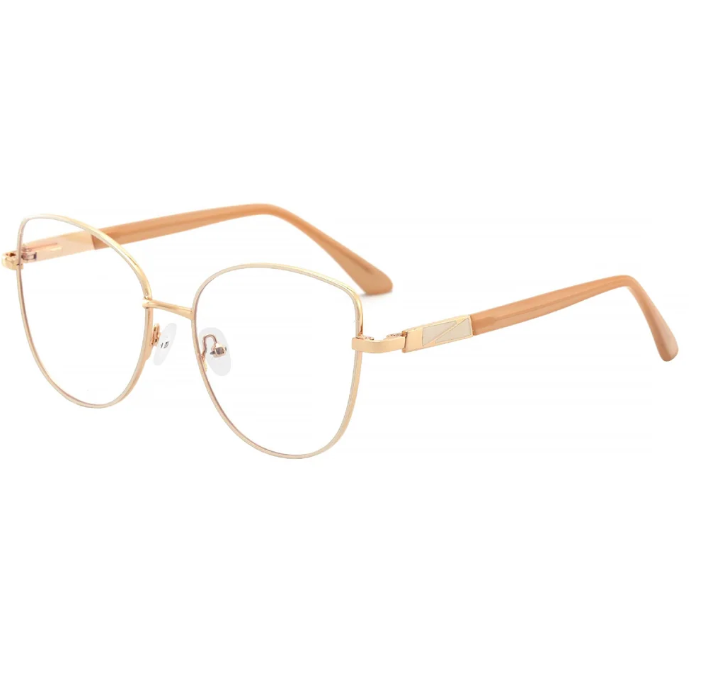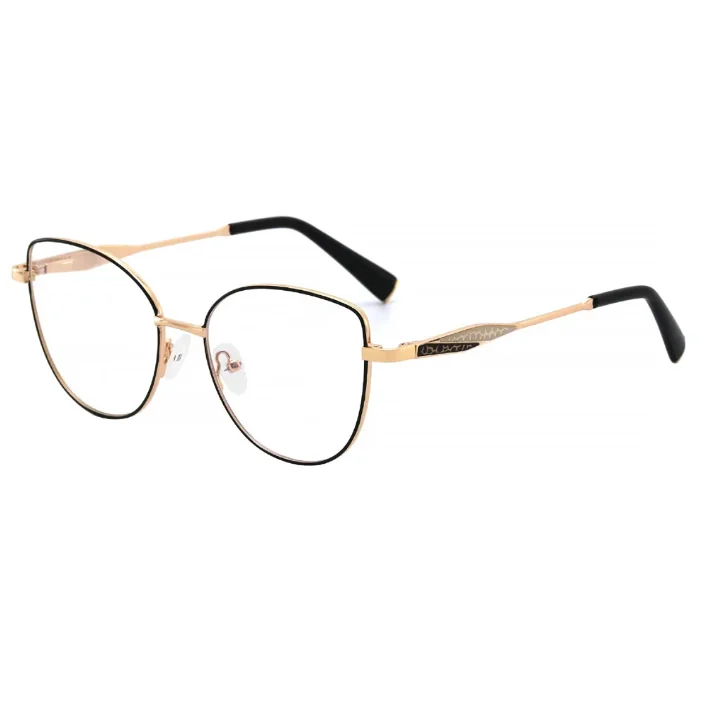
When a brand decides to launch a line of custom eco friendly eyewear, the conversation rarely stops at frame design. The greater challenge is mapping out how each branding element—the logo on the temple, the texture of the case, the ink on the carton—reinforces a coherent sustainability message. A recycled acetate frame inside a plastic polybag printed with solvent-based ink sends contradictory signals, no matter how carefully the frame itself was sourced. We have watched procurement teams spend months qualifying material suppliers, only to realize that their branding technique undercuts the very story they want to tell. This article examines how frame materials dictate compatible decoration methods, why packaging should be treated as a branded surface rather than an afterthought, and where third-party certifications fit into the procurement specification. The aim is not to list options, but to explain the interdependencies between them.

Frame Material as the Starting Point
Every branding decision begins with the substrate. The surface chemistry, thermal tolerance, and texture of a frame determine which decoration methods will adhere, resist wear, and look intentional over the product’s service life.
Bio-based acetate, particularly formulations like Eastman Acetate Renew composed of approximately 43% bio-based content and 27% certified recycled content, offers a dense, polished surface that accepts multiple branding techniques with comparable results to conventional acetate. This matters for brands that want to switch to a lower-impact material without redesigning their logo application process. The surface takes pad printing well, and laser engraving produces a subtle tonal contrast against the polished finish that reads as refined rather than aggressive.
Wood and bamboo frames present a different set of variables. These materials carry grain patterns and natural color variation, which means a logo that works visually on one unit may shift in perceived placement on another. Laser engraving on wood or bamboo creates a darkened mark through controlled surface oxidation—no ink, no solvent, no consumable transfer medium—making it one of the few branding methods that mirrors the sustainability logic of the material itself. The mark is permanent and resists surface abrasion because it sits below the original surface plane.
Recycled plastics and wheat straw composites introduce additional considerations. Recycled polycarbonate and polypropylene frames often carry slight batch-to-batch color variation and may contain trace particles that affect surface smoothness. In these cases, pad printing with a precisely formulated ink offers better adhesion than techniques that rely on surface melting or vaporization. Wheat straw fiber composites, by contrast, have a textured, matte surface where laser engraving produces less contrast; pad printing or screen printing with low-VOC inks tends to yield more legible results.
For brands ordering custom eco friendly eyewear at volume, the material-branding compatibility question deserves early attention. We typically recommend requesting branded samples on the actual frame material rather than a proxy, because photographs of logo applications on different substrates rarely capture the tactile and optical nuance that end users will notice.
Decoration Techniques and Their Environmental Footprint
Once the material is specified, the branding technique itself becomes a decision about permanence, aesthetics, and process-level environmental impact. Three methods dominate the custom eco friendly eyewear segment: laser engraving, pad printing, and screen printing. Each carries a distinct footprint.
Laser engraving stands apart because it requires no inks, no solvents, and no transfer media. A focused laser beam ablates the frame surface to create a recessed mark, with power and path modulation controlling depth and definition. While the process does consume electrical energy—and the embedded carbon of that energy depends on the manufacturing facility’s grid mix—it eliminates the chemical waste stream associated with ink-based methods. This makes it a justifiable choice for brands that want to claim a solvent-free branding process on their eco-conscious eyewear line.
Pad printing remains the standard for detailed, multicolor logos on curved surfaces—a common requirement for eyewear temples. The process uses a silicone pad to transfer ink from an etched plate to the frame, enabling fine registration on narrow or contoured areas. The sustainability profile of pad printing depends primarily on the ink formulation. Solvent-based inks contain volatile organic compounds that require controlled ventilation and disposal; water-based or UV-curable inks reduce VOC emissions but may demand different curing energy inputs. Some manufacturers now offer vegetable-based ink options, particularly for single-color applications where the technical demands on the ink are lower.
Screen printing applies ink through a mesh stencil directly onto the frame surface. For eco-friendly branding programs, the critical variables are the ink carrier (water-based versus solvent-based) and the stencil material. Photopolymer emulsions used in conventional screen printing contribute to process waste, though several facilities have moved to digital direct-to-screen imaging that reduces chemical consumption.
The “ink-free” nature of laser engraving should not be interpreted as automatically preferable in every case. On certain recycled materials, particularly those with lower thermal stability, laser processing can generate localized fumes that require extraction and filtration. A responsible manufacturer will have already factored these controls into their production line, but buyers verifying environmental claims should ask about emission management, not just the absence of consumables.
Packaging as a Branding Surface
Packaging serves a dual function: it protects the product during transit and carries the brand’s identity onto the retail shelf. For eco-friendly eyewear, the materials and printing methods used for cases, cartons, and inserts become part of the brand’s visual and tactile vocabulary.
The shift away from plastic packaging is measurable across the category. Several eyewear brands have eliminated polybags in favor of protective pouches made from 100% recycled PET, housed inside recycled cardboard boxes printed with soy-based or vegetable-based inks. Sugarcane pulp cases represent another approach—fully biodegradable, with a stackable design suited to retail display. These material choices do double duty: they reduce the product’s end-of-life environmental burden and communicate a sustainability commitment through the object’s physical qualities.
For B2B buyers specifying packaging for private-label eco-friendly eyewear, the key decisions include:
Whether the carton will carry print or remain unprinted. An FSC-certified kraft carton with a single debossed logo can carry more brand weight than a full-color printed box if the minimalist aesthetic aligns with the brand’s identity.
Whether to use vegetable-based inks. These inks perform well on uncoated paperboard and eliminate petroleum-based solvents from the printing process, though they can require longer drying times that affect production throughput.
Whether the case material tells a story. A case made from ocean-recovered plastic bottles, for example, becomes a narrative element that sales teams can reference, turning packaging from a cost item into a brand asset.
JHEYEWEAR’s custom eco-friendly eyewear bulk orders are typically assembled and packaged in-house before shipping. We offer comprehensive OEM/ODM services and welcome trial orders from new clients, especially online sellers and new brands. Standard lead time is 25-35 days. Slight adjustments may be necessary during peak seasons.
Certification as a Procurement Filter
Third-party certifications help B2B buyers verify that material claims, manufacturing practices, and product-level sustainability assertions hold up under independent scrutiny. The Certified Sustainable Eyewear (CSE) program, launched by ANFAO and Certottica under UNI EN ISO 14020 and UNI EN ISO 14024 frameworks, evaluates products across environmental, social, and economic criteria on a three-level tiered system. This structure rewards incremental progress while maintaining a ceiling that recognizes comprehensive performance.
For packaging-related claims, FSC certification confirms that paper-based cartons and inserts trace back to responsibly managed forestry. Recycled content claims can be verified through the Recycled Claim Standard (RCS), which tracks recycled input material through the supply chain. Brands using such materials can reference RCS-certified recycled polycarbonate frames with FSC-certified bamboo temples as an example of dual-material sourcing with chain-of-custody documentation.
Certification requirements vary by market. Eyewear entering the European Union must meet EN 166 standards for personal eye protection, with additional documentation under REACH for chemical substance compliance. The United States operates under FDA registration and ANSI Z80.3 specifications. These regulatory benchmarks sit below the sustainability layer but remain non-negotiable baseline requirements for any branded eyewear program.
Within our own product development at JHEYEWEAR, we have applied these principles across the eco-friendly eyewear range, specifying materials that support laser engraving and pad printing while meeting CE and FDA documentation requirements. For procurement teams writing technical specifications, listing the applicable standard references alongside the branding instructions reduces ambiguity between buyer and manufacturer.
Branding custom eco-friendly eyewear requires a coordinated set of decisions that extend well beyond logo placement. Frame material determines which decoration techniques will bond, resist wear, and look correct after thousands of handling cycles. Laser engraving provides a solvent-free marking path on wood, bamboo, and bio-acetate, but its suitability varies with substrate composition. Pad printing and screen printing retain their relevance for multicolor applications on curved surfaces, provided that ink chemistry aligns with the product’s environmental positioning. Packaging materials and printing methods complete the brand’s physical presence, while third-party certifications give procurement teams a verifiable basis for comparing supplier claims. The most effective branding programs we have observed are those where the material, the technique, the packaging, and the documentation all point in the same direction—because any disconnect becomes visible the moment the product reaches the end user.