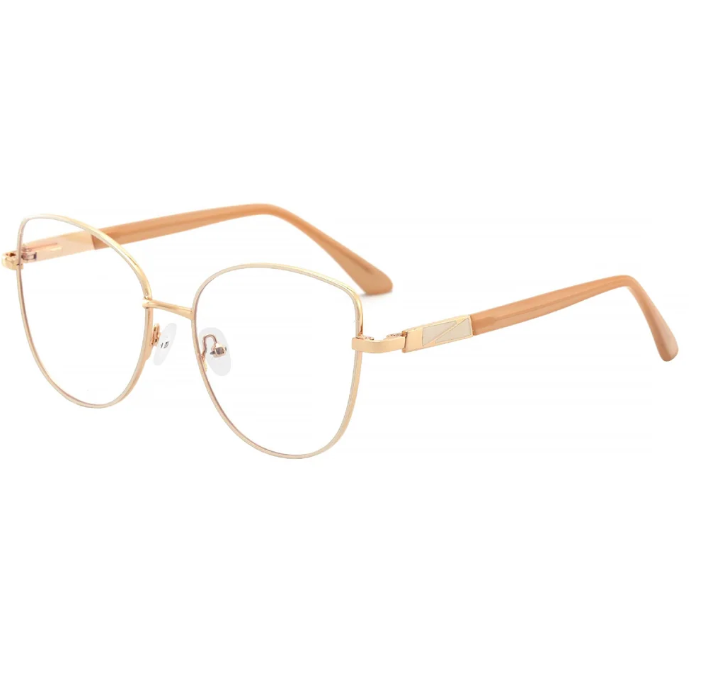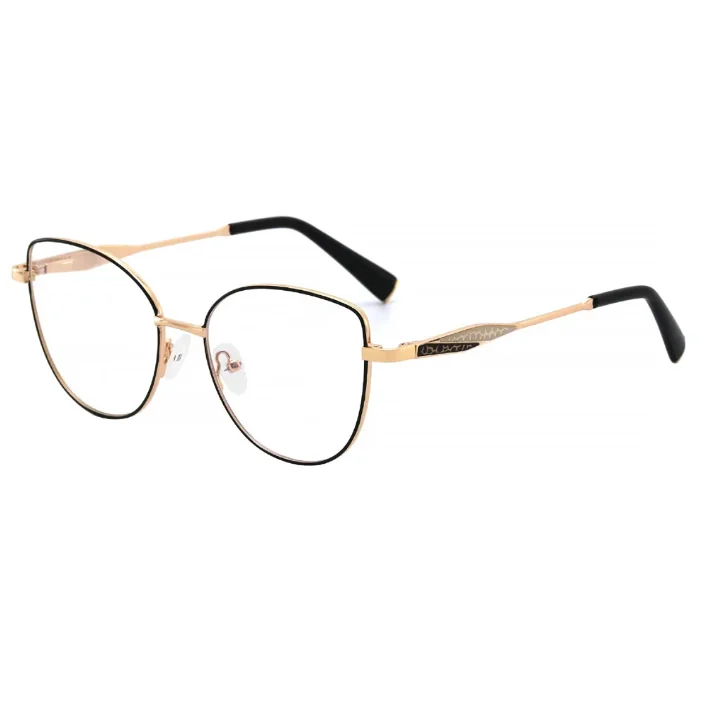
When we evaluate the lifecycle of optical products, structural integrity remains the primary metric for determining long-term value in a B2B context. For wholesalers and retailers, the physical resilience of sunglasses with metal frame construction is not merely a matter of aesthetics but a technical requirement that minimizes return rates and ensures user safety. We recognize that the architectural strength of eyewear depends on a delicate balance between tensile strength, flexibility, and the chemical composition of the alloys used. By analyzing the stresses applied to frames during daily use—ranging from temple expansion to lens pressure—we can better appreciate the engineering required to maintain alignment over time. This analysis focuses on the empirical factors that dictate how metal frames behave under mechanical strain.
Alloy Composition and Tensile Performance
The foundational strength of any frame begins with the metallurgical properties of the base material. We often see stainless steel, Monel, and titanium utilized for their specific strengths, with 304 and 316L stainless steel being particularly favored for their high yield strength and resistance to deformation. These alloys provide the necessary rigidity to hold a precise optical wrap while remaining thin enough to provide wearer comfort. In professional eyewear manufacturing, the grain structure of the metal is manipulated through cold-working processes to increase hardness without making the material brittle. This ensures that the frame can withstand accidental impacts or the constant pressure of being handled without snapping or losing its original shape.
Mechanics of Hinge Assembly and Stress Distribution
The hinge is the most critical failure point in any eyewear design, as it bears the brunt of kinetic energy every time the temples are opened or closed. We focus on the precision of barrel hinges and the integration of friction-reduction washers to ensure that movement remains fluid over thousands of cycles. In a high-quality sunglasses with metal frame design, the placement of the hinge screw and the threading depth are engineered to prevent loosening caused by vibration or repeated use. Furthermore, the way the hinge is attached to the rim—whether through high-frequency welding or integrated casting—determines how much lateral force the frame can manage before the temple arms begin to splay outward.
Thermal Bonding and Structural Joinery Resilience
Joining two pieces of metal requires a deep knowledge of thermal expansion and molecular bonding to ensure the bridge and endpieces stay attached under stress. We examine the integrity of solder joints, particularly silver-based soldering, which offers a robust bond while maintaining a degree of flexibility that prevents cracking. If the heat control during the soldering process is inconsistent, the metal around the joint can become “heat-affected,” significantly weakening the structural core of the frame. Robust joinery ensures that even when the frame is dropped or subjected to extreme temperature fluctuations, the critical points of connection remain intact and the geometric alignment of the lenses is preserved.
Rim Tension and Lens Retention Dynamics
A frame must do more than just look good; it must act as a stable housing for the lenses, exerting a consistent amount of “hoop stress” to keep them secure. The closing blocks—the small parts where the rim is screwed together—must be machined with high precision to avoid gaps or over-tightening that could warp the metal. We analyze the thickness of the eye-wire to ensure it provides enough grip to prevent the lens from popping out during thermal expansion, which occurs when moving from air-conditioned environments to outdoor heat. At JHEYEWEAR, we offer a range of specialized customization services that ensure these technical tolerances are met for various lens materials and thicknesses. Proper rim tensioning is essential for preventing the optical distortion that occurs when a frame pinches a lens too tightly.
Corrosion Resistance and Surface Integrity
The longevity of a metal frame is heavily influenced by its ability to resist environmental degradation, such as oxidation from sweat, humidity, and salt air. We utilize advanced electroplating and Physical Vapor Deposition (PVD) coatings to create a barrier that protects the structural metal from galvanic corrosion. When the surface finish is compromised, the underlying alloy can begin to pit or weaken, eventually leading to structural failure at the microscopic level. High-quality finishes do not just provide color; they serve as a functional layer that maintains the smoothness of the hinges and the strength of the bridge. Ensuring that these coatings are hypoallergenic and sweat-resistant is a core requirement for any product intended for prolonged daily wear in diverse climates.
The durability of professional eyewear is the result of rigorous material selection and precise mechanical assembly. When we prioritize the technical aspects of construction—from the tensile strength of stainless steel to the precision of the hinge mechanics—we ensure a product that serves the end-user reliably for years. For B2B buyers, investing in sunglasses with metal frame options that emphasize these structural principles reduces the costs associated with damaged inventory and customer dissatisfaction. A focus on the “pop-science” of eyewear construction allows us to move beyond simple style trends and toward a standard of quality that is defined by engineering excellence and material longevity. Consistency in these manufacturing standards is what defines a reliable product in a competitive market.