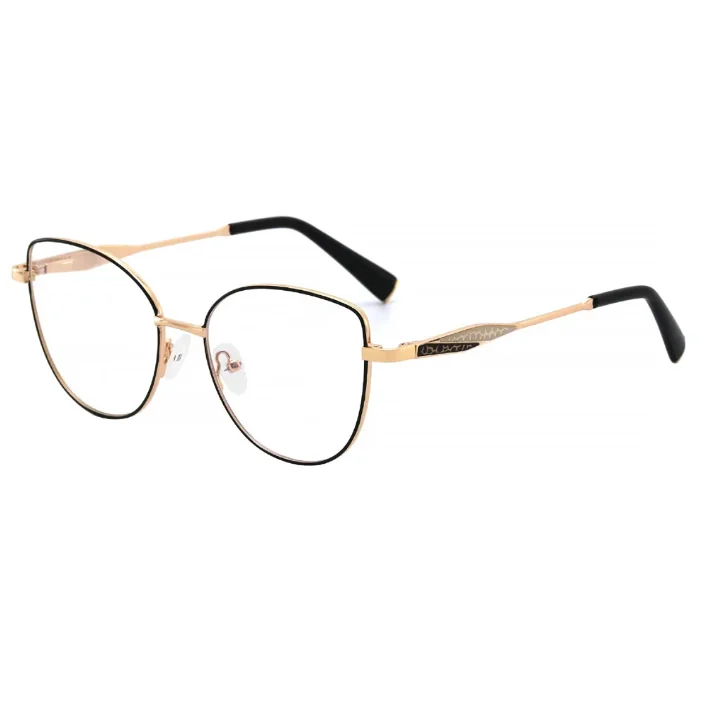
The longevity and aesthetic appeal of metal eyewear depend heavily on the surface treatment technologies applied during the manufacturing phase. For B2B stakeholders, the technical distinction between Electroplating and Physical Vapor Deposition (PVD) is more than just a matter of cost; it is a matter of product lifecycle and client satisfaction. We recognize that the tactile feel and the chemical stability of a frame determine its value in a competitive market. By examining the molecular bond and the application environment of these two methods, we can better appreciate why certain finishes retain their luster while others succumb to the elements. This analysis focuses on the engineering logic behind these finishes, providing a clear picture of how they behave under real-world conditions.
The Chemical Mechanics of Traditional Electroplating
Electroplating has served as the industry standard for decades, utilizing an electrochemical process to deposit a thin layer of metal onto a conductive surface. In this method, the metal frame acts as a cathode and is submerged in an electrolyte solution containing dissolved metal salts, such as gold, nickel, or chrome. When an electric current passes through the bath, metal ions move from the anode to the frame, creating a bonded layer. While this process is efficient for achieving a classic metallic look, the bond is primarily surface-level. The thickness can be adjusted by the duration of the immersion, but the reliance on chemical baths introduces variables in consistency. We see this most often in mass-market production where a uniform appearance is required at a lower price point, though the process necessitates rigorous waste management due to the toxicity of the chemicals involved.
The Physical Vapor Deposition Methodology
PVD vacuum coating represents a significant shift from liquid chemistry to solid-state physics. This process occurs within a high-vacuum chamber where the coating material is transitioned from a solid state to a vaporized plasma state. These vaporized atoms are then propelled toward the eyewear frames, where they condense and form a highly dense, atomic-level bond. Unlike the wet process of electroplating, PVD is a “dry” technology that allows for much tighter control over the coating’s composition. By introducing reactive gases like nitrogen or methane during the deposition, we can produce a wide array of colors and carbides that are significantly harder than the base metal. This vacuum environment ensures that no impurities interfere with the bonding process, resulting in a finish that is structurally integrated with the frame itself.
Analyzing Longevity and Resistance to External Corrosives
When evaluating the best metal frame sunglasses for long-term wear, the primary concern is how the surface reacts to human sweat and atmospheric salt. Electroplated layers, while beautiful, are often softer and more porous, making them susceptible to “pitting” or peeling over time as moisture seeps through the micro-pores to the base metal. PVD coatings, conversely, offer a Vickers hardness that often rivals or exceeds that of the base material. Because the coating is applied at an atomic level in a vacuum, it creates a barrier that is nearly impermeable to the acids found in skin oils. This structural integrity ensures that the frames maintain their original hue and finish even after years of friction against the skin or exposure to harsh UV radiation.
Ecological Footprint of Surface Treatment Technologies
In the current manufacturing landscape, the environmental impact of production is a critical consideration for B2B partners. Traditional electroplating is notorious for producing hazardous wastewater containing heavy metals and cyanides, which require extensive treatment before disposal. PVD technology, however, is a much cleaner alternative. Since the process takes place in a sealed vacuum chamber and utilizes solid source materials, there are no toxic liquids to leak into the environment. There is no hazardous runoff, and the amount of material used is highly efficient, with almost zero waste. We find that this alignment with sustainable practices is increasingly important for brands that prioritize corporate social responsibility without compromising on the mechanical performance of their hardware.
Precision and Color Consistency in Modern Manufacturing
The visual uniformity of a batch of frames is essential for maintaining brand reputation. PVD allows for a level of precision that electroplating struggles to match, particularly regarding the thinness and evenness of the layer across complex geometries like hinges and bridges. Because PVD atoms are deposited in a line-of-sight or plasma-assisted manner, the coating reaches every crevice with a uniform thickness, often measured in mere microns. This thinness ensures that the intricate details of the frame design are not “drowned” by a thick layer of metal. When producing the best metal frame sunglasses, this precision allows for a sophisticated matte or brushed finish that remains consistent across thousands of units. We integrate these high-density PVD coatings into our own metal sunglasses at JHEYEWEAR to ensure they withstand rigorous daily use while retaining a premium feel.
The decision between PVD and electroplating hinges on the intended application and the desired durability of the end product. While electroplating remains a viable option for cost-sensitive projects, PVD provides a superior bond, higher hardness, and a cleaner environmental profile. For those who demand the best metal frame sunglasses, the investment in vacuum-based coating technologies pays dividends in the form of reduced returns and higher consumer trust. As the science of metallurgy continues to advance, the shift toward these high-performance, atomic-level finishes is becoming the standard for any brand that values technical excellence and long-term resilience. By prioritizing the structural science of the finish, we ensure that the eyewear remains a durable tool rather than a temporary accessory.