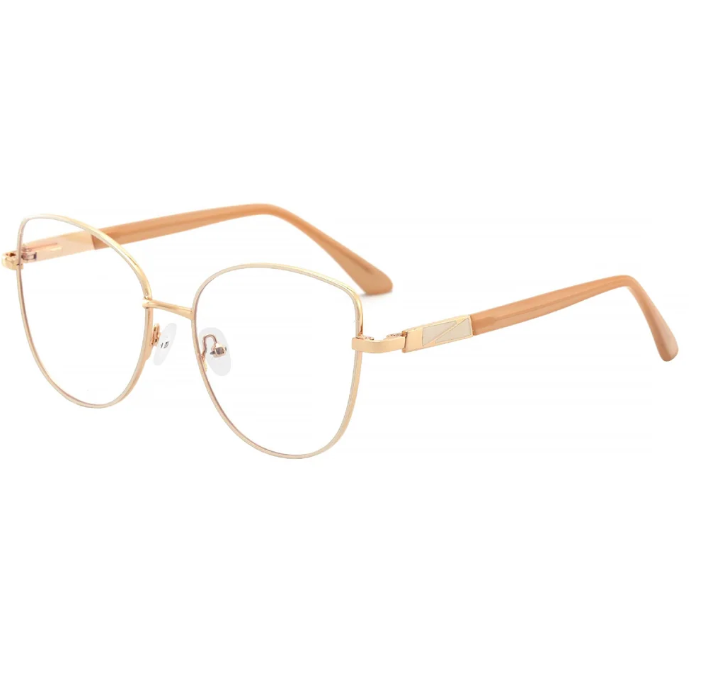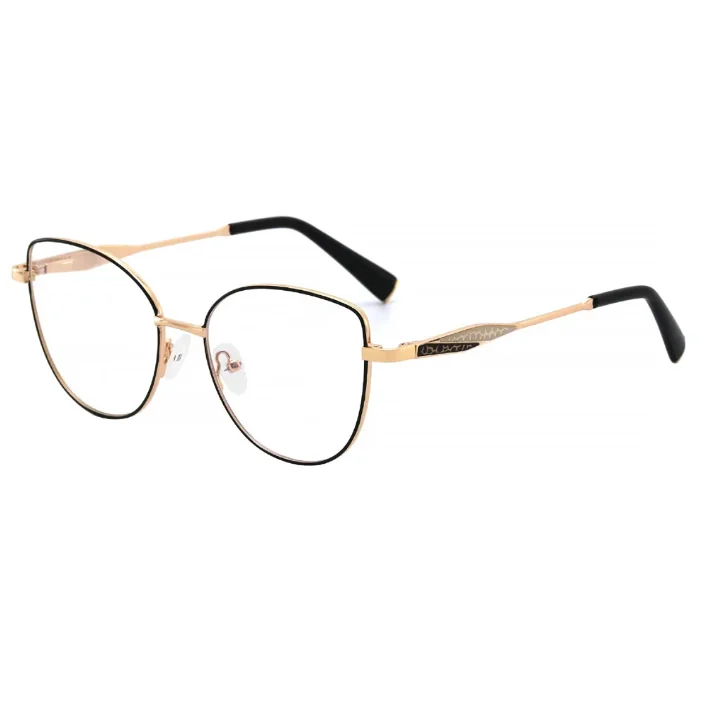
When sourcing optical frames at scale, the conversation often starts with style—but the real procurement decision hinges on material behavior. Acetate, metal alloys, and TR90 each bring a distinct set of mechanical properties to the table. Knowing how these materials perform under daily wear, what limitations they carry, and which consumer segments they serve can shape a product line far more effectively than surface-level aesthetics alone. This article examines the structural characteristics, practical trade-offs, and typical production profiles of these three glasses frame material types, drawing from published technical data and manufacturing experience.

Which Frame Material Is Best: Acetate, Metal, or TR90?
Acetate, metal and TR90 suit different eyewear programs. Acetate is the strongest choice when color depth, surface finish and a crafted appearance drive the collection. Metal is better when the design calls for thin profiles, adjustable nose pads or a precise technical look; titanium and stainless steel should be evaluated separately because their weight, cost and processing differ. TR90-type transparent polyamide is usually the better fit for lightweight, flexible, injection-molded frames, especially in sports and children’s programs.
Acetate vs. Metal vs. TR90 at a Glance
| Decision factor | Acetate | Metal | TR90-type transparent polyamide |
| Typical construction | Machined from laminated sheet | Formed, stamped, machined, soldered or welded components | Injection-molded components |
| Main design strength | Deep color, layered patterns and polished finish | Thin profiles, adjustable components and technical styling | Lightweight, flexible shapes and efficient repeat production after tooling |
| Main limitation | Heat can affect fit and dimensional stability | Performance varies widely by alloy, coating and construction | Less pattern depth than laminated acetate; exact resin grade should be verified |
| Fit considerations | Commonly uses integrated nose-pad geometry | Often supports adjustable nose pads | Flexibility can improve comfort, but fit still depends on frame geometry |
| Production consideration | More machining and finishing labor | Welding, soldering, plating and alloy control matter | Mold investment and processing control matter |
| Often considered for | Fashion and mid-premium collections | Minimal, professional and lightweight designs | Sports, children’s and comfort-led programs |
| Buyer verification | Sheet supplier, color consistency, polishing and dimensional control | Alloy grade, nickel declaration where relevant, weld quality and coating | Resin grade, material declaration, molding consistency and finished-frame tests |
Mechanical Architecture of Acetate
Acetate—cellulose acetate, specifically—is a plant-based polymer derived from cotton linter or wood pulp, formed through a block-sheet milling process followed by hand-polishing. The production cycle itself tells part of the story: raw sheets must undergo extended drying, de-acidification, and baking before cutting, because residual moisture trapped in the material can later compromise dimensional stability.
What sets acetate apart is its lamination structure. Multiple layers of differently pigmented cellulose are fused into a single sheet, then cut and polished to reveal patterns—tortoise, wood grain, marble—that run through the entire cross-section rather than sitting on the surface as a coating. This means the color does not chip or peel with wear. In terms of physical properties, acetate offers moderate rigidity with enough thermoplastic flexibility to allow frame adjustments using controlled heat. However, that same heat sensitivity means acetate frames can warp if left in a hot vehicle or exposed to prolonged direct sunlight. Manufacturers often reinforce the temple interior with a wire core to mitigate this tendency. Fixed nose pads are standard, which can require more precise fitting at the dispensing stage.
Titanium, Stainless Steel, and the Weight Factor
Titanium is generally the better choice when low weight, corrosion resistance and a thin frame profile are priorities. It is commonly used for minimalist and rimless designs, but its specialized processing usually makes it more expensive. Buyers should confirm whether a frame uses pure titanium, a titanium alloy or only selected titanium components.
Stainless steel is heavier but offers a more cost-effective balance of strength, corrosion resistance and production efficiency. Monel is another economical option, although its nickel content may require additional coating and nickel-release testing for sensitive markets.
For production approval, buyers should compare finished samples and check the specified alloy, weld or solder strength, hinge alignment and coating quality.
TR90 and Flexible Transparent Polyamides
TR90-type transparent polyamides are commonly used for lightweight, flexible and injection-molded eyewear. Properly designed frames can withstand everyday bending and recover better than many rigid frame plastics, making the material suitable for sports, children’s and comfort-focused collections.
However, “TR90” is not always used consistently by suppliers. EMS-GRIVORY identifies Grilamid TR 90 as PAMACM12, but other frames may use different transparent polyamides. Buyers should therefore confirm the exact resin grade rather than rely on the TR90 name alone.
Finished-frame performance also depends on frame geometry, wall thickness, molding quality and hinges. Buyers should approve complete samples and verify the resin declaration before production.
Everyday Performance: Three Materials Under Real Conditions
Moving beyond lab data, how these materials behave in daily use reveals further distinctions. Acetate frames hold their shape well in normal conditions but can gradually absorb ambient moisture from the skin and air, which over months may cause subtle dimensional drift—a reason opticians routinely heat-adjust acetate frames during follow-up visits. The material is hypoallergenic and suits wearers with metal sensitivity, but the fixed nose pad design can create fit challenges for those with low nasal bridges.
Metal frames, particularly titanium and stainless steel, resist environmental degradation effectively. Titanium stands up to sweat, humidity, and saltwater exposure without corrosion. However, thin metal temples can concentrate pressure on the sides of the head if the frame weight exceeds 25-30 grams, and the electroplated surface finish on lower-grade alloys may show wear after 12-18 months of heavy use. TR90 frames, by contrast, distribute pressure more evenly due to their elastic flex characteristics, and their hypoallergenic profile matches that of acetate without the heat-sensitivity drawback. The memory function also means that a TR90 frame accidentally sat on will typically recover rather than snap or require professional adjustment.
Production Economics and Market Alignment
Each glasses frame material carries a distinct cost profile that shapes its position in the wholesale market. Acetate production is labor-intensive: the block-cutting, tumbling, and hand-polishing stages cannot be fully automated, which pushes per-unit costs higher and extends lead times. This positions acetate in the mid-premium segment, appealing to buyers who prioritize material provenance and finish complexity. Titanium sits at the upper end of the metal category due to the specialized welding and machining requirements, while stainless steel and monel frames provide a cost-stable alternative for volume-driven accounts.
TR90 occupies a different economic space altogether. Injection molding allows rapid cycle times once the mold is built, making it cost-competitive for medium-to-high volume runs. The per-unit Acetate Block Lamination cost sits below acetate and titanium, though above commodity plastics like standard polyamide. What matters for procurement planning is the match between material performance and end-user expectations. A budget-conscious sports brand will find TR90’s impact safety credentials more commercially relevant than acetate’s gloss depth. A premium fashion line may accept acetate’s higher unit cost because the laminated finish tells a compelling product story at the point of sale. Metal frames with titanium components continue to anchor the professional and lightweight segments where minimal profile and precision engineering drive preference.
How Should B2B Buyers Specify the Material?
A material name alone is not a complete eyewear specification. For acetate, confirm the sheet grade, color, thickness and finish. For metal frames, specify the alloy, coating and any applicable nickel requirements. For TR90-type frames, request the exact resin grade and material declaration.
Buyers should also define the target weight, fit, hinges, surface finish and required finished-frame tests. During OEM and ODM eyewear development, approve complete samples before mass production because frame geometry, components and processing can affect performance as much as the material itself.
The Composite Path
A growing portion of optical production now blends materials within a single frame. The combination that has gained particular traction pairs acetate front frames with TR90 temples. The logic is straightforward: acetate delivers the bold front-face aesthetic and rich color depth that consumers notice first, while TR90 temples cut overall frame weight and introduce flex at the sides—reducing the ear pressure that pure acetate frames can exert during long wear sessions. This approach does not eliminate the individual material limitations, but it distributes functional demands across the frame where each material performs at its relative advantage. For B2B buyers planning differentiated product lines, composite construction represents a design strategy worth evaluating alongside single-material sourcing.
Each of these three material categories serves a clear functional role. Acetate provides unmatched visual depth and craftsmanship cues from its laminated structure. Metal frames—titanium in particular—deliver precision, corrosion resistance, and the lowest achievable weight in wire-profile designs. TR90 brings impact safety, memory elasticity, and weight economy to segments where comfort over long wear cycles is the primary requirement. At JHEYEWEAR, our optical frame collection includes acetate, metal, and TR90 options, supporting OEM and ODM customization across all three material types. The right glasses frame material is ultimately the one whose technical behavior aligns with the wearer’s daily environment and the brand’s product positioning.
Can One Frame Combine Acetate, Metal, and TR90?
Yes. Eyewear can combine an acetate front with metal or TR90-type temples, or use metal cores and hardware within polymer components. A hybrid design can place color and finish at the front while using flexibility, adjustability or lower mass elsewhere. The trade-off is added interface control: buyers should evaluate hinge loads, bonding or fastening methods, color matching, replacement parts and how the different materials respond to heat and repeated adjustment.
FAQ
Q1: Is TR90 the same as ordinary nylon 12?
Not necessarily. “TR90” is often used loosely in eyewear sourcing, while EMS-GRIVORY identifies Grilamid TR 90 as PAMACM12, a transparent polyamide. Buyers should confirm the exact resin grade and material declaration for the frame being quoted.
Q2: Is titanium always lighter than TR90?
Not at the finished-frame level. Material density matters, but frame geometry, section thickness, hinges, lenses and construction also affect total weight. Compare complete approved samples under the same lens and hardware conditions.
Q3: Which material is better for low-volume custom eyewear?
The answer depends on available tooling, design complexity, color requirements and supplier setup. Injection-molded TR90-type frames may require dedicated mold investment, while acetate involves more machining and finishing labor. Buyers should compare total project cost, including tooling, samples and expected volume, rather than unit price alone.
Q4: What should a buyer request before approving a frame material?
Request the exact material or alloy designation, supplier declaration, color or coating specification, sample approval standard and the finished-frame tests relevant to the target market. A broad label such as “metal” or “TR90” is not enough for production control.