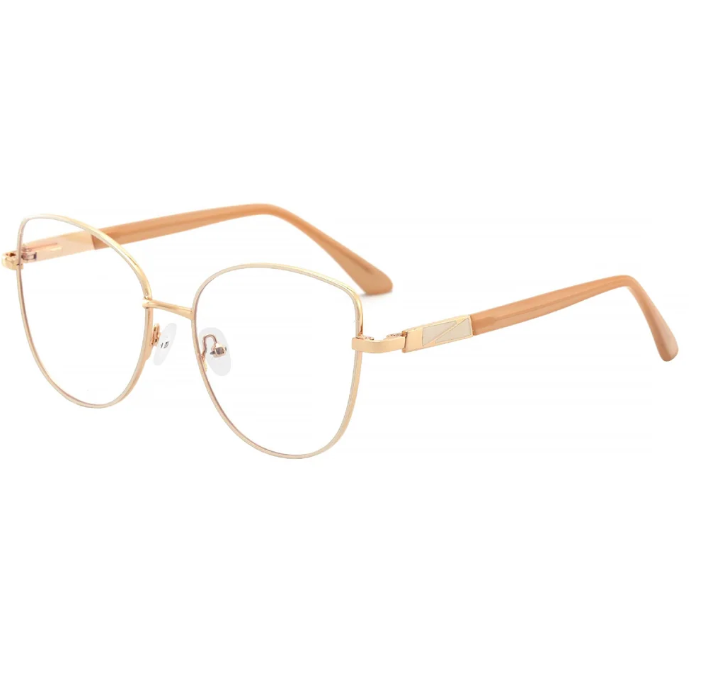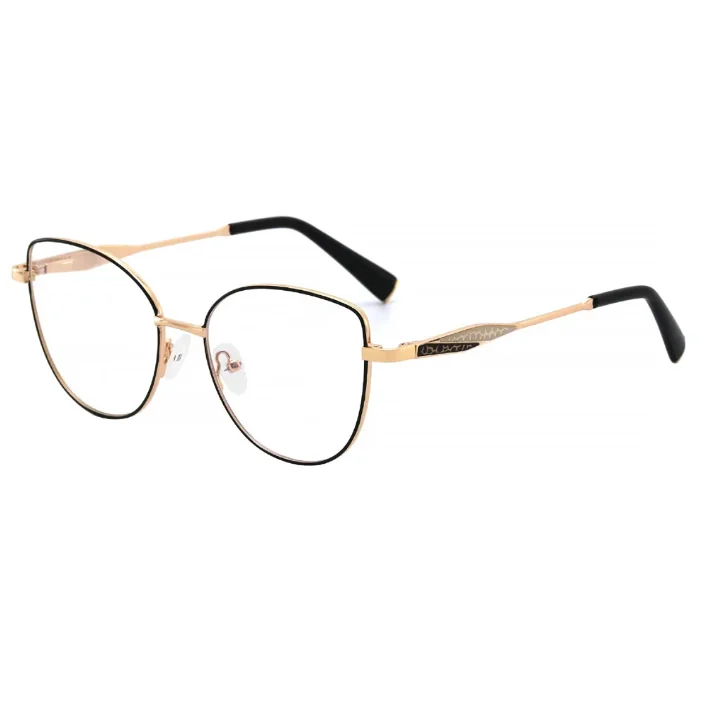
The evolution of optical engineering has moved far beyond simple magnification. In the B2B sector, the focus has shifted toward the precise manipulation of light through complex lens geometries designed to mitigate the specific stresses of screen-based work. Aspheric lens design, once a niche application, has become a fundamental requirement for quality visual aids. This technical shift is driven by the need to eliminate peripheral distortion and minimize the “bug-eye” effect common in high-diopter spherical lenses. By analyzing the surfacing standards and the physics behind aspheric curvature, we can appreciate why certain optics provide a vastly superior experience during prolonged digital tasks. The objective of this analysis is to break down the manufacturing intricacies and material sciences that define modern vision solutions for professional environments.
The Geometric Advantage of Aspheric Curvature
Traditional spherical lenses are characterized by a constant radius of curvature across the entire surface. While efficient to manufacture, this geometry inherently causes “spherical aberration,” where light rays passing through the edges of the lens focus at a different point than those passing through the center. This results in a blurred periphery and a distorted field of view. Aspheric lenses solve this by utilizing a complex, non-spherical profile that gradually changes from the center to the edge. This design allows for thinner, flatter profiles that significantly reduce weight without sacrificing optical power. By flattening the curve, the lens sits closer to the face, providing a wider usable field of vision which is essential for professionals who frequently shift their gaze across multiple monitors.
Vacuum Deposition and Spectral Filtration Physics
The surface of a lens serves as the primary interface between the eye and the digital light source. High-quality aspheric optics utilize sophisticated vacuum deposition processes to apply multi-layered coatings. These layers are not merely for aesthetics; they are engineered at the molecular level to manage the refractive index and minimize internal reflections. Specifically, when light hits a lens, a portion is reflected back, causing “ghost images.” Anti-reflective (AR) coatings use destructive interference to eliminate these reflections, allowing more light to pass through to the eye. This is particularly relevant when considering the spectral output of LED screens, where blue light attenuation becomes a technical necessity to manage circadian rhythm disruption and retinal fatigue during extended shifts.
Precision Surfacing and CNC Manufacturing Logic
The manufacturing of reading glasses for computer use requires a level of precision that traditional grinding cannot achieve. Modern facilities employ Free-form or Digital Surfacing technology, utilizing CNC (Computer Numerical Control) machines equipped with diamond-point cutting tools. This process generates the lens surface based on a complex mathematical grid, allowing for a level of customization that accounts for the specific vertex distance and pantoscopic tilt of the frame. Unlike mass-produced spherical blanks, digital surfacing ensures that the aspheric profile is maintained with sub-micron accuracy. This mechanical rigor ensures that the optical center remains perfectly aligned with the user’s visual axis, preventing the prismatic effects that lead to headaches in a professional setting.
Focal Depth Mathematics for Digital Workstations
Proper optical calibration for digital environments must account for the “intermediate” vision zone, typically between 50 and 70 centimeters. Standard reading lenses are often optimized for a 35-centimeter distance, which is too close for a desktop monitor, leading to a strained posture. When we develop reading glasses for computer applications, the diopter calculation is adjusted to harmonize with the specific focal depth required for screens. This involves analyzing the power shift across the aspheric surface to ensure that the depth of field is sufficiently wide. This mathematical approach to focal lengths allows the eye’s ciliary muscles to remain in a more relaxed state, reducing the accommodative demand that often triggers digital eye strain after several hours of intensive data analysis or design work.
Material Density and the Abbe Value Correlation
The choice of monomer or polymer used in lens production dictates the clarity and durability of the final product. High-index materials allow for thinner lenses but often come with a lower Abbe value, which measures how much a material disperses light. A low Abbe value can lead to chromatic aberration, where “fringes” of color appear around objects, particularly at the edges of the lens. Engineering a balance between a high refractive index and a high Abbe value is the hallmark of premium optics. At JHEYEWEAR, we utilize high-density resin materials that maintain a high Abbe value to ensure our lenses provide color-accurate vision. This material integrity ensures that reading glasses for computer use remain resistant to pitting and maintain their optical clarity through years of daily professional use.
The technical superiority of aspheric lenses in digital environments is rooted in the convergence of geometric physics, advanced surfacing, and material science. By moving away from traditional spherical designs and embracing the precision of digital surfacing, we can offer visual solutions that specifically address the physiological demands of the workplace. The reduction of peripheral distortion, the optimization of focal depth for monitors, and the application of high-durability coatings are all essential components of a high-performance optic. For B2B partners, recognizing these technical benchmarks is vital for providing products that truly support the long-term ocular health and productivity of their clients. The commitment to these rigorous manufacturing standards is what differentiates basic eyewear from precision-engineered optical tools.