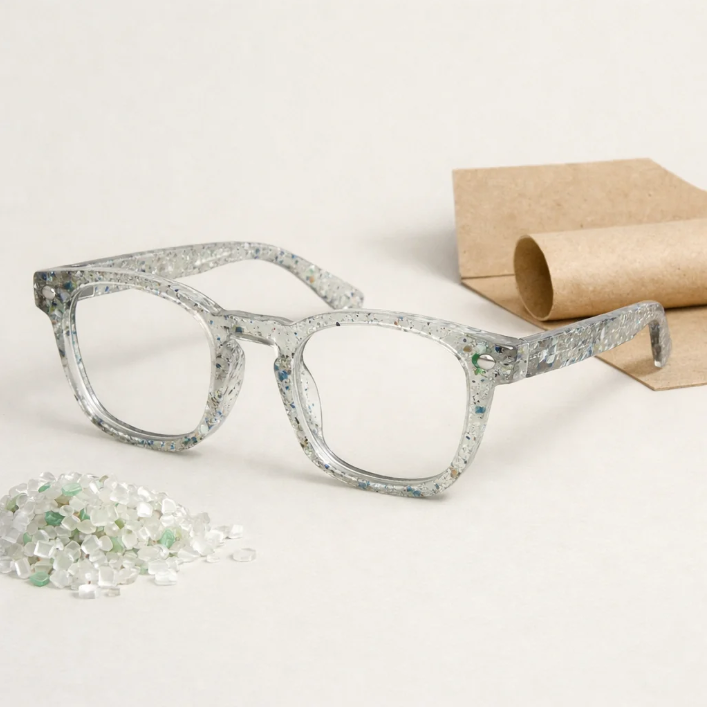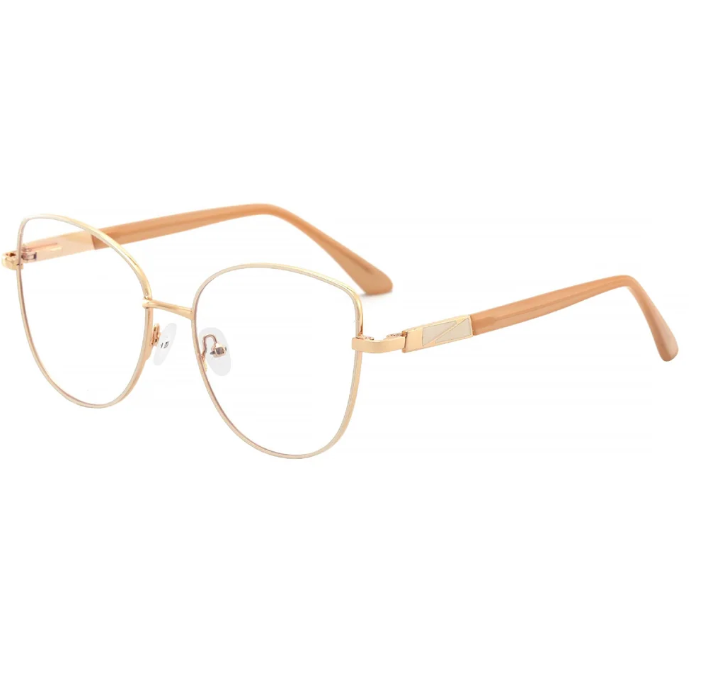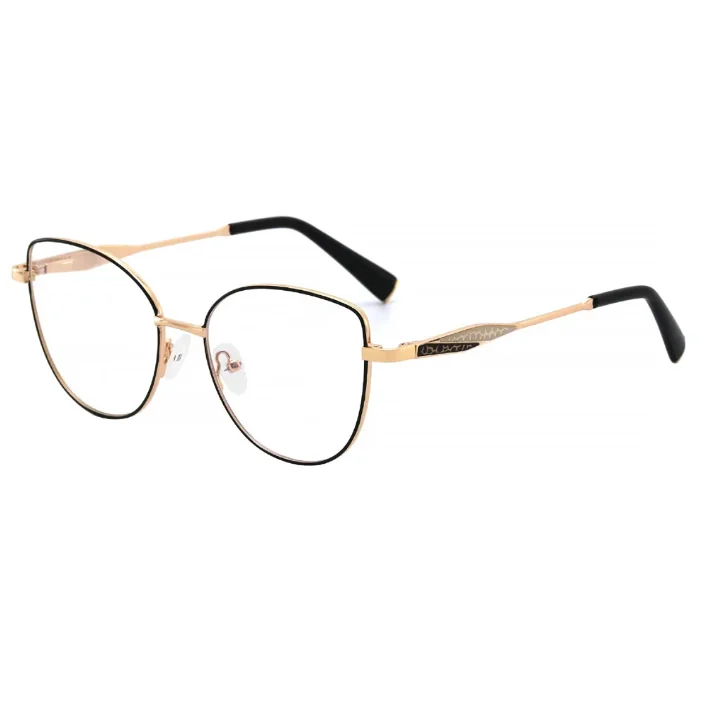
In the specialized field of vision correction, the surface chemistry of a lens is just as critical as its refractive power. We recognize that for a B2B partner, the value of a reading accessory is defined by its ability to perform in demanding professional environments. Standard magnification is merely the baseline; the true differentiation occurs through custom-engineered coatings that manage light, resist physical degradation, and maintain clarity. These chemical and physical treatments are applied with microscopic precision to solve specific optical challenges. By prioritizing the technical specifications of these layers, businesses can provide eyewear that serves as a high-performance tool rather than a simple commodity.
Thin-Film Physics and Anti-Reflective Performance
One of the most requested treatments involves the application of anti-reflective (AR) layers to minimize the interference of stray light. When light strikes an uncoated lens, a significant percentage is reflected, creating visual noise and reducing the contrast of text on a page or screen. AR coatings utilize vacuum deposition to apply multiple layers of metal oxides, each calculated to a specific nanometer thickness. This configuration creates destructive interference for reflected light waves while maximizing the transmission of useful light through the lens. When engaging with wholesale reading glasses manufacturers, it is essential to specify the number of layers, as more complex stacks can reduce reflection to less than 1%. This technical refinement ensures that the end-user enjoys sharp, high-contrast vision even under the harsh glare of industrial or office lighting.
Spectral Management of High-Energy Visible Light
The modern workspace is defined by an abundance of digital interfaces, leading to a high demand for specialized blue light filtration. Custom HEV (High-Energy Visible) coatings are designed to target the specific wavelengths between 415 and 455 nanometers, which are associated with digital eye fatigue. Unlike simple tints that can distort color perception, these technical coatings use narrow-band reflection to bounce away harmful blue-violet light while allowing beneficial blue-turquoise light to pass. This scientific approach to spectral management helps in maintaining the natural sleep-wake cycle of the wearer by preventing artificial light from suppressing melatonin production. By integrating these filters into bulk orders, firms provide a functional health benefit that addresses the biological realities of the 21st-century workforce.
Molecular Cross-Linking for Surface Hardening
Durability remains a primary concern for high-volume procurement, necessitating the use of advanced scratch-resistant hard coats. Most contemporary lenses are composed of organic polymers, which, while impact-resistant, are susceptible to surface abrasions that can ruin optical integrity. Custom hard-coating uses dipping, utilizing automated dip-coating processes to apply a thermally cured siloxane resin, ensuring a uniform molecular lattice. This layer acts as a sacrificial barrier, absorbing the friction of daily cleaning and contact with rough surfaces. Partnering with wholesale reading glasses manufacturers that utilize automated, clean-room application processes ensures that these hard coats are free of imperfections and have uniform thickness. This mechanical reinforcement significantly extends the lifecycle of the product, providing better long-term value for the B2B buyer.
Atmospheric Protection via UV-Absorptive Layers
Protection from ultraviolet radiation is a fundamental requirement that extends beyond the realm of sun protection. UV rays can cause cumulative damage to internal eye structures, making UV-absorptive coatings a critical technical addition to any reading lens. These coatings contain chemical UV-inhibitors that block radiation up to 400 nanometers, effectively shielding the eye from both direct and reflected atmospheric energy. While some lens materials have inherent UV-blocking properties, custom surface treatments ensure a comprehensive barrier that does not degrade over time. At JHEYEWEAR, we implement these protective standards across our production lines to ensure that every lens meets rigorous safety benchmarks for ocular health. This commitment to preventative care is a key indicator of a technically superior optical product.
Low-Energy Surfaces and Hydrophobic Barriers
The final frontier of lens customization is the management of surface energy to prevent the accumulation of moisture and oils. Hydrophobic and oleophobic coatings use fluorinated polymers to create a “slick” surface that resists the adhesion of water droplets and skin lipids. From a scientific perspective, these treatments increase the contact angle of liquids, causing them to bead up and slide off the lens rather than smearing across the visual field. This is particularly useful in environments with fluctuating temperatures where fogging might occur, or in high-touch situations where fingerprints could obscure vision. Experienced wholesale reading glasses manufacturers apply these as the topmost layer of the coating stack, ensuring they are robust enough to withstand repeated wiping without losing their repellent properties.
The technical complexity of modern lens coatings represents a significant leap forward in optical science. By combining anti-reflective physics, blue-light filtration, mechanical hardening, UV absorption, and moisture-repellent chemistry, manufacturers create a product that is far more than the sum of its parts. For a business, understanding these specifications allows for more informed procurement decisions that prioritize the health and productivity of the end-user. As chemical engineering continues to evolve, the ability to customize these surfaces will remain the hallmark of quality in the B2B eyewear market. Focusing on these data-driven enhancements ensures that every pair of glasses provides a clear, protected, and durable visual experience.