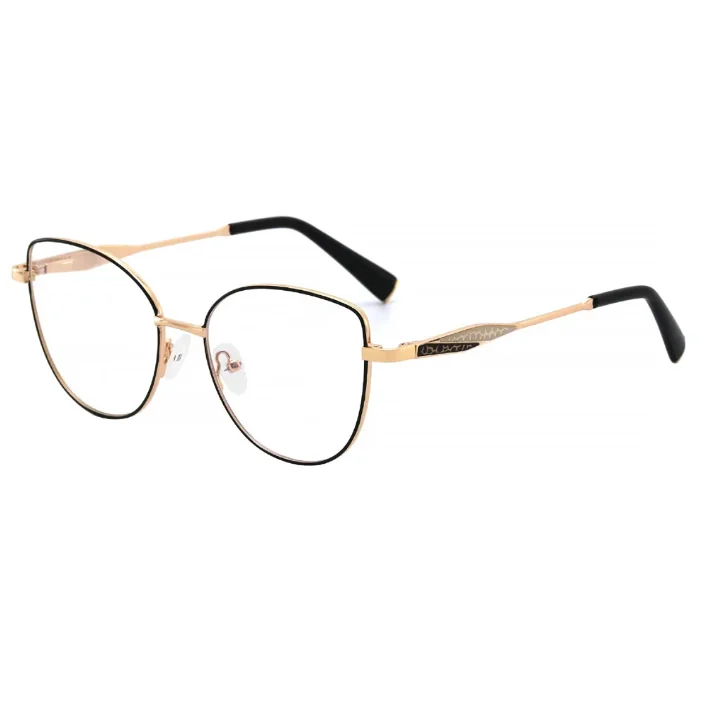
When we analyze the utility of cycling glasses for men, we must look beyond simple aesthetic trends and focus on the intersection of aerodynamics, facial geometry, and material impact resistance. For B2B stakeholders, providing equipment that maintains visual clarity under extreme physical exertion involves a deep appreciation of how airflow and frame tension interact with the human face. A failure in frame stability or lens ventilation can lead to fogging or displacement, which are critical safety concerns during a high-speed descent. We treat these pieces as functional tools designed to mitigate environmental variables like wind shear, debris, and fluctuating light conditions through rigorous physics and material science.
Aerodynamic Profile and Wind Deflection Mechanics
A significant factor in determining the manner in which air flows around the rider’s temples is the curvature of the lens, which is also commonly referred to as the base curve. In order to minimise the suction effect that can draw dust or allergens into the eyes, the majority of cycling glasses for men that are of professional standard use an high-wrap 8-base geometry to match the human facial profile and reduce wind turbulence. It was a deliberate engineering decision to create this wrap-around design in order to lessen the amount of friction and prevent the tear film from drying out when travelling at high speeds. Through the management of the slipstream across the lens surface, the frame guarantees that the rider’s vision will stay steady and unencumbered by wind-induced tearing or turbulent air pockets, both of which have the potential to endanger safety during a sprint.
Impact Resistance and Polymer Integrity
Safety in cycling gear is defined by the ability of the material to absorb energy without shattering into dangerous shards upon impact. We prioritize the use of high-grade polycarbonate or advanced polymers for lens construction because these materials offer high tensile strength and internal flexibility. If a pebble or road debris strikes the lens at 40 km/h, the material must de-form slightly to dissipate the energy rather than fracturing. The frames, often made from TR90 or similar memory-sensitive grilamid, provide the necessary elasticity to survive a fall while remaining light enough to avoid causing pressure points on the nasal bridge or ears during long-duration rides.
Thermal Regulation and Anti-Fogging Channels
Ventilation is a primary engineering challenge when the rider’s body temperature rises while the external air remains cool or humid. We see the most effective designs incorporating strategic cut-outs or vents at the top or sides of the lens to facilitate a chimney effect, drawing warm, moist air away from the face. Without these channels, water vapor regularly condenses on the inner surface of the lens, effectively blinding the athlete during peak exertion. Modern cycling glasses for men balance this need for airflow with the need for protection, ensuring that the air moves fast enough to clear fog but slow enough to avoid irritating the cornea through excessive dryness.
Hydrophilic Grip and Anthropometric Stability
A frame is only as functional as its ability to stay in place when the wearer is sweating or moving over rough terrain. We utilize hydrophilic rubber—a material that actually increases its coefficient of friction as it becomes wet—on the nose pads and temple tips to ensure the glasses do not slide down during a ride. This chemical property is essential for maintaining the optical center of the lens relative to the pupil, preventing visual distortion. At JHEYEWEAR, we provide comprehensive manufacturing and customization services that ensure these technical grip components meet the highest standards of durability and wearer comfort. Stability is further enhanced by adjustable temple arms that allow for a secure fit against various helmet retention systems.
Optical Filtration and Chromatic Definition
Light management in varied environments—from deep forest shadows to bright asphalt glare—requires specific light transmission profiles and spectral filtering. We analyze how different lens tints filter specific wavelengths of the visible light spectrum to enhance contrast on the road or trail. For instance, copper or amber tones are often used to highlight irregularities in the ground surface, allowing for faster reaction times. The application of hydrophobic and oleophobic coatings further ensures that rain and skin oils bead off the surface immediately, maintaining a clear line of sight regardless of the weather conditions or physical output of the cyclist.
The technical complexity of modern athletic eyewear reflects a commitment to both performance and biological protection. By focusing on the physics of airflow, the chemistry of impact-resistant polymers, and the ergonomics of secure fitment, we can provide gear that truly supports the rigors of the sport. For professional buyers, the value lies in the details of the hinge tension, the clarity of the injection-molded lenses, and the durability of the coatings. High-quality eyewear acts as a silent partner to the rider, removing distractions and allowing for total concentration on the path ahead. Reliability in these components is the baseline for any successful technical eyewear collection, ensuring a product that performs consistently under pressure.