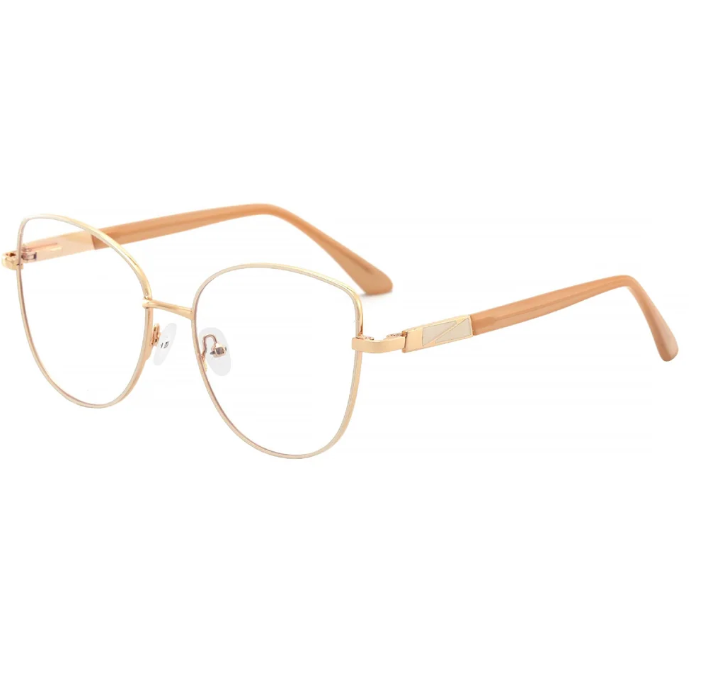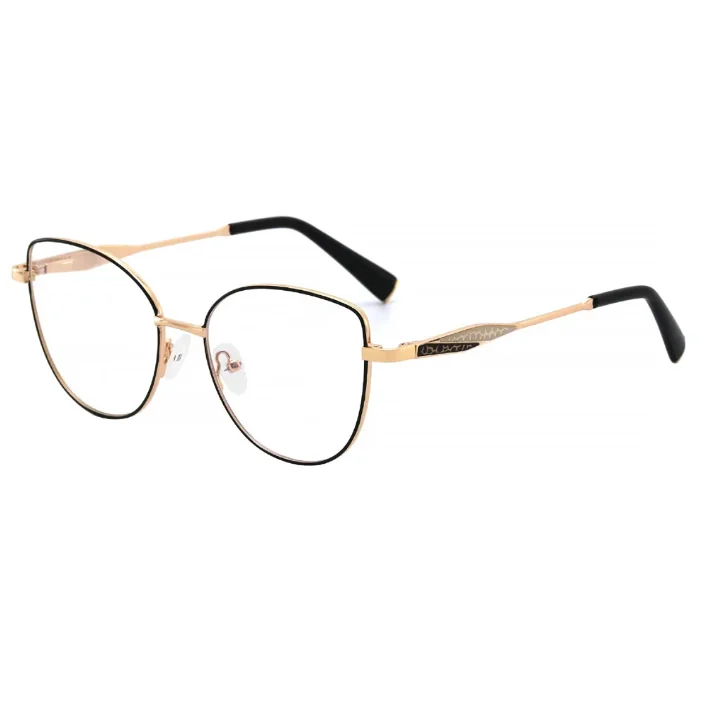
Cellulose acetate has anchored a significant segment of the optical frame market for decades, and the reasons become clearer when the material is examined under a technical lens rather than a stylistic one. Dispensers and wholesale buyers often encounter the term as a quality marker, but the specific physical and chemical attributes that define an acetate frame are worth isolating. These attributes include the plant-based origin of the Acetate Block Lamination, the laminated color structure that cannot be rubbed off, a thermal response that makes individualized fitting possible, a labor-intensive finishing sequence, and a long-term durability profile that differs measurably from injection-molded alternatives.

Natural Source and the Hypoallergenic Advantage
The foundational material for an acetate frame originates from purified cellulose, drawn from cotton linter or wood pulp, which is then acetylated into a thermoplastic compound. Because this chemistry starts with a natural polymer rather than a petroleum base, the resulting frame material carries a hypoallergenic profile that is inherent, not added through a surface treatment. Metals with nickel content can provoke contact dermatitis in a subset of wearers; acetate side-steps this risk entirely at the material level. For procurement teams, this means a collection built around acetate does not need supplementary SKU tags for hypoallergenic properties—the attribute applies uniformly. From what we have observed during material inspection, reliable acetate Cellulose Acetate Sheetsshould deliver a consistent density and a clean cross-section free of internal voids, because any irregularity at this stage will surface during the milling and polishing steps that follow.
How Block Lamination Produces Through-Body Color
The visual signature of an acetate frame differs from coated plastics because the color is integral to the material. Multiple layers of pigmented cellulose are fused into a solid block, from which fronts and temples are CNC-milled. This through-body coloration means that patterns—such as tortoise or marble—remain consistent throughout the full thickness of the frame. Unlike surface-coated frames where the finish can chip or peel, acetate maintains its aesthetic integrity even after years of daily wear or repeated heat adjustments by an optician. This durability is a primary reason why premium optical brands prioritize acetate for their core collections.
Heat Response and On-Demand Fit Customization
Acetate belongs to the class of thermoplastics, which means it transitions from rigid to pliable within a defined temperature window and returns to rigidity upon cooling without undergoing chemical alteration. This property is what permits an optician to warm the bridge, alter the pantoscopic angle, or adjust the temple curve to match a patient’s facial geometry. A metal wire core runs through each acetate temple as a standard manufacturing practice, preventing the softened polymer from losing structural memory at the point of maximum flex. In our experience, the predictability of this thermal response depends heavily on the quality of the raw sheet stock and the consistency of the block-curing process before cutting begins. A well-processed sheet allows multiple adjustment cycles without developing surface micro-cracking, which is a consideration when frames are expected to remain in service through several prescription changes.
Surface Finishing: From CNC Milling to Hand Polish
Producing an acetate frame involves a sequence that resists full automation. Rough-cut frame fronts and temples are shaped by CNC milling, then subjected to extended tumbling with abrasive media of progressively finer grain. The final stage typically requires hand polishing with a rotating wheel, using compounds that bring the surface to a high gloss and a specific tactile feel. This finishing route is more time-intensive than the molding and ejection cycle of injection-molded plastics, and it affects both per-unit cost and lead time. The payoff is a depth of luster and a soft-touch hand feel that molding alone cannot replicate. Buyers evaluating acetate suppliers often look at edge-finish quality under magnification, because polishing consistency across tight inner curves provides a reliable indicator of the manufacturer’s overall quality discipline.
Structural Resilience Across Extended Use
Acetate does not depend on plasticizers to the same degree as conventional injection-molded nylons or polycarbonates, which can lose elasticity as plasticizers migrate over time. This difference means acetate frames tend to retain their dimensional stability longer, resisting the brittleness that sometimes develops in lower-cost plastics after a year or two of daily wear. The material will absorb ambient moisture from skin and air in modest amounts, and this can introduce very slight dimensional drift across months—something that opticians correct with heat adjustments during routine follow-ups. The weight of an acetate frame is noticeably more substantial than that of a thin titanium or TR90 counterpart, which some wearers perceive as a reassuring heft and others as a point of adjustment during the first week of wear. This subjective factor is balanced by the objective benefit of a frame that can continue to hold a heavy lens securely without fatigue deformation.
An acetate frame defines itself through a specific set of performance characteristics: hypoallergenic safety woven into the material chemistry, color that lives inside the polymer rather than on it, thermoplastic adjustability that supports individualized fitting, and a finishing process that yields surface depth difficult to achieve through mass-replication methods. These attributes are testable at the incoming quality check, verifiable during dispensing, and visible to the end wearer through years of use. JHEYEWEAR manufactures acetate optical frames across multiple styles, with OEM and ODM programs covering custom lamination colors, logo detailing, and finish textures for buyers sourcing in volume. Armed with a material-level understanding of these key features, procurement decisions move away from surface-level claims toward measurable, repeatable quality indicators.