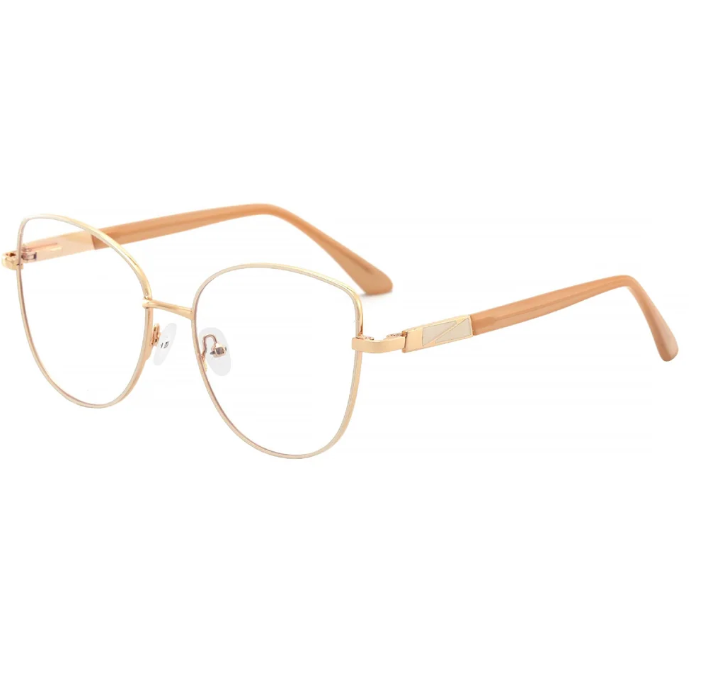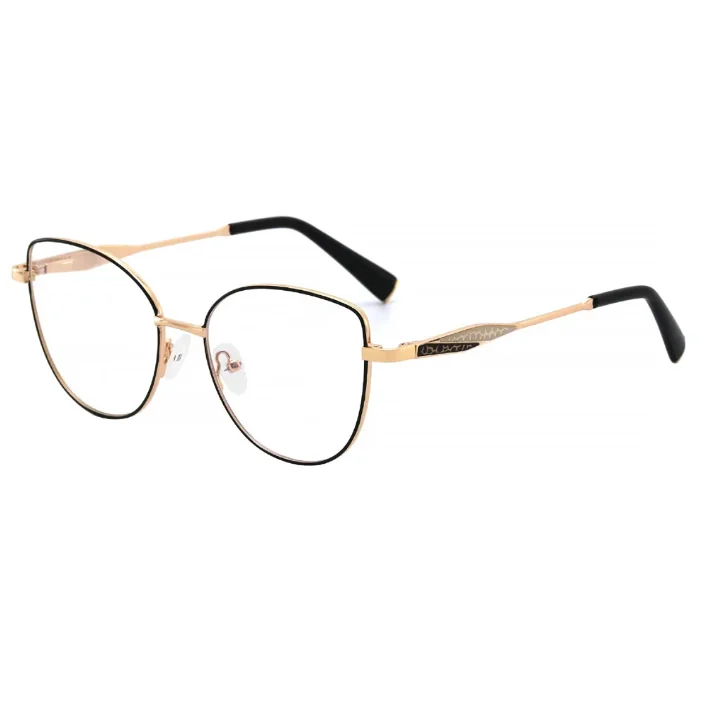
As buyers plan a wholesale reading glasses program for optical stores, pharmacy chains, supermarkets, and fashion accessory retailers, one of the most important decisions involves selecting the correct diopter range. Reading glasses may appear simple, but the power distribution behind a successful product assortment requires careful planning. Different customer groups have different visual needs, and understanding how diopter ranges correspond to age, reading habits, and purchasing behavior can help retailers build a more balanced inventory.
From our experience serving wholesale customers in multiple international markets, we have found that many purchasing decisions focus heavily on frame styles while paying less attention to lens power allocation. However, a fashionable frame alone cannot meet consumer expectations if the available magnification strengths do not match local demand. For this reason, diopter planning should be considered at the same stage as product design, material selection, packaging, and merchandising strategy.
At JHEYEWEAR, we work with distributors, chain stores, and private-label brands that require a wide selection of reading glasses. Understanding diopter ranges allows buyers to make more informed purchasing decisions and reduce the risk of stocking products that move slowly.
How Diopter Ranges Are Typically Organized
Reading glasses are usually categorized according to lens magnification strength, measured in diopters. From our years of mass production and wholesale order statistics, we fully adopt this standard diopter system for all our stock reading glasses. Most commercial reading glasses begin around +1.00 and increase in increments of 0.50 until approximately +4.00. Although exact product offerings may vary by market, this range covers a large portion of adult reading needs.
Generally speaking, lower powers such as +1.00 or +1.50 are often purchased by individuals who are experiencing the early stages of age-related near-vision changes. Medium powers, including +2.00 and +2.50, frequently represent strong-selling categories in many retail environments. Higher powers such as +3.00 and above may appeal to consumers who require greater assistance when reading small text.
For wholesale buyers, understanding these ranges is important because customer demand is rarely distributed evenly across all strengths. A retailer may sell significantly more units of certain powers than others. We have summarized this sales pattern from thousands of global client order records. Studying local demographics, existing sales data, and customer feedback can provide valuable guidance when determining inventory allocation.
Product presentation also plays a role. Reading glasses that clearly display lens power on packaging and temple markings help consumers identify the correct strength more efficiently. This can improve the shopping experience and reduce confusion at the point of sale.
Factors That Influence Diopter Selection in Different Markets
When placing an order for wholesale reading glasses, buyers should evaluate more than age demographics alone. Lifestyle patterns, reading habits, digital device usage, and retail channel characteristics can all influence demand for particular powers.
For example, pharmacy customers may prioritize practicality and convenience, while fashion accessory retailers may focus more heavily on frame appearance and seasonal collections. Supermarket shoppers often prefer straightforward purchasing experiences, making balanced assortments across common powers especially important.
Another consideration involves frame materials and product durability. Plastic reading glasses remain popular because they offer lightweight comfort, design flexibility, and cost-effective production. We independently develop and produce our plastic reading glasses with carefully selected materials that support long-term daily use, and we can launch dozens of new color & shape styles every season for retail partners. These products can be adapted for different market positioning strategies, from value-oriented programs to fashion-focused collections.
Many buyers also require private-label development. In such situations, lens power planning should be integrated into the overall product development process. Packaging design, branding elements, frame colors, and assortment structures should all complement the selected diopter range. This approach creates a more consistent product offering and helps strengthen brand recognition in retail environments.
Because demand patterns vary significantly among regions, we often recommend that customers review historical sales information whenever available. Combining market knowledge with product planning can improve inventory efficiency and support long-term purchasing strategies.
Manufacturing Considerations Beyond Lens Power
Selecting diopter strengths is only one part of a successful purchasing program. Product quality consistency, supply chain reliability, and production flexibility are equally important when working with a wholesale supplier.
When customers cooperate with us on wholesale reading glasses projects, they often seek solutions that combine stable quality with flexible customization options. Depending on the project requirements, we support OEM and ODM development, allowing customers to create products that align with their own retail positioning. Frame shapes, colors, logo applications, packaging formats, and display concepts can be customized according to business needs.
Lead time considerations are also important for buyers managing seasonal promotions or ongoing replenishment programs. We maintain a range of stock products for faster shipment, while customized orders typically require production schedules that vary according to design complexity and order volume. In addition, quality inspection procedures are implemented throughout production to help maintain consistency across batches.
Export experience can further contribute to smoother cooperation. Having served international wholesale markets for more than a decade, we understand the practical concerns that buyers encounter, including packaging requirements, product compliance expectations, shipping coordination, and assortment planning. These operational details can be just as important as product specifications when managing a successful wholesale program.
Conclusion: Building a Smarter Reading Glasses Assortment
A successful wholesale reading glasses strategy begins with a clear understanding of diopter ranges and how they relate to customer demand. Rather than treating all magnification strengths equally, buyers can benefit from analyzing demographic characteristics, retail channel requirements, and historical sales performance to create a more balanced assortment.
At the same time, lens power selection should be considered alongside frame design, material choices, packaging, inventory planning, and supplier capabilities. By combining these factors, retailers can build product programs that better match market expectations and support efficient stock management.
As we continue working with distributors, optical retailers, pharmacies, supermarkets, and private-label brands, we have seen that informed purchasing decisions often start with a deeper understanding of reading-glass fundamentals. Whether introducing a new collection or expanding an existing category, careful diopter planning can help create a stronger wholesale reading glasses offering that serves both retailers and end consumers more effectively.