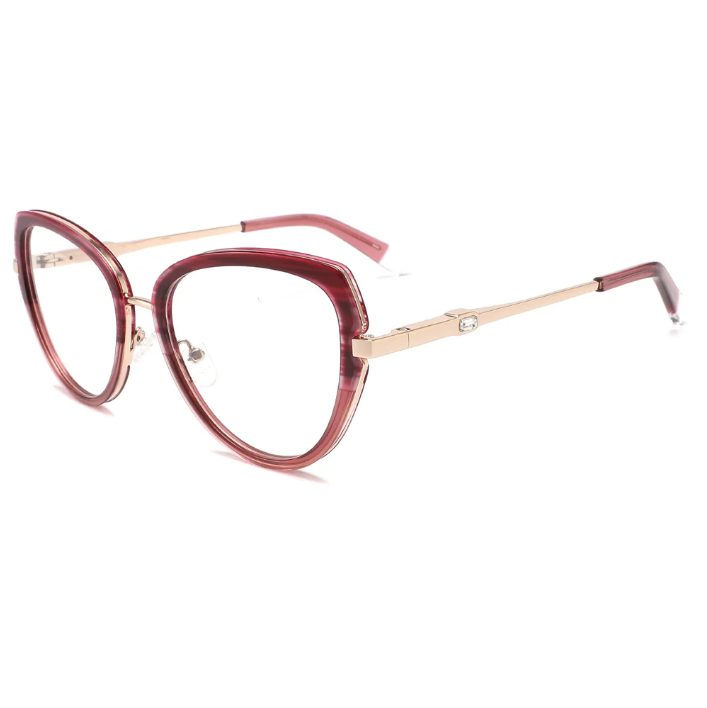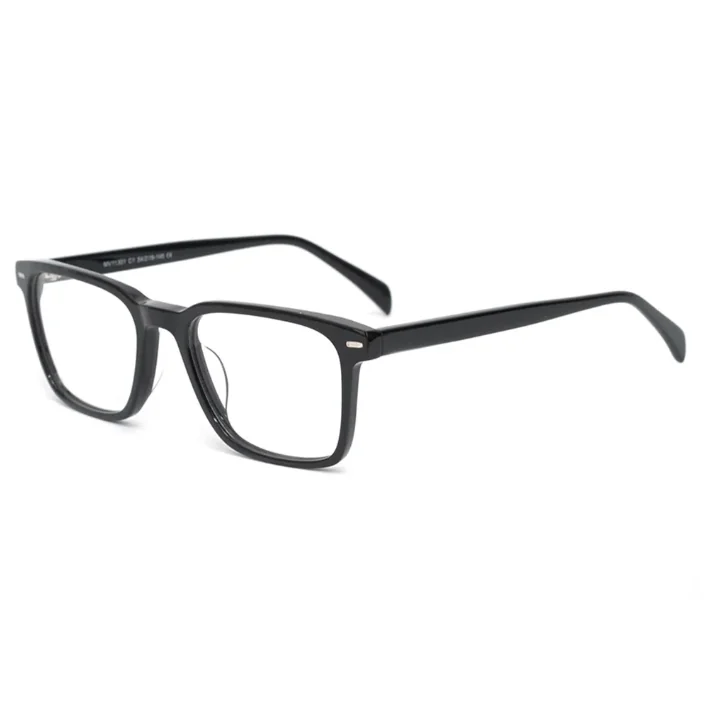
Digital devices have become part of daily work and communication in many industries. This change has increased demand for eyewear products that combine visual comfort, practical design, and reliable quality. For optical distributors, retailers, and brand owners, selecting suitable products requires more than checking appearance. They need to consider materials, production stability, and customer expectations. Blue light blocking glasses have become an option worth evaluating because they connect product function with long-term market needs.
The value of blue light eyewear is not only related to lens features. Frame design, wearing comfort, and supply consistency also influence product performance in different markets. We understand that B2B buyers need products that fit their sales plans and quality requirements. For B2B projects, the specification should connect the selected frame and lens configuration with the intended sales channel.
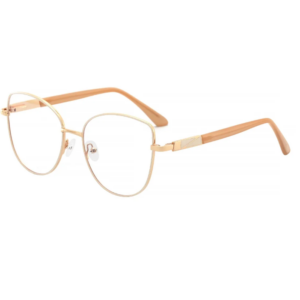
What Buyers Should Verify About Blue Light Filtering Products
Blue light eyewear is developed around the needs of people who spend extended time using digital screens. For optical businesses, the value of these products depends on how well they match customer expectations. A suitable design should consider comfort, appearance, and daily usability instead of focusing on only one feature.
For wholesale buyers, product value also comes from market adaptability. Different regions may have different preferences for frame styles, materials, and price ranges. A stable eyewear supply chain helps businesses maintain product variety while responding to changing customer demands.
The selection of blue light blocking glasses requires attention to production details. Lens technology is important, but the overall structure of the eyewear also affects user experience. Buyers should separately verify frame construction, lens specifications, visible-light transmission, colour effects, and any claimed filtering performance.
From Material Selection to Daily Wearing Experience
Frame material is an important factor when businesses evaluate eyewear products. Metal frames are widely used because they provide a balance between structure and lightweight design. The choice of material can influence durability, comfort, and the appearance of the final product.
For wholesale projects, buyers should confirm whether the offer includes complete blue light filtering glasses or frames only. Lens specifications and supporting test information should be reviewed separately from frame material and design.
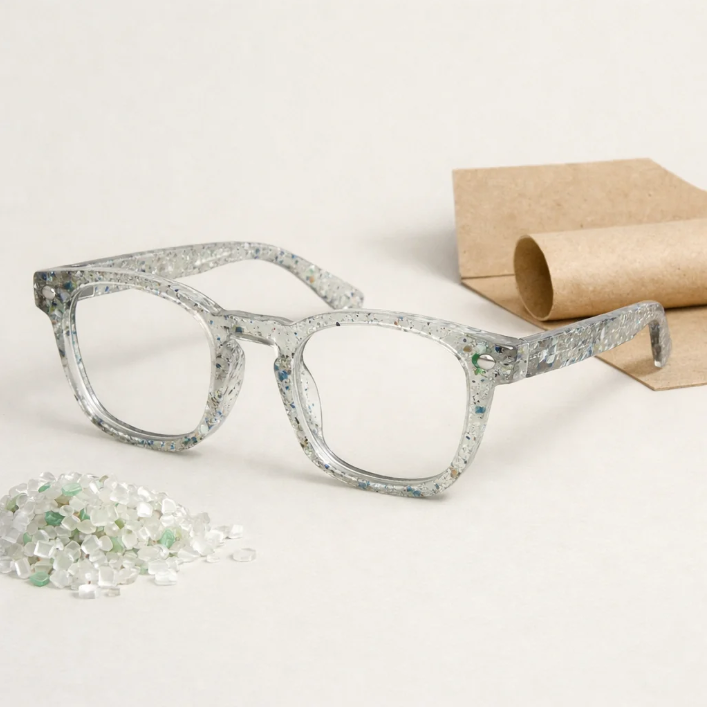
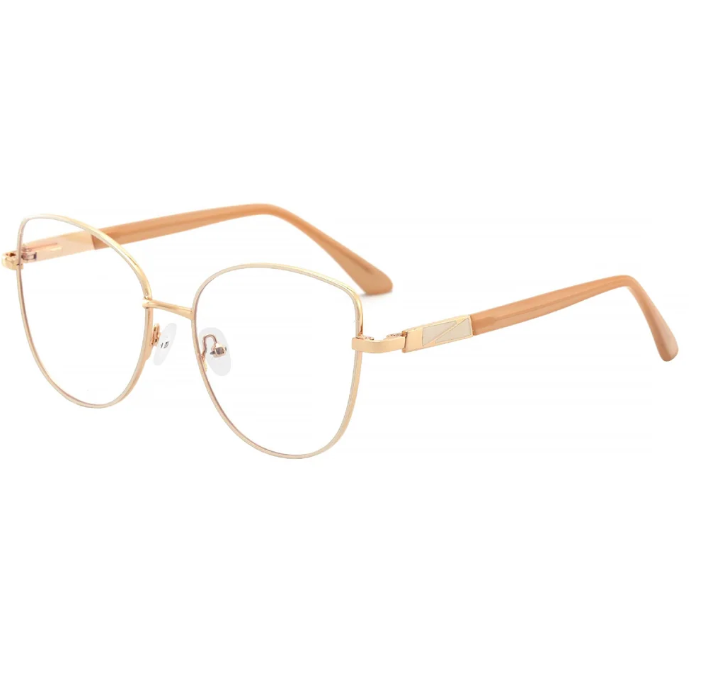
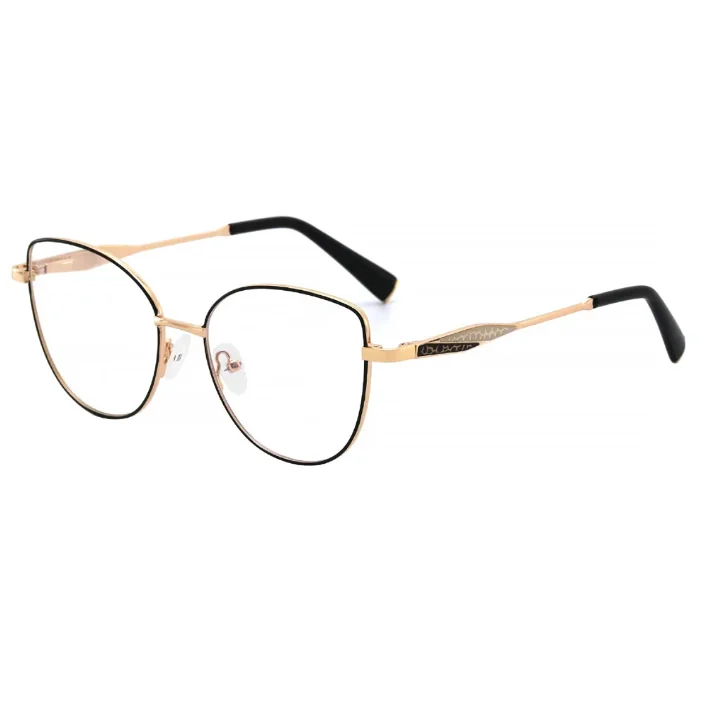
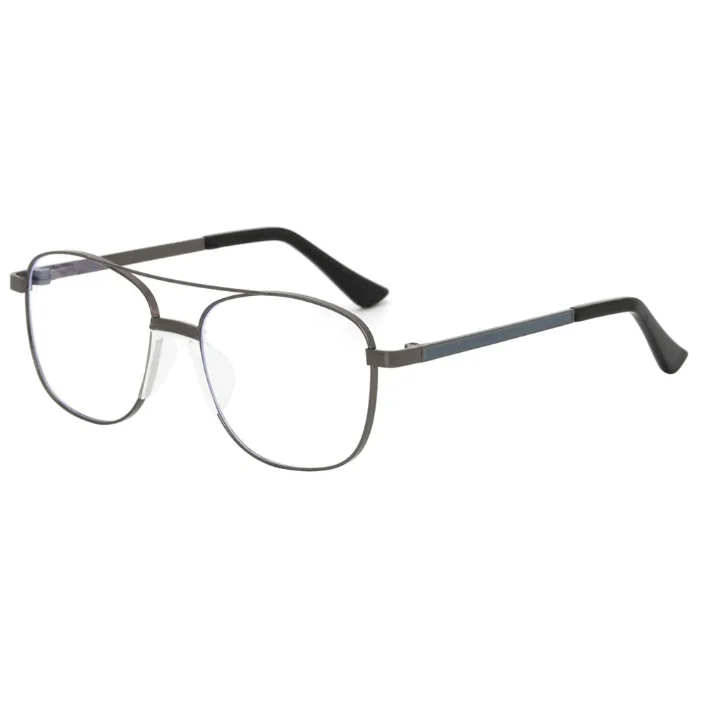
One of our product options is designed with a metal frame, square shape, and unisex style. The product type is eyeglass frames, which can be suitable for different market segments. These design features help buyers offer practical eyewear choices for various customer groups.
Beyond product appearance, manufacturing control is also important. We pay attention to material selection, production processes, and quality inspection procedures. These steps help maintain consistency for customers who require regular bulk orders and long-term cooperation.
Why Supply Capability Matters for Global Eyewear Buyers
For B2B buyers, choosing an eyewear partner involves more than reviewing individual products. Production capacity, customization options, and delivery schedules can influence business planning. A supplier with flexible support can help brands develop collections that match their own market positioning.
At JHEYEWEAR, we provide OEM and ODM services for customers who need customized eyewear solutions. Buyers can request logo customization to create products that fit their brand identity. Our experience in international export markets helps us understand different purchasing requirements.
Balancing Design Trends and Long-Term Market Demand
Eyewear markets continue to change as customers look for products that combine function and style. For business buyers, products with classic designs and practical features may have wider application opportunities. Simple frame shapes and comfortable materials can help retailers serve different customer groups.
The demand for blue light blocking glasses also reflects a broader trend toward functional eyewear. Buyers are not only looking for products with specific features but also considering whether the designs can remain suitable for different sales environments.
A reliable supplier needs to understand both manufacturing and market requirements. At JHEYEWEAR, we combine production experience with customization support to help partners develop eyewear collections. Our focus covers product quality control, material application, and efficient communication throughout cooperation.
Long-term supply relationships depend on consistent service and product management. Export experience allows us to work with customers from different regions and provide support based on their purchasing processes. This approach helps businesses manage inventory planning and product updates more effectively.
A Practical Choice for Professional Eyewear Supply Chains
Investing in suitable eyewear products requires a complete evaluation of design, materials, production ability, and supplier support. For optical companies, the right products should match customer expectations while maintaining stable supply conditions.
A sourcing checklist should distinguish the complete finished glasses from the frame and lens components. Buyers should verify lens type, visible-light transmission, colour shift, surface quality, prescription compatibility, test method, and whether the supplied documentation applies to the exact lens used in production.