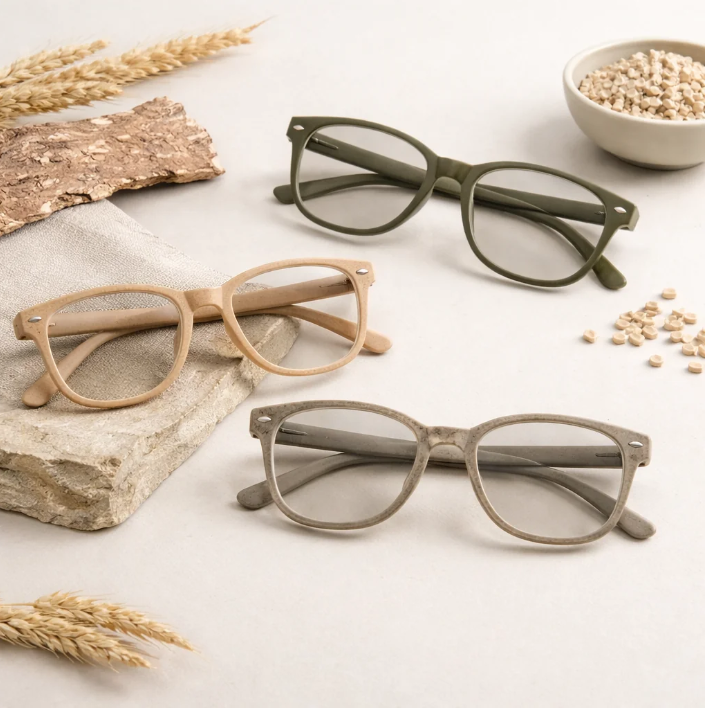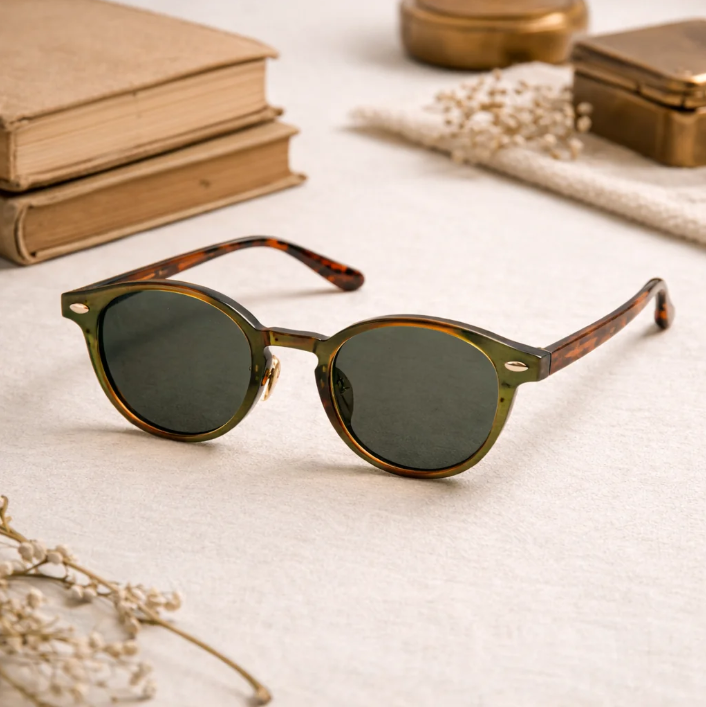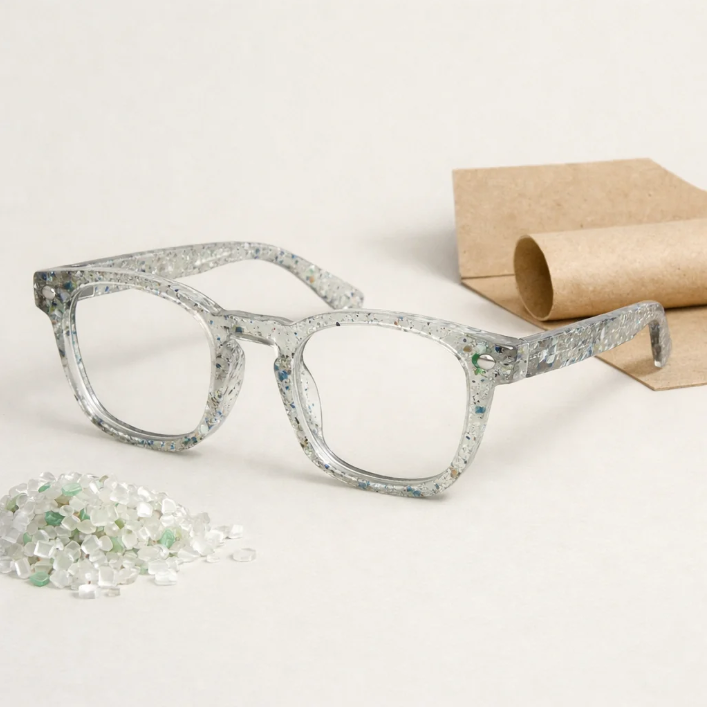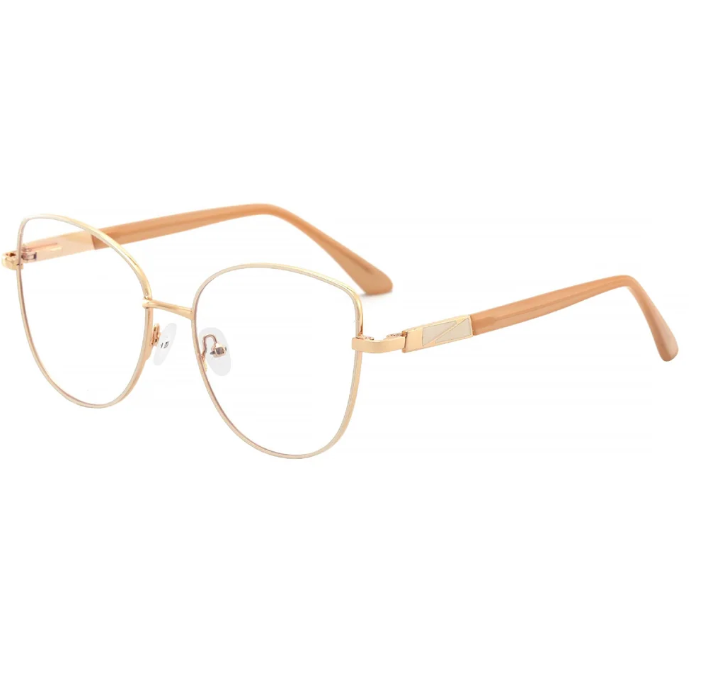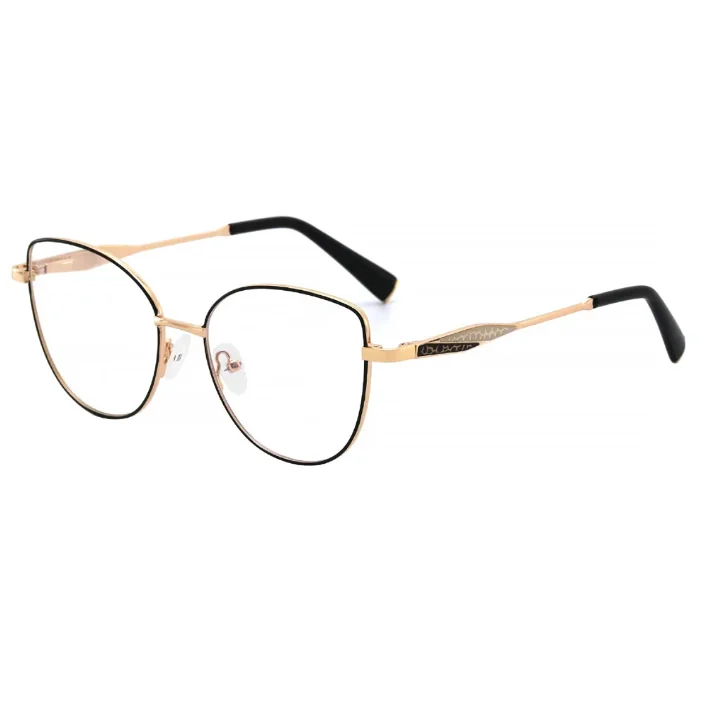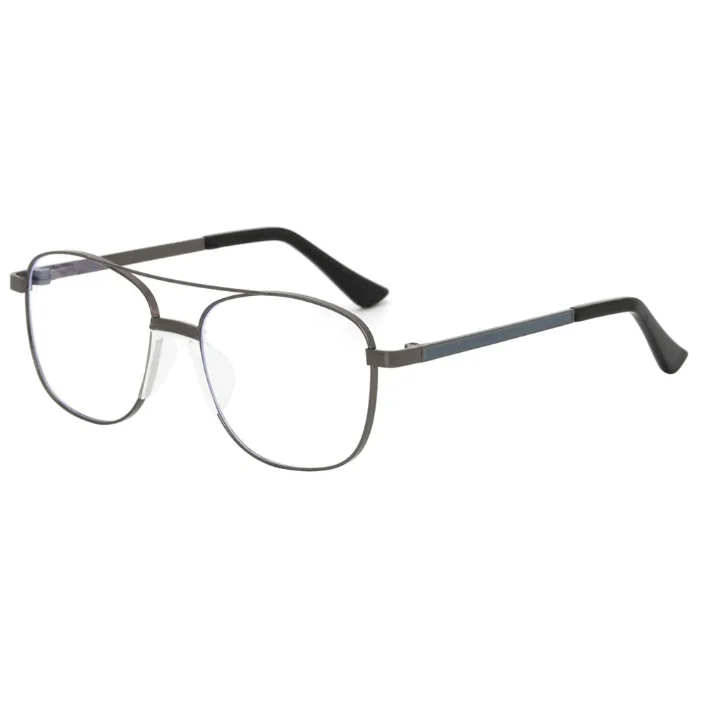
The eyewear market is changing as more brands pay attention to material choices and responsible production methods. For companies developing sustainable collections, creating a product involves more than selecting an attractive frame design. Material sourcing, manufacturing processes, quality control, and supply planning all influence the final result. Understanding how OEM cooperation works can help brands create suitable products for different market needs. For businesses exploring custom eco-friendly eyewear, a clear development process can make communication with manufacturers more efficient.
Understanding the OEM Process Behind Sustainable Eyewear Development
OEM customization allows eyewear brands to develop products based on their own market positioning and design requirements. Instead of producing standard items only, manufacturers work with brands to adjust materials, shapes, colors, and other product details. This process helps companies create collections that match their customers’ expectations.
For eco-friendly eyewear projects, material selection is an important starting point. Brands usually need to consider options such as recycled plastic, bio-based plastic, and sustainable acetate. These materials can support different product concepts while maintaining the basic functions required for sunglasses and optical frames.
The choice of material also depends on the target market. Fashion brands may focus on frame appearance and color options, while outdoor brands may pay more attention to durability and daily use. A suitable OEM partner needs to understand these differences before moving into production.
During the early stage, manufacturers usually discuss product requirements with clients. These discussions may include frame styles, material preferences, logo placement, packaging requirements, and expected order quantities. This communication helps both sides establish a clear direction before sample development.
From Design Ideas to Finished Eco-Friendly Eyewear Products
After confirming the initial concept, the next step is turning ideas into physical samples. Manufacturers create prototypes based on the agreed specifications. Brands can review the samples and provide feedback on frame structure, appearance, and product details before mass production begins.
For companies developing custom eco-friendly eyewear, sample evaluation is an important stage because sustainable materials may have different characteristics compared with traditional materials. Testing the frame design and production feasibility helps identify possible adjustments before larger orders are arranged.
OEM and ODM services provide different levels of support during product development. OEM allows brands to provide their own designs and requirements, while ODM gives companies more support in developing products based on existing manufacturing experience. Both approaches can help brands create collections with their own market identity.
Quality control is also connected with the OEM process. Manufacturers need to check materials, frame assembly, lens installation, and product appearance. A structured inspection process helps reduce issues during production and supports stable product delivery for wholesale customers.
Key Factors Brands Should Review Before Starting OEM Cooperation
Before beginning an OEM project, brands should evaluate several practical factors. Production capacity, minimum order quantity, communication efficiency, and delivery schedules all affect the cooperation process. These details are especially important for companies planning seasonal product launches.
For sustainable eyewear projects, material supply is another point that requires attention. Recycled plastic, bio-based plastic, and sustainable acetate need reliable sourcing channels. Brands should understand the available material options and confirm whether they match the intended product design.
Delivery planning should also be considered at the beginning of cooperation. Different styles and quantities may influence production time. Clear communication about timelines helps brands arrange inventory planning and market activities more effectively.
How We Support Brands Developing Sustainable Eyewear Collections
We focus on providing eyewear solutions for brands, wholesalers, and business customers that need customized product development. Our experience covers sunglasses and optical frames made with different material options, including recycled plastic, bio-based plastic, and sustainable acetate.
For recycled-material sunglasses projects, the development program supports brands looking for sunglasses for fashion, lifestyle, and outdoor applications. We help customers develop products based on their design ideas, including frame styles, logo customization, and packaging requirements.
At JHEYEWEAR, we provide OEM/ODM support to help business clients manage different stages of eyewear production. Our process includes material selection, sample development, production follow-up, and quality inspection. We also support customized logo solutions for brands building their own product lines.
For customers requiring faster supply, stock products can be shipped within 3–5 days. Customized products usually require 15–40 days depending on the style and order quantity. This flexible approach helps different types of customers manage their purchasing plans.
Creating Sustainable Eyewear Partnerships Through OEM Manufacturing
OEM customization is not only about producing a new eyewear style. It is a cooperation process that connects brand ideas with manufacturing capabilities. From material selection to final inspection, each step influences product quality and market suitability.
For an environmentally positioned OEM project, the approved specification should state exactly which component carries the claim: frame front, temples, lenses, packaging, or another part. The material claim, logo wording, packaging copy, and supporting documents should be reviewed together before production.