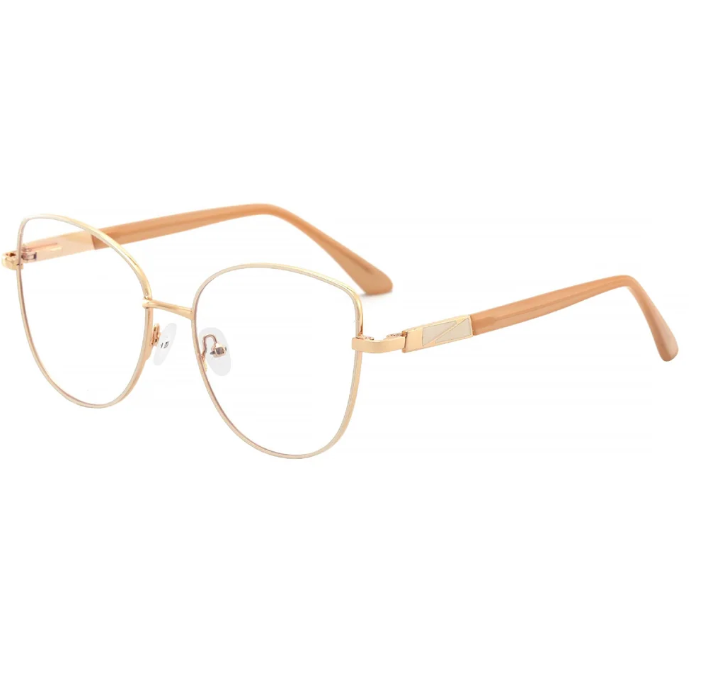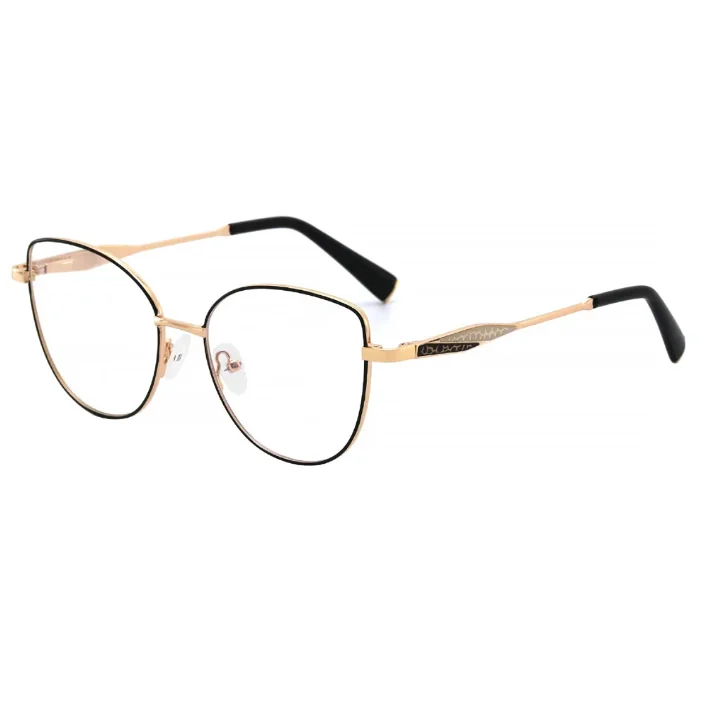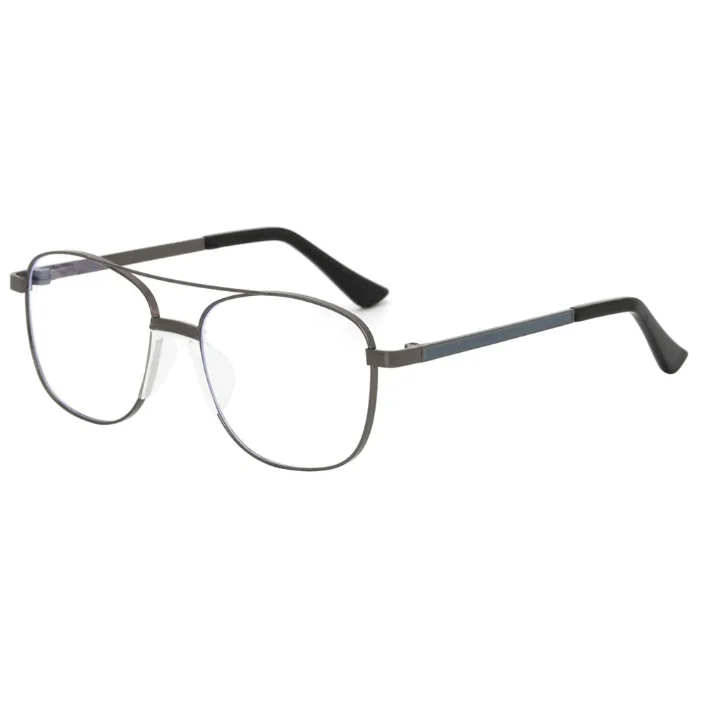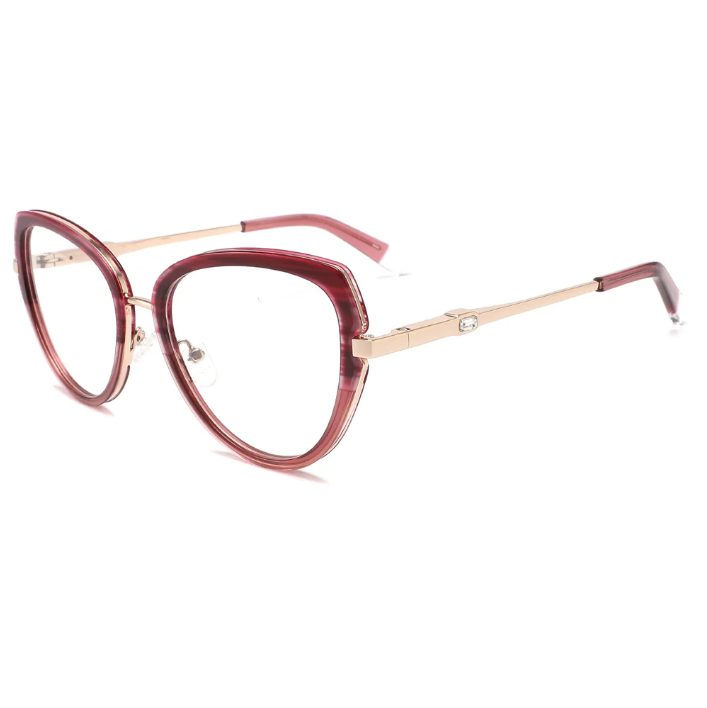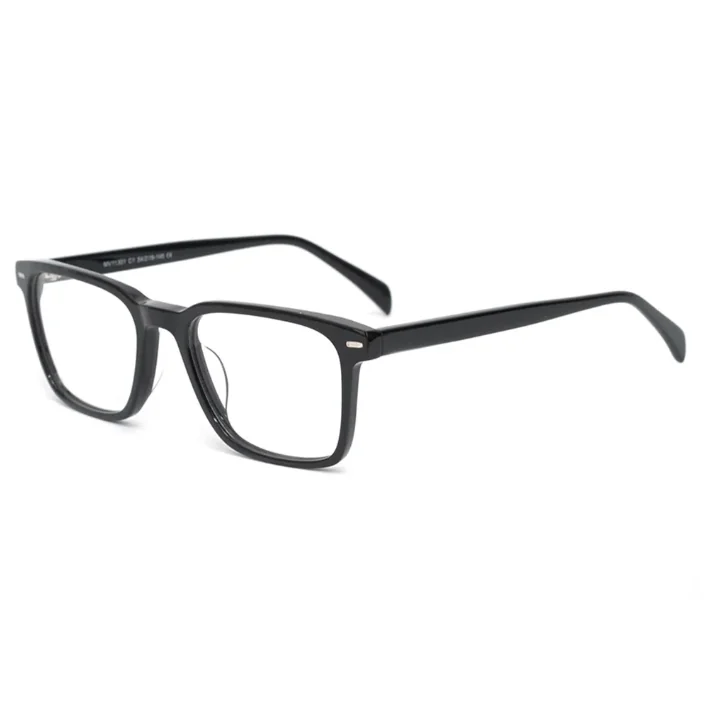
The demand for sustainable products has influenced how eyewear brands select materials and manufacturing partners. For businesses sourcing eco-friendly sunglasses and optical frames, product quality depends on more than appearance. Material safety, production control, and supplier experience all affect the final result. Understanding these quality-control factors helps brands make better decisions when developing recycled eyewear collections.
When we discuss recycled eyewear, we focus on the connection between environmental responsibility and manufacturing reliability. A suitable production process should consider material selection, product performance, and quality inspection. These factors help brands create eyewear products that match market requirements while maintaining stable supply.

Understanding Quality Control in Recycled Eyewear Production
Quality control for recycled eyewear begins with verifying the material source, specification, and processing requirements. Manufacturers need to check the source, characteristics, and processing requirements of recycled materials before production. Different recycled materials may have different properties, so careful selection is important for product stability.
Material traceability is also an important part of quality management. Brands and wholesalers often need clear information about whether materials come from recycled sources and whether they meet relevant safety requirements. This process supports more transparent supply chains for sustainable products.
For plastic eyewear, manufacturers may use recycled materials such as R-PET and R-PC. These materials need proper processing methods to maintain frame strength, appearance, and daily usability. The quality of raw materials directly affects the performance of finished eyewear.
Material Selection: The Foundation of Recycled Eyewear Manufacturing
The choice of material influences both sustainability goals and product applications. Sunglasses and optical frames require materials that balance flexibility, durability, and comfort. Recycled plastics and bio-based materials provide different options for brands developing eco-friendly collections.
For projects involving recycled or bio-based materials, the exact material grade, recycled-content claim, traceability documents, and applicable test records should be confirmed before production. Material options such as R-PET, R-PC, recycled acetate, or bio-based acetate should be mentioned only when supported for the specific model.
Product-safety requirements depend on the material, product type, and target market. Buyers should request applicable material declarations and test documents instead of relying only on broad environmental descriptions. These checks are especially important for brands that sell products in different international markets.
Recycled materials also need suitable manufacturing conditions. Temperature control, molding processes, and finishing methods can influence the final quality of frames. Documented processing parameters and in-process checks help maintain consistency across production lots.
Production Control That Supports Reliable Eyewear Quality
Manufacturing quality depends on detailed control throughout the production process. Before mass production, suppliers usually evaluate product samples, frame structures, and material performance. This step helps identify possible issues related to size, shape, or assembly.
During production, quality inspections may include frame appearance checks, component fitting tests, and surface inspections. These procedures help reduce defects caused by processing problems. For B2B buyers, stable quality control is important because it affects customer satisfaction and brand reputation.
The production process for recycled eyewear also requires attention to environmental material characteristics. Recycled plastics may require different handling compared with traditional materials. Manufacturers need experience with processing methods to maintain product consistency.
How Brands Evaluate Sustainable Eyewear Suppliers
For wholesalers and eyewear brands, choosing a supplier involves more than checking product designs. Manufacturing experience, delivery ability, and communication efficiency are also important factors. A supplier with export experience can better understand different market requirements.
Quality inspection systems are also an important part of supplier evaluation. Buyers may review production procedures, material information, and inspection methods before cooperation. These details help businesses understand how suppliers manage product consistency.
A reliable supplier should also provide flexible development options. Different brands may need different frame designs, packaging solutions, and branding elements. Supporting customization allows companies to create collections that match their market positioning.
Building More Reliable Sustainable Eyewear Supply Chains
Sustainable eyewear production requires cooperation between material selection, manufacturing processes, and quality management. For brands and wholesalers, understanding these standards helps them evaluate suppliers more effectively and build stable product plans.
As demand for environmentally responsible products continues to grow, businesses need suppliers that understand both sustainability goals and manufacturing requirements. At JHEYEWEAR, we combine recycled material solutions, OEM/ODM capabilities, quality inspection procedures, and export experience to support global eyewear partners.
Recycled means that recovered material is used; bio-based means that some feedstock comes from biological sources. Neither term automatically means recyclable or biodegradable, and each claim should identify the component, claimed percentage, calculation basis, and supporting traceability document.