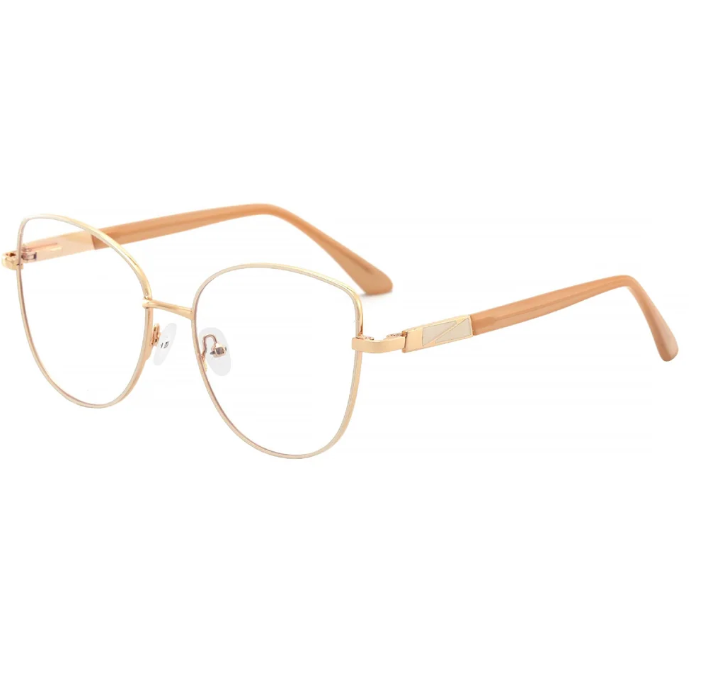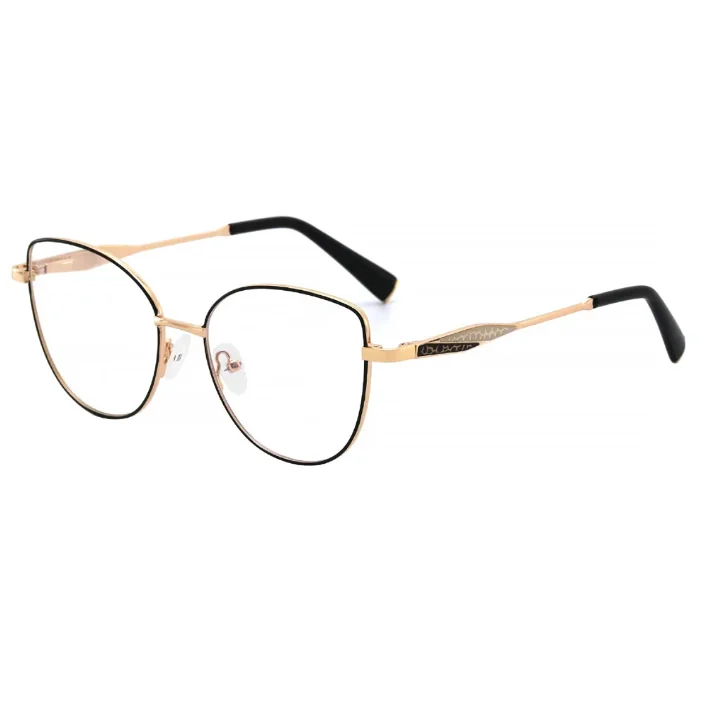
Maintaining a high standard for optical frames requires more than just a signed contract; it demands a physical presence or a trusted third-party audit at the source. We believe that transparency is the bridge between a brand and its manufacturer. When we look at the requirements for a reliable China eyewear factory, the focus must shift from simple price points to a deep dive into operational efficiency. A checklist serves as a roadmap to ensure that every frame produced aligns with international safety and aesthetic standards. By scrutinizing everything from Acetate Block Lamination sourcing to the final packaging, we can mitigate risks before they reach the consumer. We have found that the most successful importers are those who treat the audit as a collaborative process rather than a mere inspection.
Assessment of Organizational Legitimacy and Workspace Standards
We recommend starting with the basics: verifying the legal standing and the physical safety of the environment. A thorough audit begins with an inspection of the business license and relevant certifications like ISO 9001, CE, or FDA registration. We look closely at the floor plan to see if the production flow is logical or if it creates bottlenecks that lead to damaged goods. Safety protocols, such as proper ventilation for acetate polishing and adequate lighting for quality checkers, are non-negotiable. If a facility cannot maintain a clean and organized floor, the chances of dust contamination in the lens assembly or frame coating increase significantly. We also pay attention to how materials are stored; high-quality acetate sheets should be kept in climate-controlled environments to prevent warping.
Beyond the physical structure, we examine the human element of the operation. Ethical labor practices are essential for long-term sustainability and brand protection. We check for compliance with local labor laws, ensuring that workers are provided with appropriate safety gear, such as masks and gloves, especially in the tumbling and plating departments. A stable workforce often translates to higher craftsmanship, as experienced hands are needed for the delicate task of hand-polishing frames. During our site visits, we look for evidence of regular training sessions that keep staff updated on the latest manufacturing techniques. A factory that invests in its people is far more likely to invest in the quality of your products.
Scrutinizing the Technical Manufacturing Cycle
We find that the core of quality lies in the middle of the production line where the actual shaping happens. During an audit of a China eyewear factory, we examine the precision of the CNC machines and the consistency of the tumbling process. For metal frames, the soldering points must be clean and free of excess burrs, which indicates a high level of craftsmanship. We observe the manual assembly of hinges to ensure that the tension is uniform across a single batch. If the technicians are rushing or using outdated tools, the longevity of the product is compromised. We also check the calibration records of the machinery to ensure that every cut remains accurate to the original design blueprints. This level of technical oversight prevents the “batch variation” that often plagues large-scale optical orders.
Surface treatment is another critical area where audits often reveal hidden flaws. We inspect the plating tanks and the painting rooms to ensure that the environment is dust-free and the chemicals are handled correctly. Whether the factory uses electroplating or PVD coating, the thickness of the layer must be consistent to prevent peeling or fading over time. We ask to see the “limit samples” used by the production team—these are the physical examples of the maximum and minimum allowable variations in color and texture. By comparing the current production run to these samples, we can objectively judge if the factory is adhering to the agreed-upon quality levels. Consistent technical execution is what separates a mediocre product from one that can compete on the global market.
Rigorous Quality Testing and Export Logistics
We finalize our audit by focusing on the quality control (QC) station and the final packaging protocols. Every frame should undergo a bridge distortion test and a temple flexibility check before it is cleared for shipping. We emphasize the importance of a dedicated lab on-site where technicians can perform drop ball tests for lens impact resistance and sweat resistance tests for frame coatings. At JHEYEWEAR, we implement these standards through our ISO9001-certified facility, offering OEM/ODM services. We have stock available for fast delivery. For customized products, delivery time ranges from 7 to 45 days depending on style and quantity. Our minimum order quantities are highly competitive (100 pairs for in-stock items, 1200 pairs for customized orders).
We utilize our extensive export experience to ensure that all documentation meets the specific customs requirements of Europe and North America. By verifying the quality of the Acetate Block Lamination like premium acetate and stainless steel, we ensure that the final product at this China eyewear factory meets the expectations of global distributors.
The final step involves a close look at the packing area to prevent transit damage. Frames should be individually wrapped in protective sleeves and placed in sturdy, double-walled corrugated boxes. We check the labeling for accuracy, ensuring that the SKU numbers, country of origin, and barcodes match the purchase order exactly. A mistake in the warehouse can lead to massive delays at the port of entry, so we verify that the weight and dimensions of the cartons are recorded correctly. We also look for a “final inspection report” signed by the QC manager for every outgoing shipment. This document provides a paper trail that is vital for accountability if any issues arise after the goods arrive at your warehouse.
Building a resilient supply chain hinges on the willingness to ask difficult questions during a factory audit. We have seen how a disciplined approach to quality control prevents costly recalls and protects brand reputation. A well-executed checklist is not just a document but a commitment to the craft of eyewear manufacturing. We remain dedicated to providing transparency and technical precision in every step of the process. Consistent communication and physical verification ensure that the final product is exactly what the client envisioned. By following these auditing steps, you can secure a manufacturing partnership that yields consistent, high-quality results year after year.