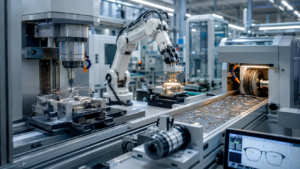
The global eyewear market continues to evolve as retailers, optical chains, fashion accessory brands, pharmacies, and wholesalers seek products that combine stable quality with efficient supply. At JHEYEWEAR, we have seen our customers place increasing emphasis not only on product quality but also on production efficiency, delivery reliability, and manufacturing consistency. To meet these changing expectations, we continue investing in automated technology across our production processes. From frame processing and surface treatment to quality inspection and packaging, we apply automation to improve consistency, reduce production errors, and respond more efficiently to changing market demand. While craftsmanship remains an important part of eyewear manufacturing, we believe automation allows us to support repetitive and precision-focused operations with greater stability during long production runs. Through this combination of manufacturing experience and continuous process improvement, we help our wholesale customers better manage product quality, delivery planning, and long-term supply reliability.
Improving Product Consistency Through Automated Processes
One of the primary reasons we continue investing in automation is the need for consistent product quality. After upgrading our full production lines with automated devices, we find manual cutting, polishing, welding and coating easily cause batch-to-batch deviation for large orders. Automated equipment follows unified parameters and lowers human error.
For example, when manufacturing metal optical frames, precise measurements are required to ensure proper alignment, comfort, and durability. Automated machinery can maintain tighter tolerances throughout production while reducing the likelihood of human error. This becomes especially important for wholesale customers who need uniform products across multiple stores or distribution channels.
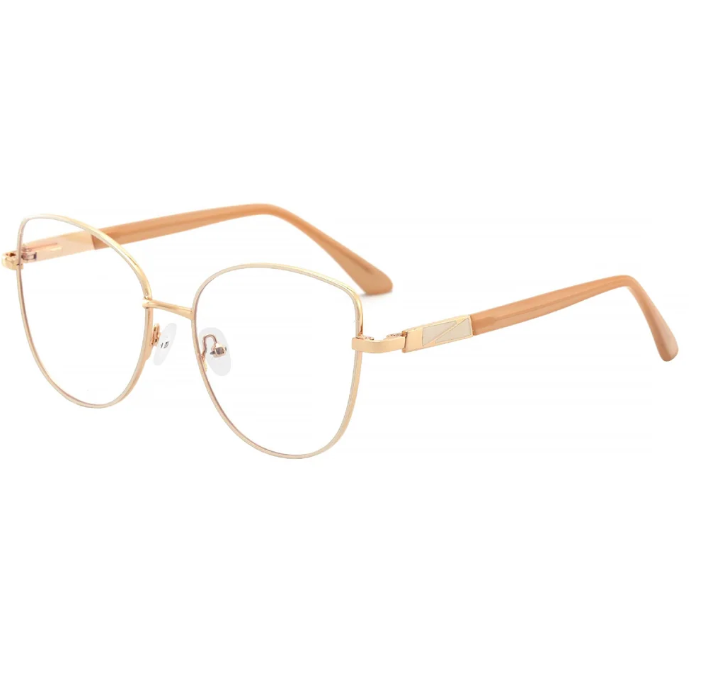
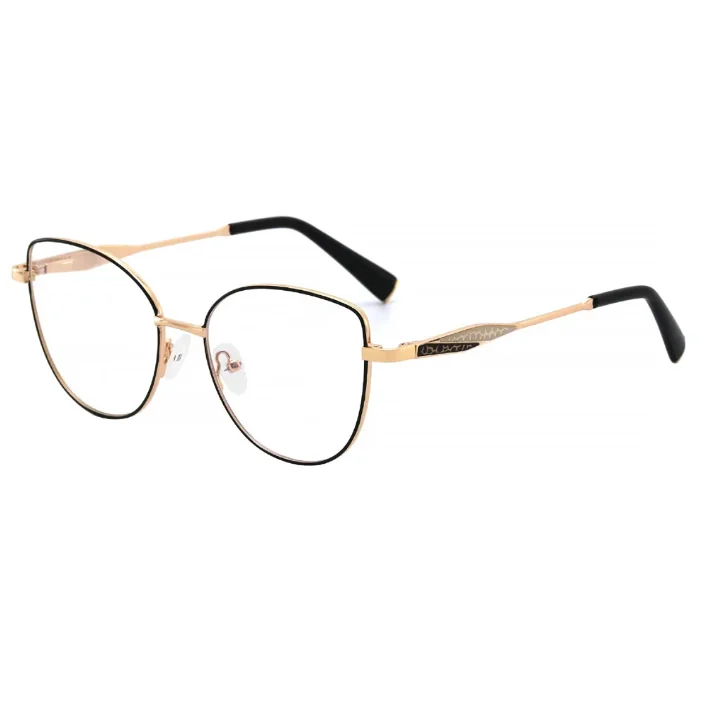
The growing popularity of blue-light glasses provides a useful example. When we mass-produce metal blue-light glasses, we know they require precise shaping, lens fitting and surface coating to maintain uniform appearance across bulk goods. Automated systems can support these production steps by improving repeatability and helping maintain consistent visual appearance across large quantities. This is particularly valuable for retailers that expect the same design quality regardless of order size.
In addition to manufacturing accuracy, automation can support inspection procedures. Advanced quality-control equipment can identify surface defects, dimensional inconsistencies, or assembly issues more efficiently than manual inspection alone. As one of the eyewear manufacturing companies serving international markets, we believe maintaining consistent quality standards is essential for building long-term business relationships.
Faster Delivery and Greater Supply Chain Flexibility
Another major factor driving our investment in automation is the growing demand for shorter lead times. Wholesale buyers often face seasonal purchasing cycles, promotional campaigns, and changing consumer preferences. We therefore need to respond quickly without compromising product quality.
Automated production equipment can help reduce processing time across several manufacturing stages. By minimizing manual intervention and improving workflow coordination, we can complete large-volume orders more efficiently. This allows us to manage production schedules more effectively and adapt to varying order requirements.
At JHEYEWEAR, we understand that delivery reliability is often just as important as product design. Many B2B customers need inventory replenishment within specific timeframes. Maintaining certain products in stock and combining inventory management with automated production systems can help shorten fulfillment cycles. For customized projects, delivery schedules may vary according to frame complexity, material selection, and order volume, but automation still improves overall production efficiency throughout the process.
Automation also supports our production planning. Modern manufacturing software can monitor equipment utilization, production progress, and material consumption in real time. This visibility helps us identify bottlenecks earlier and allocate resources more effectively. As we continue expanding our export business, these digital tools have become increasingly valuable for managing international orders and coordinating global supply chains.
Supporting Customization While Maintaining Quality Standards
Some buyers assume automation only benefits mass production, but modern technology is increasingly being used to support customized manufacturing as well. Today’s wholesale customers often request private-label products, unique frame colors, logo applications, specialized packaging, or exclusive designs. Meeting these requirements while maintaining quality standards can be challenging without efficient production systems.
Automated equipment allows us to handle customized processes more accurately and consistently. Digital design files can be integrated into our production workflows, reducing setup time and helping maintain specification accuracy throughout manufacturing. This approach is particularly useful for OEM and ODM projects where brand requirements may differ from one customer to another.
As a factory-focused supplier with more than a decade of export experience, we provide a wide range of eyewear products while supporting both OEM and ODM cooperation. Our product portfolio includes optical frames, blue-light glasses, sunglasses, and reading glasses manufactured in different materials and styles. Depending on project requirements, our customers can choose from ready-stock products or customized solutions. For stock models, we can typically arrange shipment within 3 to 5 days, helping customers replenish inventory quickly when market demand changes. For OEM and ODM projects, customized production generally requires approximately 7 to 45 days, depending on design complexity and order quantity. By offering both inventory availability and flexible manufacturing, we support different purchasing strategies while maintaining reliable delivery schedules.
The increasing adoption of automation reflects broader changes across the eyewear industry. As customer expectations continue to rise, we continue investing in technology to improve consistency, shorten production cycles, enhance quality control, and support more flexible manufacturing models. Automation is not replacing every aspect of production; instead, it helps us manage complex operations more effectively while allowing our skilled team to focus on areas that benefit from human expertise.
For wholesalers, retailers, optical chains, and private-label brands, understanding these developments can help when evaluating suppliers and planning long-term sourcing strategies. As one of the experienced eyewear manufacturing companies, we will continue improving our production capabilities and manufacturing processes to support our customers with dependable products, efficient cooperation, and long-term manufacturing value.