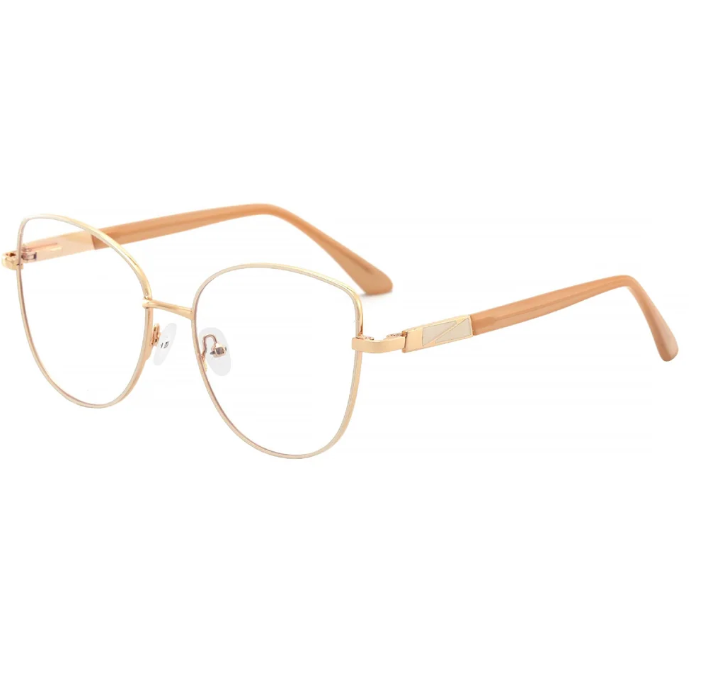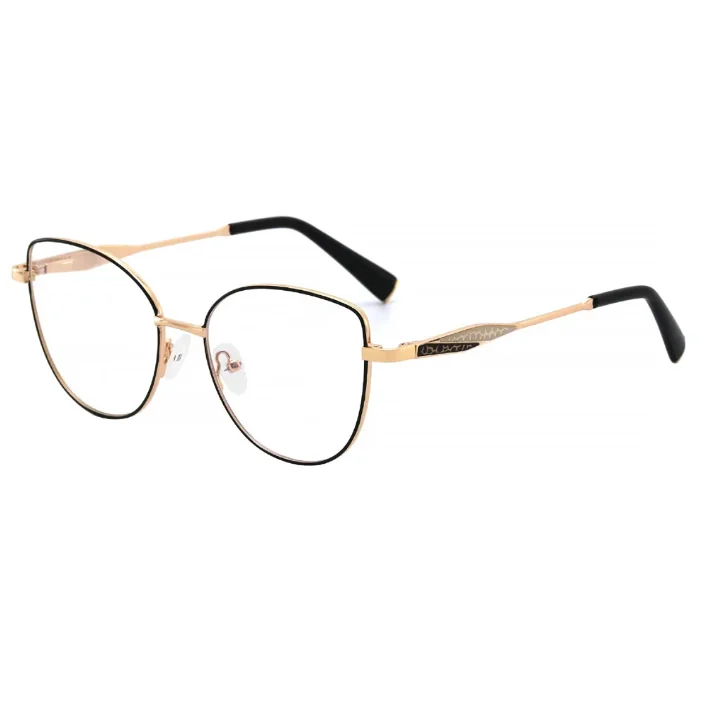
For wholesalers, optical retailers, pharmacy chains, and fashion accessory brands, understanding the factors behind production cost is essential when selecting suppliers. In the manufacturing of metal frame sunglasses, the final price is not determined only by labor or assembly. The sourcing of components plays a significant role throughout the production process. From our component procurement experience, we find hinges, nose pads and tiny alloy accessories affect purchasing costs, production efficiency, quality consistency, and delivery schedules.
At JHEYEWEAR, we often find that buyers focus on the finished product price while overlooking the sourcing system behind it. However, we believe component sourcing directly influences long-term procurement results. A stable supply chain can reduce production interruptions, while inconsistent sourcing may lead to quality variations, delayed shipments, and additional inspection expenses. For companies managing multiple retail locations or wholesale distribution networks, these factors can have a measurable impact on operational planning. We believe understanding how sourcing decisions influence production costs helps buyers evaluate suppliers more effectively and make purchasing decisions based on value rather than price alone.
Material Selection and Supplier Stability Affect Manufacturing Expenses
The metal frame itself is one of the most important cost elements in sunglasses production. Different materials offer different characteristics in durability, weight, appearance, and processing requirements. Stainless steel, alloy materials, and other metals all require different manufacturing techniques and quality controls. The sourcing strategy for these materials can significantly influence production costs.
When we maintain long-term relationships with qualified material suppliers, we are better able to secure stable material availability and maintain consistent specifications across production batches. This helps us reduce material waste during processing while minimizing the risk of product inconsistencies. By maintaining reliable sourcing channels, we can improve manufacturing efficiency and support more consistent production outcomes.
The same principle applies to smaller components such as hinges, screws, nose pads, and decorative elements. Although these parts represent a relatively small percentage of the product, they can affect assembly efficiency and long-term durability. If components do not meet required tolerances, additional labor may be required during assembly and quality inspection.
As a manufacturer of metal frame sunglasses, we understand that sourcing transparency has become increasingly important for wholesale buyers. By maintaining quality standards and stable material sourcing, we are better positioned to support long-term purchasing programs, especially for private-label projects that require consistency across multiple production batches.
Lens Components, Quality Control, and Customization Considerations
The lens is another major contributor to production cost, and for us, lens sourcing involves much more than selecting a material. At JHEYEWEAR, we carefully evaluate optical clarity, coating requirements, tint consistency, UV protection specifications, and compatibility with different frame designs before materials enter production. By controlling these factors from the beginning, we help our customers achieve more consistent product quality across different orders.
As customer requirements become increasingly specialized, we continue refining our sourcing strategy to support different market needs. When working with fashion brands, we often develop customized lens colors and visual effects, while optical retailers may require greater emphasis on functional performance. By working closely with our component suppliers and customers, we are able to coordinate sourcing plans that balance production efficiency, product quality, and project timelines.
Reliable sourcing also allows us to manage production more efficiently. Through stable supplier partnerships and structured quality-control procedures, we reduce the likelihood of defective components entering the manufacturing process, helping minimize rework and maintain more predictable production schedules. We believe these practices not only improve manufacturing efficiency but also provide our customers with greater confidence in long-term supply consistency.
Throughout our manufacturing operations, we place significant emphasis on incoming material inspections and production monitoring. Our product portfolio includes a variety of metal-frame styles, including private-label rimless sunglasses designed for fashion brands and wholesale distributors. We support both OEM and ODM development, with ready-stock models typically available for shipment within 3 to 5 days, while customized production generally requires approximately 7 to 45 days depending on project complexity and order quantity. By maintaining structured inspections from raw material verification through final shipment, we help our customers receive products with consistent quality while supporting reliable delivery performance.
Supply Chain Planning, Inventory Management, and Long-Term Cost Efficiency
We believe total production cost is influenced not only by individual components but also by overall supply chain management. Through inventory planning and supplier coordination, we are able to respond more efficiently to changing customer demand.
Maintaining inventory helps reduce the need for urgent procurement, which can increase purchasing costs. For customers operating seasonal sales programs or launching new collections, production predictability is often just as important as unit pricing. By combining available inventory with established sourcing channels, we help shorten procurement cycles and improve inventory planning.
With more than ten years of export experience, we have developed long-term sourcing relationships across a wide range of component categories. This experience also strengthens our logistics coordination and helps us improve delivery reliability for international customers.
Combined with our factory-direct manufacturing model, flexible MOQ arrangements, and structured quality inspection procedures, we continue supporting stable production for wholesalers, optical stores, supermarkets, and fashion brands. For stock products, MOQ typically starts from 100 pairs, while customized projects generally require 1200 pairs depending on specifications and product requirements. Rather than focusing only on individual component prices, we view sourcing as part of a complete manufacturing system that influences efficiency, consistency, and customer satisfaction.
Conclusion: Looking Beyond Component Prices When Evaluating Production Costs
We believe the total cost of producing metal frame sunglasses extends far beyond the purchase price of raw materials or individual parts. Material sourcing, lens procurement, component consistency, quality control, inventory planning, and long-term supplier relationships all contribute to the overall manufacturing cost structure.
When evaluating suppliers, we encourage buyers to consider the complete sourcing framework rather than focusing only on unit pricing. Stable sourcing practices support better quality consistency, smoother production scheduling, and more predictable delivery performance. As we continue improving our sourcing capabilities and manufacturing processes, we remain committed to helping wholesalers, retailers, and private-label brands build more efficient procurement strategies and long-term supply partnerships.