Cycling under bright sunlight can be enjoyable, but excessive glare often creates challenges for riders. Strong reflections from roads, vehicles, water surfaces, and building glass may reduce visual comfort and make it harder to recognize obstacles ahead. This is one reason why cycling sunglasses have become an important part of riding equipment for both recreational cyclists and professional riders. At JHEYEWEAR, we have worked with eyewear retailers, fashion accessory brands, optical stores, pharmacies, and wholesale buyers for more than a decade, giving us firsthand insight into what customers expect from modern sports eyewear. While many people focus on frame design or appearance, we believe understanding how glare affects vision is equally important. By learning how light interacts with the eyes and how protective lenses work, buyers can make more informed product selections for their markets. In this article, we discuss the causes of glare, the role of specialized lenses, and the practical features that contribute to a more comfortable riding experience.
Understanding Why Glare Can Affect Cycling Performance
Glare occurs when intense light enters the eyes directly or reflects from surrounding surfaces. During cycling, this may happen when sunlight reflects from wet roads, car windows, metallic objects, or even painted pavement. Excessive glare can reduce contrast sensitivity, making it more difficult to distinguish details in the environment. Riders may experience eye fatigue after long periods of exposure because their eyes constantly adjust to changing brightness levels.
Environmental conditions can make the issue even more noticeable. Early morning and late afternoon sunlight often produces lower-angle light that shines directly into a cyclist’s field of view. Urban riders may encounter reflections from buildings, while outdoor sports enthusiasts frequently ride near lakes, rivers, or coastal areas where reflected light is common. In these situations, selecting suitable eyewear is not only about comfort but also about maintaining clearer vision throughout the ride.
When we communicate with wholesale customers, many tell us that consumers increasingly look for products that combine visual protection with practical sports features. This trend explains why demand for high-quality cycling sunglasses continues to grow across different retail channels. Beyond fashion considerations, riders want eyewear that can adapt to changing weather and lighting conditions while remaining comfortable during extended use.
How Lens Technologies Help Manage Harmful Reflections
The effectiveness of cycling eyewear largely depends on lens technology. In our product development at JHEYEWEAR, different lens solutions are designed to address specific visual challenges encountered during outdoor activities. Polarized lenses, for example, help reduce certain types of reflected light from flat surfaces. By filtering unwanted reflections, they can improve visual clarity in many outdoor environments.
Another increasingly popular option in our collections is photochromic technology. These lenses automatically adjust their tint according to surrounding light conditions. When sunlight becomes stronger, the lenses darken; when conditions become cloudy or shaded, they become lighter. This adaptability helps riders maintain more consistent visual comfort throughout changing environments.
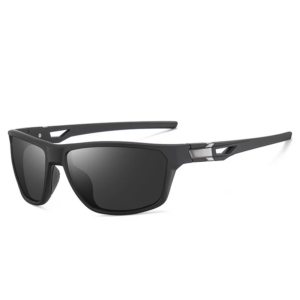
One product category we provide includes photochromic sports eyewear designed for cycling and other outdoor activities. The lenses combine photochromic functionality with sports-oriented design features, helping users adapt to varying levels of sunlight during rides. Lightweight frames, wraparound structures, and durable lens materials are commonly preferred because they help improve fit and coverage during movement.
As a manufacturer serving B2B customers, we often discuss material selection, lens options, and market preferences with buyers. Different regions may have varying demands based on climate, riding habits, and consumer expectations. Understanding these factors allows retailers and distributors to build product portfolios that better match their target audiences. In this context, selecting appropriate cycling sunglasses involves balancing protection, comfort, appearance, and commercial requirements.
Factors Buyers Should Evaluate When Selecting Cycling Eyewear
Choosing cycling eyewear for a retail or wholesale business involves more than evaluating lens performance alone. Frame materials, production quality, inventory availability, customization options, and supply chain reliability all contribute to a successful purchasing decision.
From our experience, lightweight materials are particularly valued in sports eyewear because they help reduce pressure during long rides. Wraparound frame designs are also commonly chosen because they provide broader coverage against wind, dust, and peripheral sunlight. In addition, lens durability remains an important consideration, especially for active users who frequently transport or store their eyewear.
For business customers, we understand that manufacturing capabilities are equally important in addition to product design. At JHEYEWEAR, we support OEM and ODM projects for customers seeking customized branding, frame colors, lens combinations, and packaging solutions. Depending on product styles and order quantities, customized production generally requires lead times ranging from approximately 7 to 45 days, while many standard models are available from stock with shipment typically within 3 to 5 days, helping customers respond more quickly to market demand.
Quality assurance is another area that wholesale buyers often prioritize. Our production process includes material inspections, manufacturing controls, and finished-product evaluations before shipment. Combined with more than ten years of export experience, these procedures help us support customers across different markets while maintaining consistent product standards. For eyewear businesses seeking dependable suppliers, factors such as quality management, communication efficiency, and delivery performance are often just as important as product design itself.
Conclusion: Combining Eye Protection with Practical Product Selection
Protecting the eyes from glare requires understanding both the environmental causes of excessive brightness and the technologies available to address it. Reflected sunlight can create visual discomfort, reduce contrast, and increase eye fatigue during cycling. In our product development at JHEYEWEAR, we consider features such as polarized lenses, photochromic technology, and well-designed sports frames to help improve the riding experience under changing outdoor conditions.
For wholesalers, retailers, optical stores, and fashion accessory brands, selecting suitable cycling sunglasses involves evaluating not only lens performance but also manufacturing quality, supply stability, customization capabilities, and long-term business support. Through years of serving global customers, we have seen how informed product selection benefits both businesses and end users. By focusing on practical eye protection and reliable production standards, we can help our partners offer eyewear solutions that address real-world riding needs while delivering value throughout the supply chain.