Many B2B buyers ask the same question when planning a new eyewear project: should this be OEM or ODM? The answer depends on launch speed, customization goals, MOQ, and how much product differentiation the business actually needs. For brands, distributors, pharmacies, chain stores, and importers, understanding OEM vs ODM eyewear is essential because the right model can improve both development efficiency and long-term supply stability.
What OEM means in eyewear
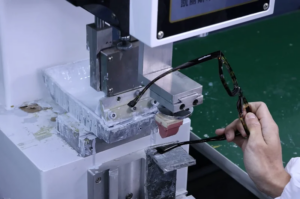
OEM eyewear projects start with the buyer’s own direction. That may include drawings, material specifications, shape references, logo placement rules, packaging standards, or a complete brand concept. OEM is usually the better route when buyers want stronger product differentiation, more control over details, or a unique long-term product line.
What ODM means in eyewear
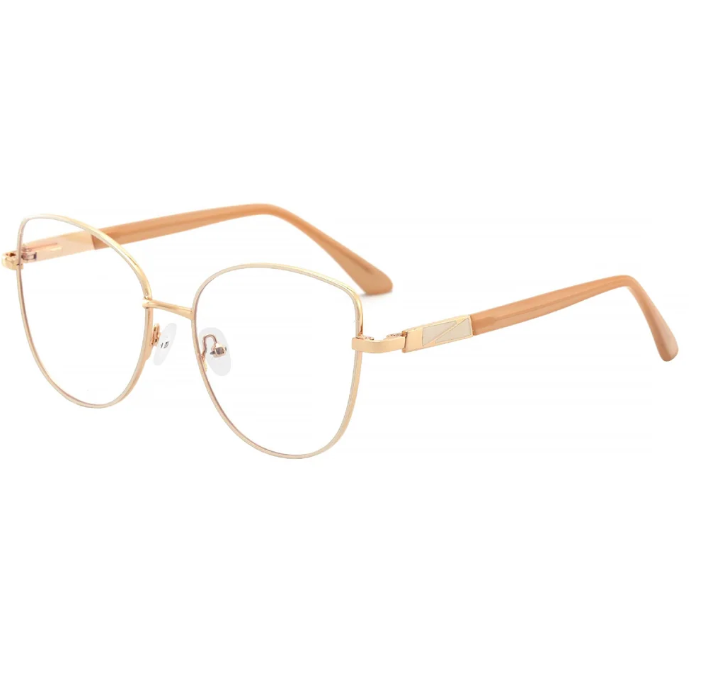
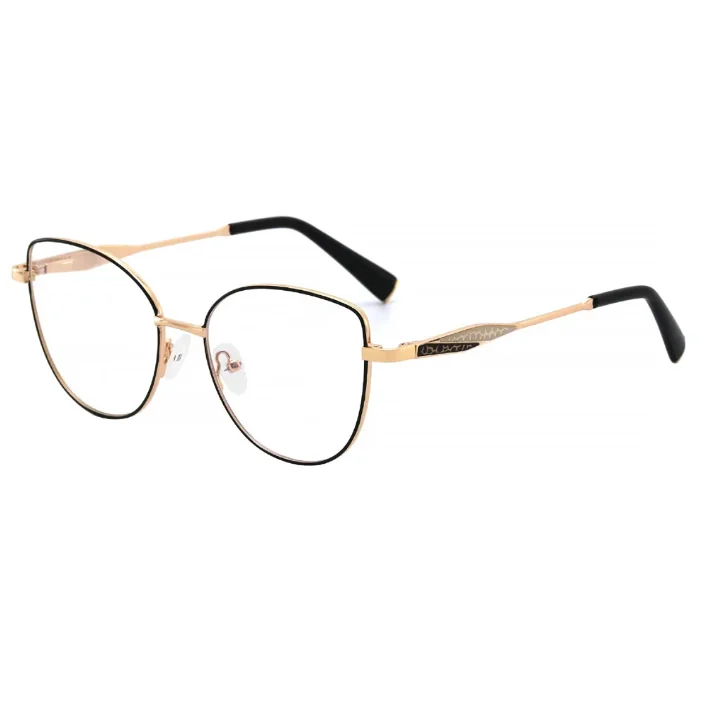
ODM eyewear projects start from existing styles developed by the manufacturer. Buyers can customize selected elements such as colors, logos, packaging, and in some cases small structural details. ODM usually works well for faster launches, lower development risk, and brands that want to test market response before investing in a more customized route.
Which route fits different buyer types
Startup brands and new online labels often begin with ODM because it simplifies sampling and shortens time to market. Distributors, pharmacies, and chain retailers may also prefer ODM for seasonal programs or rapid assortment expansion. OEM becomes more attractive when a buyer already understands target demand and wants more exclusive styling, material control, or consistent brand identity across collections.
How JHEYEWEAR supports both routes
Shanghai Jheyewear Co., Ltd., established in 2015, supports both OEM and ODM eyewear with flexible MOQ, stock styles, sample development, private label packaging, and repeat production. In-house manufacturing and QC help maintain consistency whether a buyer is developing a custom project or adapting ready-to-launch styles.
Conclusion
For brands, distributors, pharmacies, chain stores, and importers, the strongest sourcing decisions usually come from combining product fit, manufacturing clarity, and realistic bulk-order planning. Shanghai Jheyewear Co., Ltd. was established in 2015 and supports OEM, ODM, and private label projects with in-house production lines, a QC department, flexible MOQ, and export experience across Europe, South America, Australia, and Southeast Asia. When OEM vs ODM eyewear is evaluated through that B2B lens, buyers can move from generic supplier comparison to more structured long-term cooperation.
Evaluating a China eyewear factory for your next project? Contact JHEYEWEAR to discuss production capability, OEM/ODM service, certifications, and sample development.