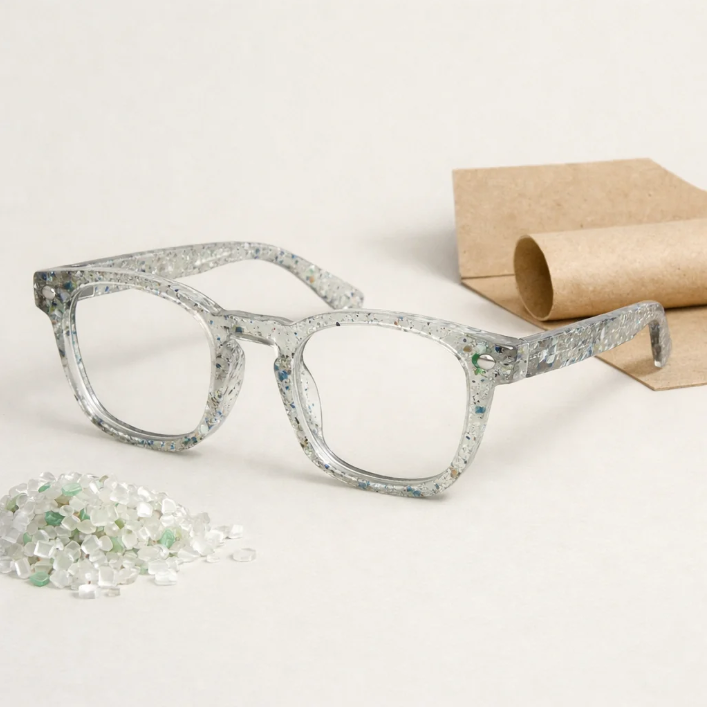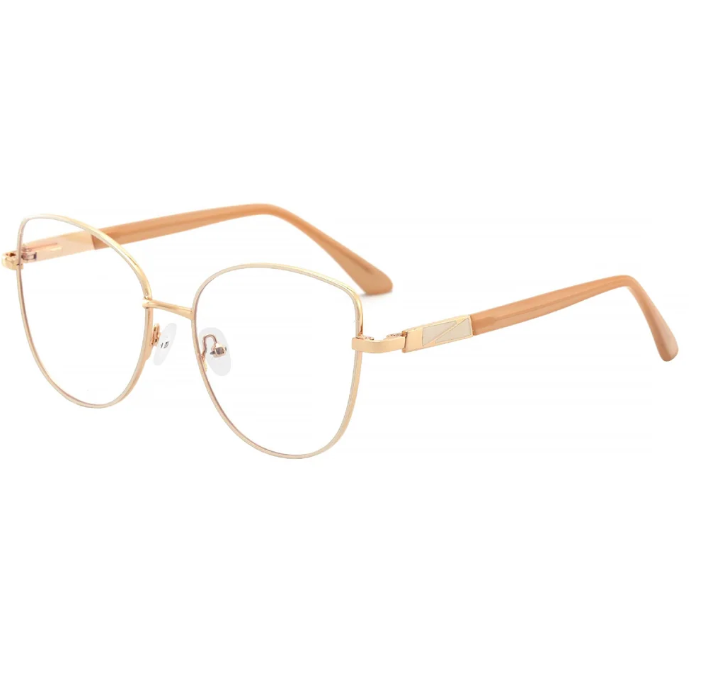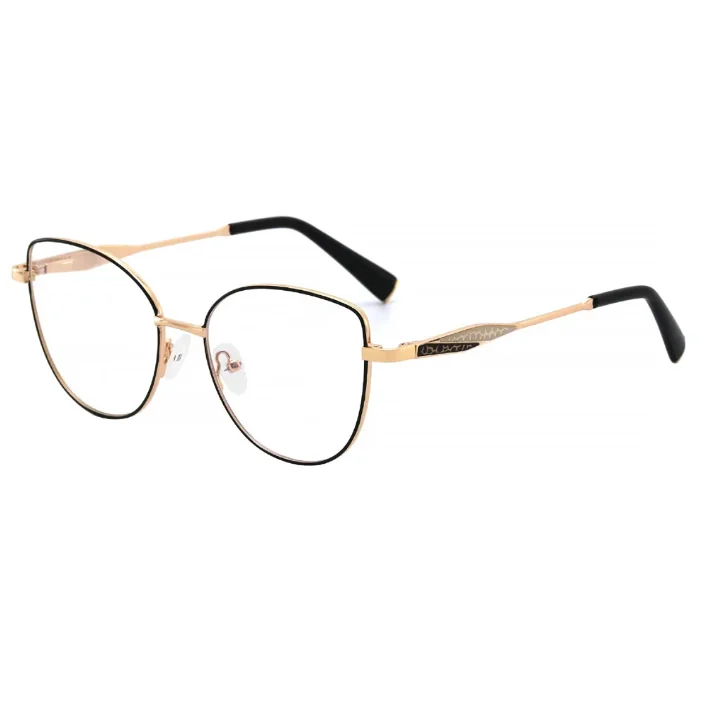
For eyewear wholesalers, optical chains, fashion accessory brands, and retail buyers, we have found that frame material selection is one of the most important decisions when building a product lineup. From our perspective at JHEYEWEAR, material quality influences appearance, durability, manufacturing consistency, and customer satisfaction. Among the many options available today, acetate remains one of the most widely used materials in premium eyewear manufacturing. When discussing the best acetate eyeglass frames, Italian acetate is frequently mentioned because of its long-standing reputation for material stability, color development, and design flexibility. As global demand for fashionable prescription eyewear continues to grow, we believe understanding why Italian acetate is widely adopted can help buyers make more informed sourcing decisions.
What Makes Italian Acetate Different from Other Materials?
We import high-grade Italian acetate as our core premium frame material. Acetate is a plant-based plastic material commonly derived from cotton fibers and wood pulp. Compared with standard injection-molded plastics, acetate offers greater design flexibility, richer color possibilities, and a more refined appearance. However, not all acetate materials are manufactured to the same standards. Italian acetate has become well known within the eyewear industry because of its attention to material processing, color formulation, and sheet production techniques.
One reason buyers often prefer Italian acetate is the variety of patterns and finishes available. In our production at JHEYEWEAR, we work with multi-layer color combinations, transparent effects, marble textures, and gradient designs that can all be incorporated into acetate sheets before frame production begins. This allows eyewear brands to develop collections with stronger visual differentiation while maintaining consistency across large production runs.
Another important factor is machinability. In our manufacturing process, acetate sheets must undergo cutting, shaping, polishing, and assembly processes. We have found that materials with stable physical properties allow us to achieve cleaner edges and smoother finishes. This directly improves the overall appearance of finished products and also helps streamline quality control procedures during production.
From our experience working with distributors and retail chains, material consistency is often just as important as aesthetics when evaluating the best acetate eyeglass frames. Reliable acetate helps us maintain uniform production standards, supports better inventory planning, and reduces product variation across different batches.
Why Material Quality Matters for Wholesale Eyewear Buyers
From a B2B perspective, we have found that frame materials affect more than consumer appearance preferences. At JHEYEWEAR, we also see that they can influence inventory performance, return rates, and long-term customer satisfaction. In our experience, when we work with buyers sourcing eyewear for optical stores, pharmacies, supermarkets, and fashion retailers, the focus is often on balancing visual appeal with manufacturing reliability.
High-quality acetate generally offers several practical advantages. In our production, we can polish the material to achieve a smooth surface finish, support a wide range of color combinations, and maintain enough flexibility for everyday wear. Because acetate frames are produced from laminated sheets rather than molded components, we find that it allows greater design freedom when developing unique shapes and styles for different market requirements.
At our company, we have seen increasing interest from customers seeking acetate eyewear collections that combine contemporary design with dependable production standards. Through OEM and ODM projects, we work with importers, wholesalers, and private-label brands that require customized frame colors, logo applications, packaging solutions, and market-specific product designs.
As part of these projects, at JHEYEWEAR we supply acetate eyewear options that serve both fashion-oriented and optical markets. One example is our ladies’ acetate prescription frame collection, which we develop with a focus on lightweight construction, modern styling, and a variety of color choices suitable for retail environments. Depending on customer requirements, we understand that MOQ arrangements can vary by model and customization scope, so we help buyers plan accordingly. For stock products, we can typically arrange shipment within 3 to 5 days, while customized orders generally require approximately 7 to 45 days based on order volume and production complexity.
Throughout production, materials and finished frames undergo inspection procedures intended to support consistent quality. Combined with more than ten years of export experience, these processes help us support customers across different international markets.
How Italian Acetate Supports Long-Term Brand Development
For eyewear brands, we have found that material selection also influences product positioning and collection planning. At JHEYEWEAR, we see that consumers are increasingly paying attention to frame design, comfort, and visual details. As a result, many retailers look for products that offer a balance between fashion appeal and practical performance.
Italian acetate remains popular because, in our production experience, it provides designers with considerable creative freedom. Whether a collection focuses on classic styles, modern fashion trends, or professional optical products, acetate can accommodate diverse design directions. This versatility makes it suitable for both seasonal launches and long-term core collections.
From our sourcing and manufacturing perspective, using reliable materials also helps us maintain stronger and more stable cooperation with our customers. We have found that consistent production quality across multiple orders becomes particularly important when expanding a successful product line into new markets or retail locations.
When developing acetate eyewear programs, we do not view it as a single-product decision. Instead, we consider material quality, manufacturing capability, customization support, delivery schedules, and quality management as part of a complete production system. From our experience, Italian acetate continues to play an important role because it supports these broader business objectives while allowing us to help brands maintain distinctive product identities.
Conclusion: Material Selection Remains a Key Factor in Eyewear Success
Italian acetate has earned a respected position within the eyewear industry because of its design flexibility, color possibilities, and manufacturing consistency. At JHEYEWEAR, we see that for wholesalers, distributors, optical retailers, and private-label brands, understanding the characteristics of different frame materials is essential when developing competitive product assortments.
While frame design often attracts initial attention, in our experience material quality plays a significant role in long-term product performance and customer perception. By evaluating sourcing capabilities, manufacturing standards, and customization options alongside material selection, we help our customers make decisions that better align with their market needs. As the eyewear industry continues to evolve, we believe the best acetate eyeglass frames will remain closely associated with materials that support reliable production, creative design possibilities, and consistent quality across diverse retail channels.