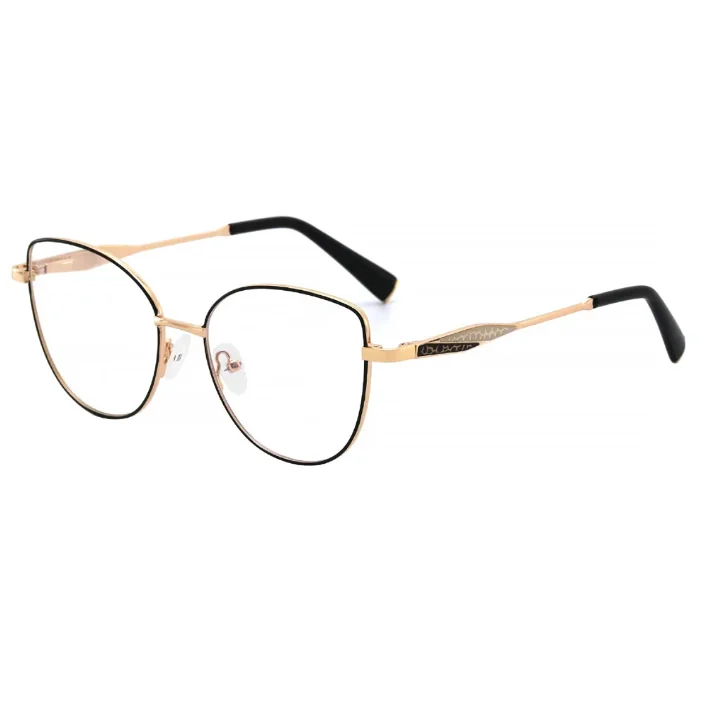
As digital devices become part of daily work and entertainment, demand for best anti blue-light glasses continues to grow across optical stores, fashion accessory brands, pharmacies, supermarkets, and eyewear chains. For wholesale buyers, however, selecting products is only one part of the process. Choosing the right manufacturing partner is equally important. We often see buyers focus heavily on pricing when comparing suppliers, yet price alone rarely reflects the actual value of a product. Manufacturing standards, material selection, quality control processes, customization capabilities, and delivery reliability all influence long-term purchasing success. Understanding how these factors affect cost and quality can help buyers make more informed sourcing decisions and avoid issues that may arise after products reach retail shelves.
Why Low Prices Do Not Always Mean Lower Costs
When evaluating eyewear manufacturers, many buyers initially compare quotations. While competitive pricing is important, the lowest price is not always the most economical choice. Materials, production methods, coating technology, and inspection standards can significantly affect product durability and customer satisfaction.
From thousands of wholesale anti-blue-light orders we have processed globally, we know that for anti-blue-light eyewear, lens quality plays a particularly important role. Different manufacturers may use different lens substrates, coatings, and filtering technologies. Some products are designed primarily to reduce blue-light exposure from digital screens, while others balance blue-light filtration with visual clarity. If a product has inconsistent coatings, poor frame durability, or unstable lens performance, retailers may face returns, customer complaints, or replacement costs.
From our experience working with international wholesale customers, we have found that evaluating supplier consistency is often more valuable than comparing prices alone. A manufacturer with established production procedures and quality management systems may help reduce supply chain risks over time. This becomes especially important for businesses planning repeat orders or developing their own eyewear collections. When buyers search for the best anti blue-light glasses for wholesale distribution, examining product specifications, material sourcing, and production standards often provides more useful information than focusing solely on the quotation sheet.
Key Manufacturing Factors That Influence Product Quality
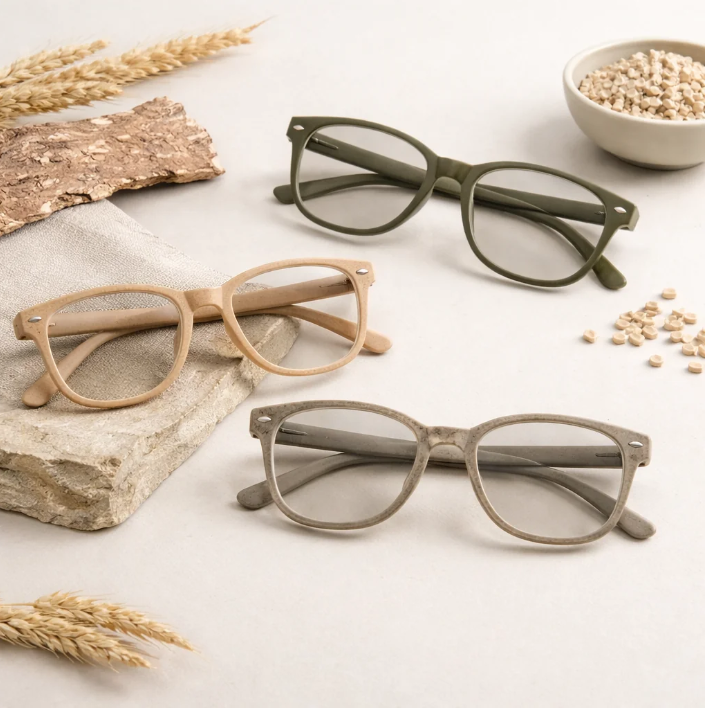
When we evaluate raw materials for our anti-blue-light series, we summarize that several manufacturing elements directly affect the quality of anti-blue-light eyewear. Frame materials are among the most important considerations. Metal, TR90, acetate, and combination materials each offer different characteristics in terms of durability, weight, flexibility, and appearance. Lens production is another critical factor. Consistent lens processing helps maintain optical performance and appearance across large production runs. Reliable manufacturers typically implement inspection procedures throughout production rather than relying solely on final checks.
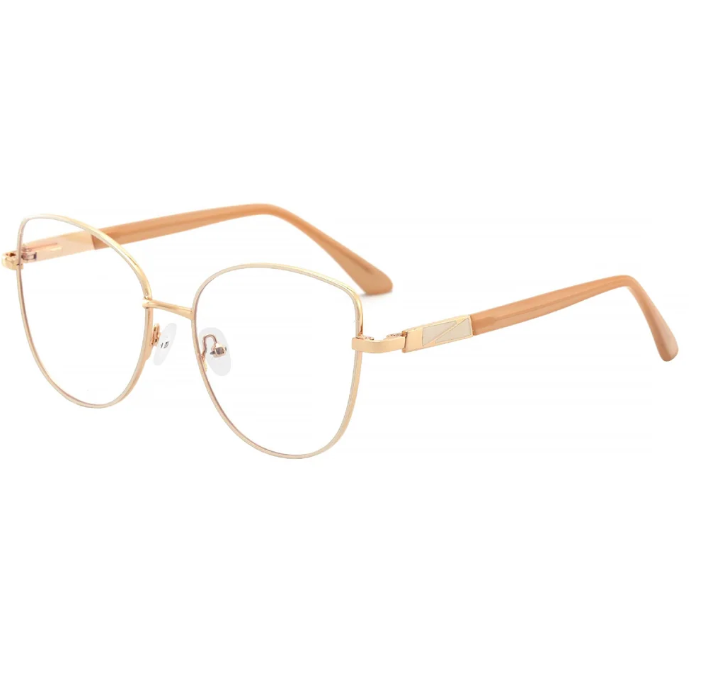
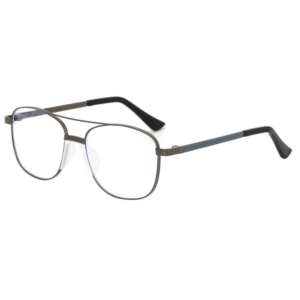
At JHEYEWEAR, we provide a wide range of eyewear styles for wholesale customers, including anti-blue-light models designed for professional and everyday use. One example is our business square anti-blue metal glasses for men. This model combines a classic square frame shape with a metal structure that offers a professional appearance suitable for office environments. Such designs are often selected by optical retailers and fashion distributors seeking products that can appeal to a broad customer base.
At JHEYEWEAR, we find that customization capabilities also play an important role in supplier evaluation. Many distributors and brands we work with require private label services, logo printing, packaging customization, or frame modifications. We support OEM and ODM projects with production schedules that typically range from 7 to 45 days depending on style complexity and order quantity, while we also maintain selected stock models that can typically be shipped within 3 to 5 days. For businesses building their own collections, we believe these capabilities are just as important as product specifications themselves. As market demand continues to expand, we have seen that buyers looking for the best anti blue-light glasses increasingly evaluate not only finished products but also the manufacturing systems behind them.
How Wholesale Buyers Can Evaluate Manufacturers More Effectively
A structured evaluation process helps buyers compare suppliers more accurately. Rather than focusing on one factor, it is useful to assess manufacturers across multiple areas. Export experience often provides valuable insight. Manufacturers serving international markets for many years typically have greater familiarity with compliance requirements, packaging standards, logistics coordination, and customer expectations. Experience handling different markets can also help suppliers respond more effectively when unexpected issues arise.
Production capacity is another consideration. Buyers should understand whether a supplier maintains inventory for fast-moving products or produces entirely on demand. Stock availability can shorten lead times and support urgent purchasing needs. At our company, many eyewear styles are available from existing inventory, allowing faster shipment for suitable orders.
Quality control procedures should also be reviewed carefully. Reliable suppliers generally conduct inspections on raw materials, production processes, and finished products. These measures help maintain consistency across different batches and reduce the likelihood of defects reaching customers.
Minimum order quantity requirements should also align with business goals. At JHEYEWEAR, we provide different MOQ arrangements based on project requirements. For stock products, MOQ typically starts from 100 pairs, making it easier for customers to test new product categories or replenish inventory quickly. For customized projects, MOQ generally starts from 1200 pairs, supporting more efficient production and brand-specific development. We believe evaluating these operational details often provides a more practical understanding of supplier suitability than simply comparing prices.
For buyers seeking long-term partnerships, we believe communication efficiency, customization support, after-sales responsiveness, and reliable manufacturing capabilities are just as important as production costs. By working closely with our customers throughout each project, we help support smoother cooperation and more stable long-term supply relationships.
Conclusion: Looking Beyond Price to Find Sustainable Value
Finding the right manufacturer involves balancing cost considerations with product quality, operational reliability, and long-term business support. While low prices may appear attractive during initial sourcing discussions, factors such as material selection, quality control, customization capabilities, delivery performance, and export experience often have a greater impact on overall purchasing success.
As wholesalers, retailers, and brand owners evaluate suppliers, a broader assessment framework can help identify partners capable of supporting both current requirements and future growth. We believe that successful sourcing decisions come from understanding how manufacturing practices influence product performance rather than relying on pricing alone. By carefully evaluating these factors, buyers can make more informed decisions when searching for the best anti blue-light glasses and build stronger supply relationships that support consistent product quality over time.