From our decade-long R&D and bulk production experience in fashion eyewear, we have found that eyewear trends change from season to season, yet some frame materials continue to attract attention because they offer a balance between appearance, durability, and design flexibility. Among the many options available in the optical market, acetate eyeglasses have become a preferred choice for brands and retailers seeking to create distinctive collections with strong visual appeal. Whether customers are looking for expressive colors, unique patterns, or thicker frame silhouettes, acetate provides greater creative freedom than many conventional materials.
At JHEYEWEAR, we work with eyewear chains, fashion accessory brands, optical stores, supermarkets, and pharmacies around the world. We have found that buyers often focus on frame shape first, but we believe material selection has an even greater influence on the final product. A bold design is not defined only by oversized dimensions or eye-catching colors. It also depends on how well the material supports those design features while maintaining comfort, durability, and long-term performance. We believe understanding the characteristics of acetate helps our customers make more informed sourcing decisions and develop collections that respond to changing market demand.
The Relationship Between Acetate and Strong Visual Design
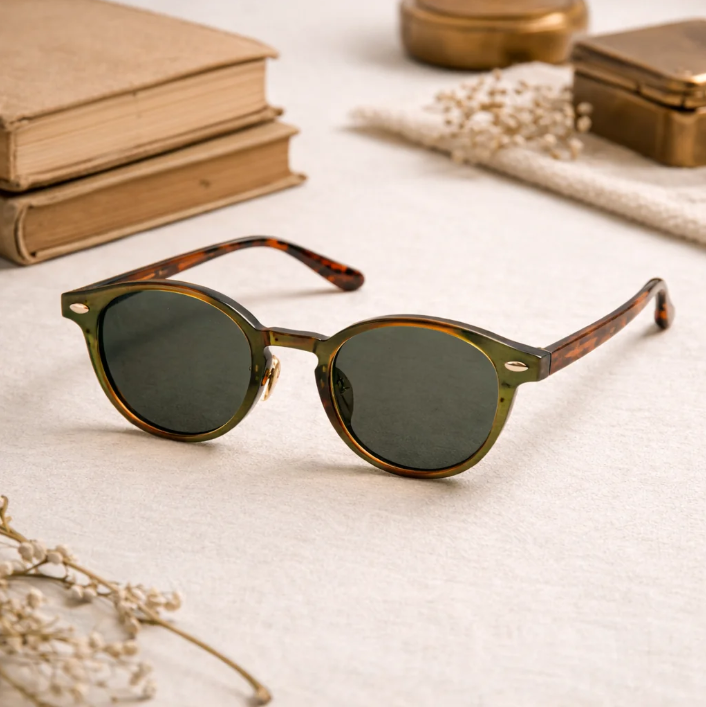
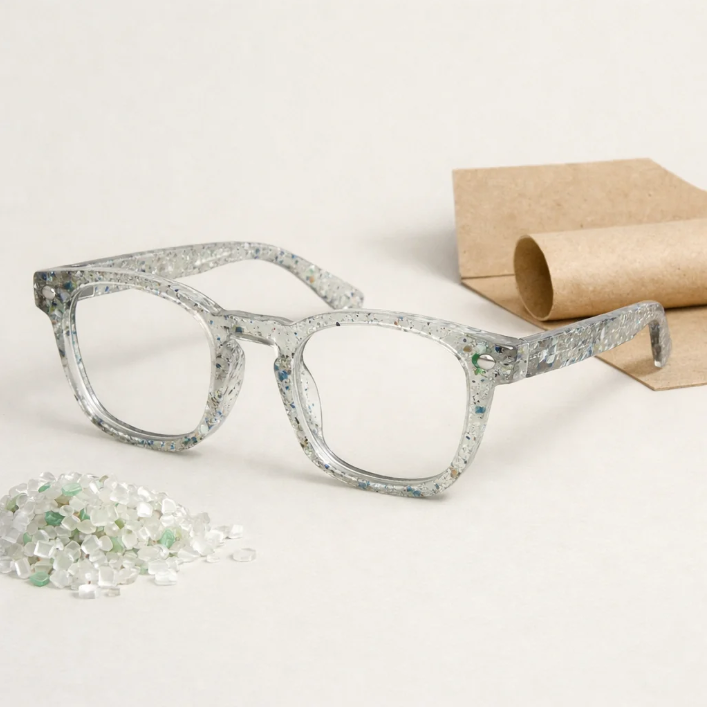
When developing bold eyewear styles, we consider design flexibility one of the most important factors. In our daily frame development, we rely heavily on acetate as a core material. Acetate is a plant-based plastic material that can be produced in a wide variety of colors, textures, and laminated patterns. Unlike painted finishes, many acetate colors are integrated directly into the material itself, allowing us to create richer visual effects and a more consistent appearance throughout the frame.
This characteristic is one reason we continue using acetate for fashion-oriented eyewear collections. Transparent tones, marble effects, tortoiseshell patterns, gradient colors, and layered combinations can all be achieved through material engineering rather than surface decoration alone. As a result, the finished frames display greater visual depth and distinctive character.
Another advantage is structural versatility. We can create thicker frame fronts, wider temples, and more sculpted profiles while maintaining product consistency. Acetate allows us to shape, polish, and finish frames with precision, giving our customers greater flexibility when developing unique product collections.
For wholesale buyers, this versatility supports product differentiation. In competitive retail environments, distinctive products often help brands attract consumers looking for alternatives to standard metal or injection-molded frames. As a manufacturer of acetate eyeglasses, we continue developing collections that combine creative design with practical manufacturing.
Comfort, Durability, and Material Combinations
We believe bold eyewear should offer more than visual appeal. Long-term wearing comfort is equally important, making material performance a key part of our product development process. Acetate provides several practical advantages. The material can be adjusted relatively easily during fitting, allowing opticians to improve alignment and wearing comfort for different users. It can also be polished to create a smooth surface that feels comfortable during daily use.
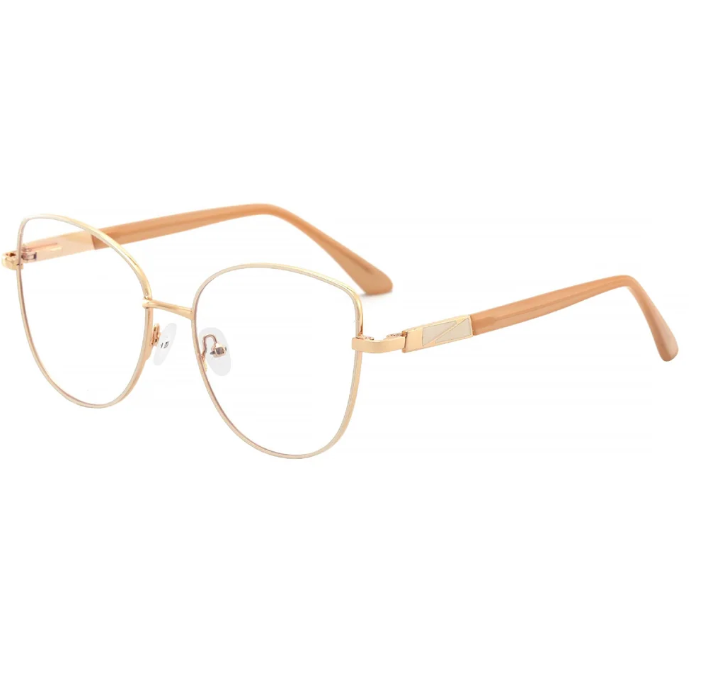
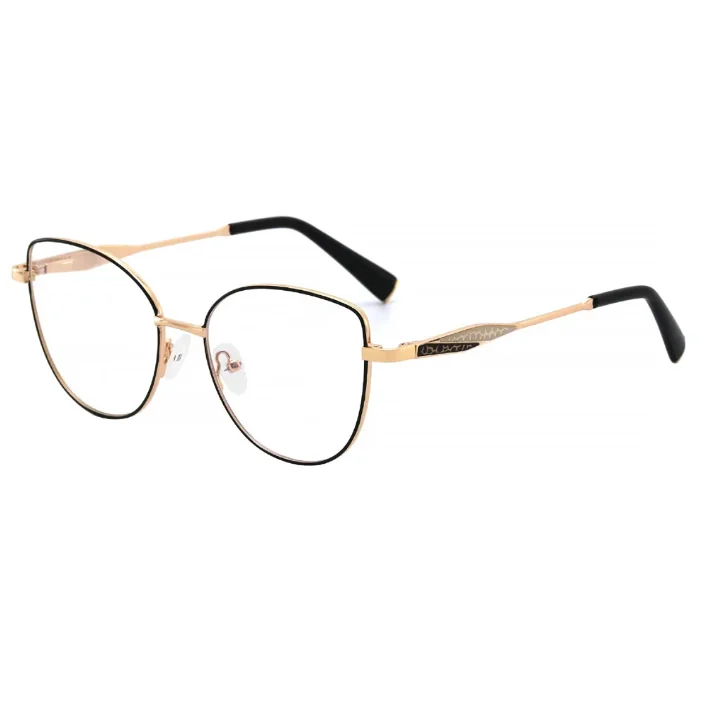
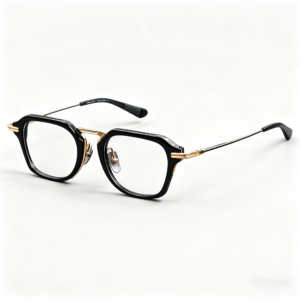
To further improve product performance, we increasingly combine different materials within the same frame. One example from our product range is an acetate-titanium optical frame that combines the visual richness of acetate with the lightweight strength of titanium components. This approach allows us to maintain a bold front profile while reducing overall weight and improving comfort. Throughout product development, we carefully evaluate material selection, component matching, and manufacturing consistency. Different acetate sheets may vary in density, color characteristics, and machining requirements. By maintaining careful processing standards, we help ensure consistent appearance and dependable quality across production batches.
We also understand that these manufacturing details directly affect customer satisfaction, return rates, and long-term brand reputation. For this reason, we continue investing in reliable acetate processing and mixed-material manufacturing capabilities to support stable purchasing outcomes for our wholesale customers.
Manufacturing Considerations Behind Successful Acetate Collections
We believe successful eyewear collections depend on more than attractive designs. Efficient supply chain management, customization capabilities, and consistent quality control are equally important. With more than ten years of export experience, we have served customers across a wide range of international markets, including optical chains, distributors, fashion brands, and private-label buyers. To support different market requirements, we provide both OEM and ODM services that allow customers to develop products tailored to their target audiences.
At JHEYEWEAR, our customization services include frame shape adjustments, color development, logo application, packaging solutions, and material selection. We work closely with our customers throughout the development process to ensure each detail meets their market requirements. Depending on design complexity and order quantity, customized projects generally require approximately 7 to 45 days for production, while we also maintain stock programs for selected models that can typically be shipped within 3 to 5 days, helping customers shorten lead times when faster delivery is required.
Quality control remains a key part of our manufacturing process. We perform inspections covering frame alignment, hinge performance, surface finishing, dimensional consistency, and overall appearance before shipment. These procedures help support stable cooperation with our customers while reducing potential quality issues.
We also provide MOQ arrangements based on product type and customization requirements to support different purchasing plans. For stock products, MOQ typically starts from 100 pairs, while customized projects generally require 1200 pairs, depending on the design and production requirements. As demand for personalized eyewear continues to grow, we believe acetate eyeglasses remain an effective platform for introducing distinctive collections while maintaining practical commercial value.
Conclusion: Material Choice Shapes Bold Eyewear Success
We believe creating a bold eyewear collection involves much more than selecting an eye-catching frame shape. Material characteristics influence design possibilities, comfort, durability, manufacturing efficiency, and overall product value. Through continuous material development and manufacturing improvements, we continue helping our customers create eyewear collections that balance aesthetics with practical performance.
By combining thoughtful design, dependable production, and flexible OEM/ODM services, we support wholesalers, retailers, and brand owners in developing products that meet changing market expectations. As consumer demand continues to evolve, we remain committed to providing innovative eyewear solutions that deliver long-term value for our business partners.