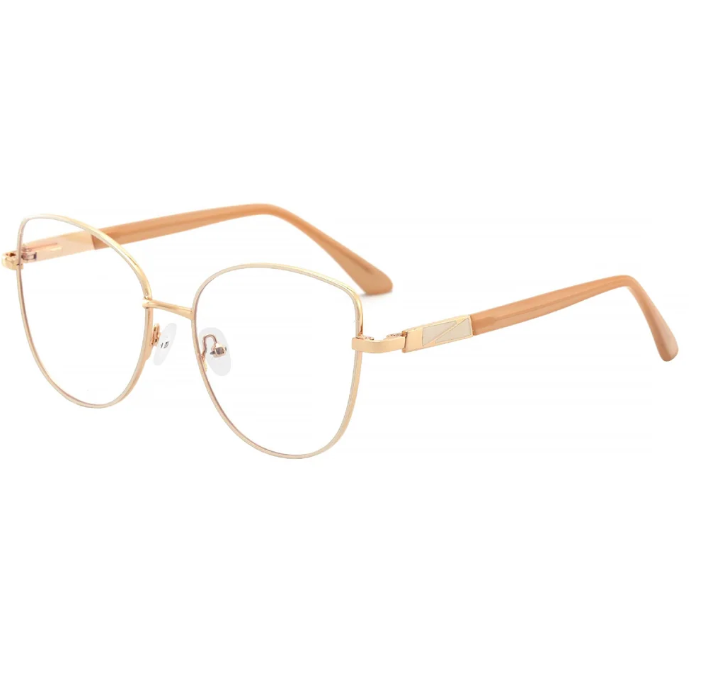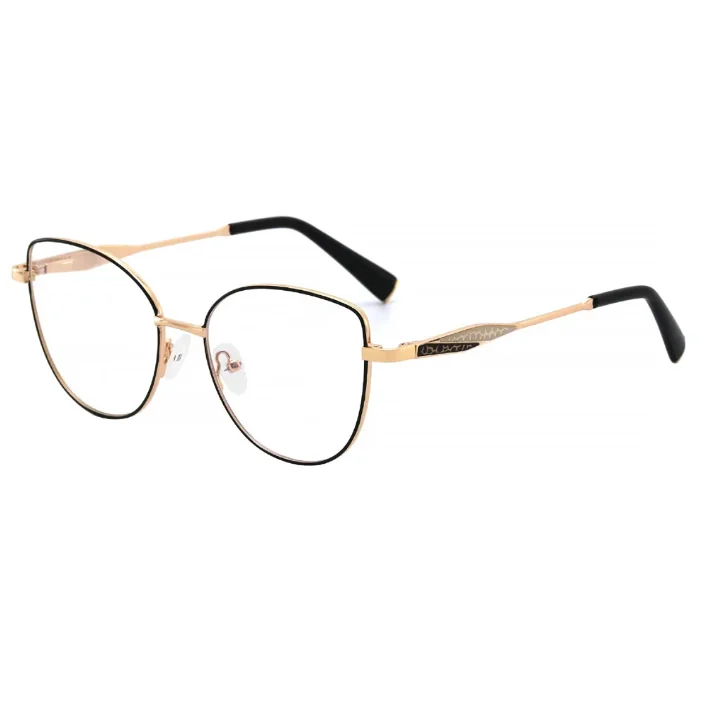
As sustainability becomes a more important consideration across the eyewear industry, manufacturers, distributors, and retail buyers are paying closer attention to the materials used in frame production. One topic that continues to gain attention is the development of glasses frame material sourced from renewable or partially renewable resources. While traditional frame materials such as petroleum-based plastics and metals remain widely used, bio-based alternatives are gradually becoming part of manufacturing discussions due to environmental concerns, changing consumer preferences, and advances in material science.
From our perspective at JHEYEWEAR, understanding new material trends is important not only for product development but also for helping wholesale customers make informed purchasing decisions. Optical chains, fashion accessory brands, pharmacies, supermarkets, and independent eyewear retailers often need to balance design requirements, product durability, cost control, and sustainability goals. Bio-based materials represent an emerging option within this broader decision-making process. However, their future depends on much more than environmental marketing. Factors such as performance, manufacturing consistency, supply chain stability, and large-scale production capabilities will ultimately determine how widely these materials are adopted.
Why Bio-Based Materials Are Receiving More Attention
The growing interest in bio-based eyewear materials is largely linked to efforts across multiple industries to reduce dependence on fossil fuel-derived resources. In our sustainable material R&D lab, we test dozens of bio-based materials every year. Bio-based materials may incorporate ingredients obtained from renewable sources such as plant fibers, castor oil derivatives, cellulose-based compounds, or other naturally sourced raw materials. Depending on the specific formulation, these materials can help manufacturers diversify material sourcing while supporting sustainability initiatives.
For eyewear production, however, environmental considerations alone are not enough. Frames must maintain structural integrity, dimensional stability, surface quality, and long-term durability during daily use. This is why research into bio-based glasses frame material increasingly focuses on balancing environmental benefits with practical performance requirements.
We still face noticeable manufacturing challenges when applying renewable eyewear materials. In our production tests, we find some renewable materials are more sensitive to humidity, temperature variation, and processing conditions than conventional plastics. We also need to prioritize consistent color appearance and stable production efficiency throughout mass production. As material technology continues to advance, we keep optimizing our material formulations to solve these existing drawbacks, while fully retaining the flexible design performance needed for modern eyewear collections.
From our long-term B2B wholesale service experience, we know professional buyers always evaluate sustainable eyewear solutions comprehensively, balancing eco-friendly attributes with inventory turnover, product reliability, and end-customer acceptance. In our practice, bio-based materials become far more competitive when they satisfy these commercial demands, without sacrificing manufacturing stability or disrupting retail pricing structures.
How Manufacturing Technology Supports Material Innovation
The future of bio-based eyewear production depends heavily on manufacturing technology. Material innovation alone cannot succeed without production methods capable of delivering consistent quality at scale.
We have upgraded our full production lines for eco-friendly frame production. Many eyewear factories already operate sophisticated systems for cutting, shaping, polishing, assembling, and inspecting frames. As new materials enter the market, these production processes must be adjusted and optimized accordingly. Tooling parameters, temperature control, polishing techniques, and finishing methods may all require modification to accommodate different material characteristics.
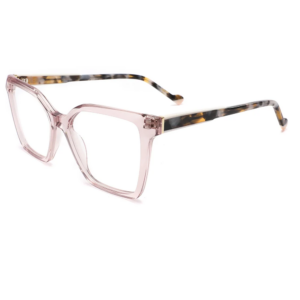
One relevant example can be seen in laminated acetate optical frames. Acetate remains one of the most popular frame materials because it offers design flexibility, color variety, and comfortable wear characteristics. Laminated acetate frames combine multiple layers of acetate sheets to create distinctive visual effects and unique patterns. These manufacturing techniques demonstrate how material engineering and production expertise work together to produce attractive and durable eyewear products.
In our manufacturing operations, we continue to observe that successful material adoption depends not only on the raw material itself but also on the ability to maintain quality control throughout the production process. This includes incoming material inspection, dimensional verification, surface finishing evaluation, assembly checks, and final product testing. Whether a frame uses traditional acetate or a future bio-based alternative, consistency remains essential for wholesale customers managing large purchasing volumes.
What Wholesale Buyers Should Consider as Bio-Based Frames Develop
From our observation of the growing sustainable eyewear market and in-depth communication with global B2B clients, we advise buyers to view bio-based eyewear materials from a balanced and practical perspective. Instead of only focusing on environmental marketing claims, we recommend our partners prioritize practical factors that determine long-term business performance when selecting sustainable eyewear.
We regard material durability as the core evaluation standard for bio-based frame production. All the bio-based frames we develop are designed to withstand routine handling, transportation, storage, and long-term daily wear. We also attach great importance to design versatility, as we understand retailers need diverse eyewear collections to cover different consumer aesthetic preferences and market demands. In addition, we believe manufacturing repeatability is crucial for buyer confidence. For chain distributors and retail brands with repeated bulk orders, we always maintain stable and consistent product quality across every production batch.
Another factor we encourage our customers to consider is supply chain reliability. While new materials may offer promising advantages, we believe buyers should also verify whether suppliers can support stable production schedules and repeat orders. At JHEYEWEAR, we provide both stock and customized manufacturing solutions. Our stock products typically start from an MOQ of 100 pairs, while customized projects generally require 1200 pairs, depending on product specifications. We also recommend evaluating lead times, customization capabilities, and quality assurance procedures together, as these factors all contribute to more reliable long-term sourcing decisions. From our experience serving international wholesale customers for more than a decade, many buyers continue to prioritize dependable manufacturing partnerships. We support OEM and ODM projects, maintain a wide range of frame styles, provide stock options for faster shipment, and offer customized development based on customer requirements. Depending on design complexity and order volume, custom projects may require different production timelines. These operational considerations remain important regardless of whether the frame incorporates conventional materials or future bio-based solutions.
As development continues, the market will likely see increasing collaboration between material suppliers, frame manufacturers, and brand owners. Such cooperation can help accelerate innovation while ensuring that new materials satisfy both environmental objectives and commercial expectations.
Conclusion: Balancing Sustainability and Practical Manufacturing Needs
We believe the future of bio-based eyewear production is promising, but its success will depend on achieving a practical balance between sustainability and manufacturing performance. In our material R&D practice, advances in renewable raw materials have brought brand-new development opportunities to the eyewear industry. However, we recognize that the long-term adoption of bio-based frames depends on mature production processes, stable supply chains, and consistent product quality.
As we continue our in-depth material research and technical iteration, we expect bio-based glasses frame material to play an increasingly important role in modern eyewear manufacturing. For this reason, we always suggest our wholesale buyers comprehensively assess product durability, design flexibility, production consistency, and sourcing reliability when cooperating with frame suppliers. At JHEYEWEAR, we integrate continuous material innovation with our mature manufacturing expertise, allowing us to explore reliable sustainable eyewear solutions and fully meet the practical procurement needs of global wholesale customers.