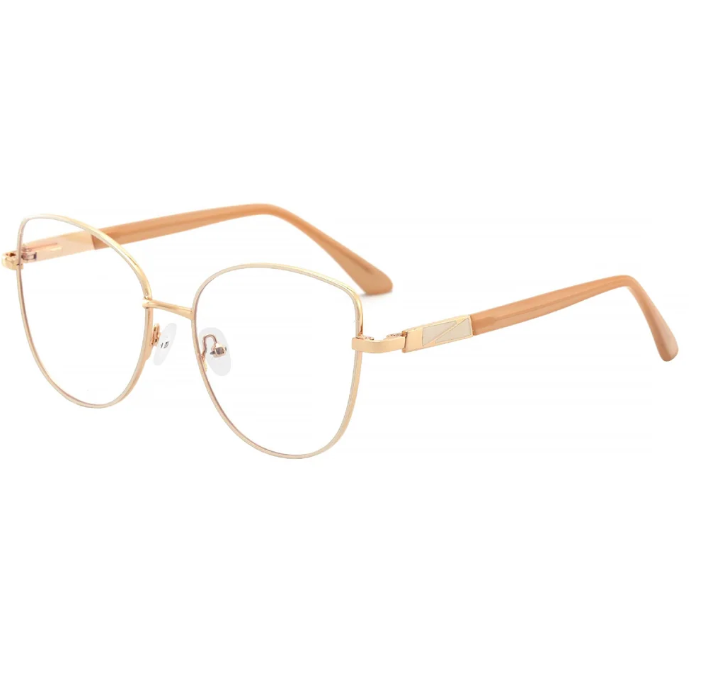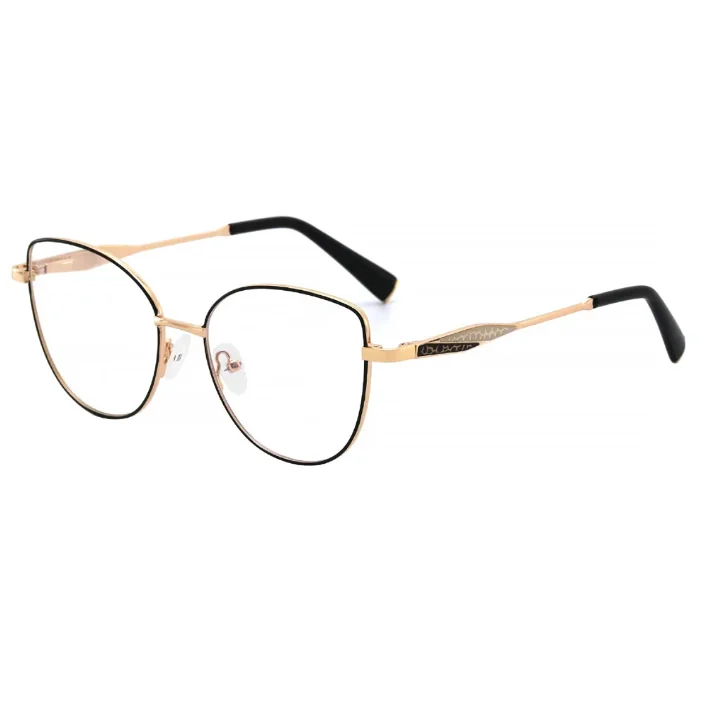
When wholesale buyers evaluate eyewear collections, style, color, and pricing often receive the most attention. However, flexibility is another factor that can significantly influence long-term product performance and customer satisfaction. The choice of glasses frame material affects how frames respond to daily wear, transportation, fitting adjustments, and different environmental conditions.
From our experience serving optical retailers, eyewear chains, fashion accessory brands, pharmacies, and supermarkets, we have found that frame flexibility is closely connected to durability and user comfort. A frame that is too rigid may be more likely to crack under stress, while one that is excessively soft may struggle to maintain its intended shape. Finding the right balance is important for buyers who want products that meet practical market requirements.
From our long-term material testing and frame development experience, we have confirmed that different eyewear materials deliver distinct flexibility performance. We regularly work with metal alloys, acetate, and TR90 materials, each offering unique structural and wearing characteristics. We believe understanding these material differences helps our wholesale buyers make more strategic purchasing decisions, instead of judging products only by appearance or unit cost. For B2B partners managing multi-category eyewear lines, we always recommend selecting adaptable materials that fit diverse consumer demands, helping them build a more balanced, market-stable product portfolio.
How Flexibility Influences Everyday Frame Performance
Flexibility affects eyewear performance in ways that many end users may never notice directly. During daily use, glasses are repeatedly removed, adjusted, folded, stored, and transported. Each of these actions places stress on the frame structure. Our suitable glasses frame material can help absorb some of this stress without permanent deformation or breakage.
From our after-sales data and user feedback collection, we find that many customers frequently adjust temples to achieve a better fit. We adopt materials with moderate flexibility to support fine adjustments while keeping the entire frame structurally stable. This characteristic can reduce the likelihood of returns caused by fitting issues. Likewise, we balance frame flexibility scientifically to help products withstand minor extrusion and impact during transportation.
We also take temperature adaptability into full consideration during material screening. Eyewear is used in diverse scenarios, including air-conditioned indoor spaces, high-temperature outdoor summer environments, and cold climates. We select high-quality materials that maintain stable performance under changing temperatures, which greatly benefits distributors who supply products across multiple regions.
Furthermore, we prioritize long-term wearing comfort in our material selection. Since eyewear contacts the face all day long, we choose slightly flexible materials to evenly disperse pressure on the nose bridge and ears, delivering a much more comfortable wearing experience. Although frame design also affects comfort, we always regard professional material selection as the core factor for optimizing overall wearability.
Why Acetate Continues to Be Popular Among Wholesale Buyers
Among modern eyewear materials, acetate remains widely used because it combines aesthetic versatility with practical performance characteristics. Acetate frames are available in numerous colors, patterns, and finishes, allowing brands to create distinctive collections without sacrificing functionality.
At JHEYEWEAR, we manufacture various acetate eyewear styles for wholesale customers and private-label projects. One example is our customized men’s acetate eyewear collection. Acetate provides a balance between rigidity and flexibility, helping frames maintain their shape while still accommodating everyday adjustments. This makes it suitable for many optical and fashion-oriented applications.
Material quality also affects manufacturing consistency. High-quality acetate sheets support stable processing during cutting, polishing, and assembly. Consistent production standards help ensure that finished products meet design specifications across larger orders. For B2B buyers, consistency is often just as important as appearance because it contributes to inventory management and customer satisfaction.
Beyond product manufacturing, we support OEM and ODM projects for clients seeking custom frame shapes, colors, logo applications, or packaging solutions. Depending on style complexity and order quantity, customized projects generally require different production timelines, while many standard models are available from inventory for faster delivery. Throughout production, quality inspections help verify dimensional accuracy, finishing quality, and assembly standards before shipment.
For wholesale customers, flexibility should therefore be viewed not only as a material property but also as part of a broader quality evaluation process that includes design, manufacturing, and long-term usability.
Conclusion: Balancing Flexibility, Durability, and Market Needs
Choosing the right glasses frame material involves much more than comparing visual designs. Flexibility directly influences comfort, fitting performance, durability, transportation reliability, and the overall user experience. Buyers who understand the relationship between material characteristics and product performance are often better positioned to build collections that meet the expectations of different customer groups.
As we continue working with eyewear retailers, chain stores, fashion brands, pharmacies, and other wholesale partners, we see that successful frame programs often start with a careful evaluation of material properties. Acetate, metals, and other materials each offer advantages, but their suitability depends on the target market and intended application.
For this reason, flexibility should be considered alongside factors such as design, manufacturing quality, customization requirements, and supply chain efficiency. By taking a broader view of material selection, our buyers can make more informed sourcing decisions and create product offerings that remain relevant in changing markets. Understanding the strengths of each glasses frame material ultimately helps businesses deliver eyewear products that balance appearance, functionality, and long-term value.