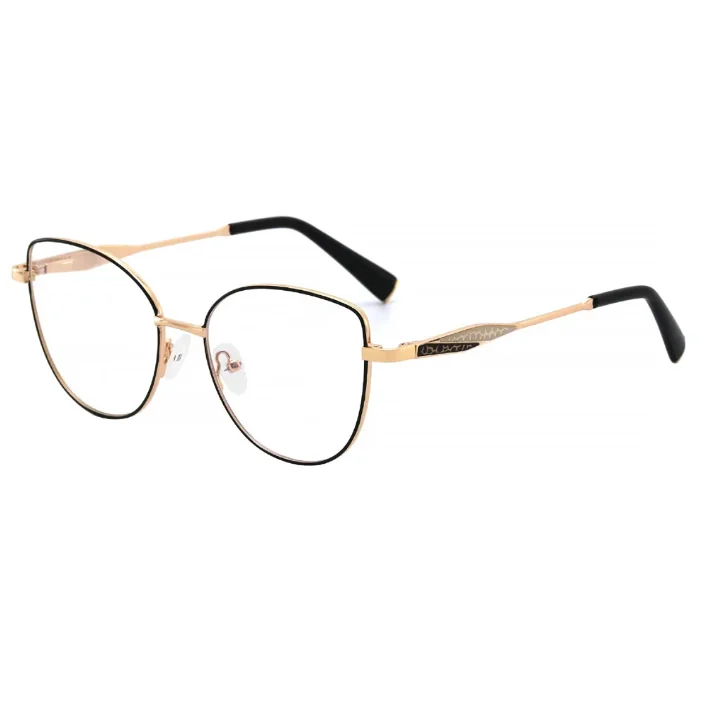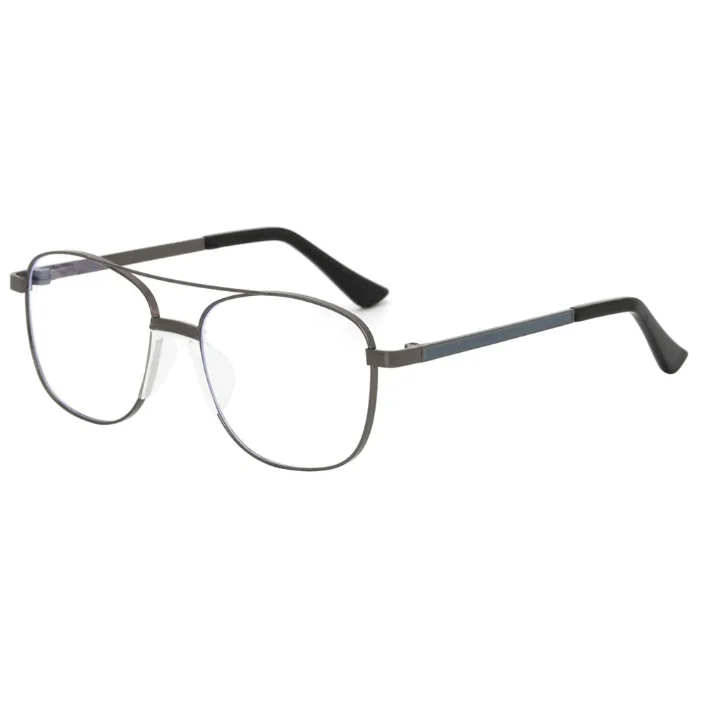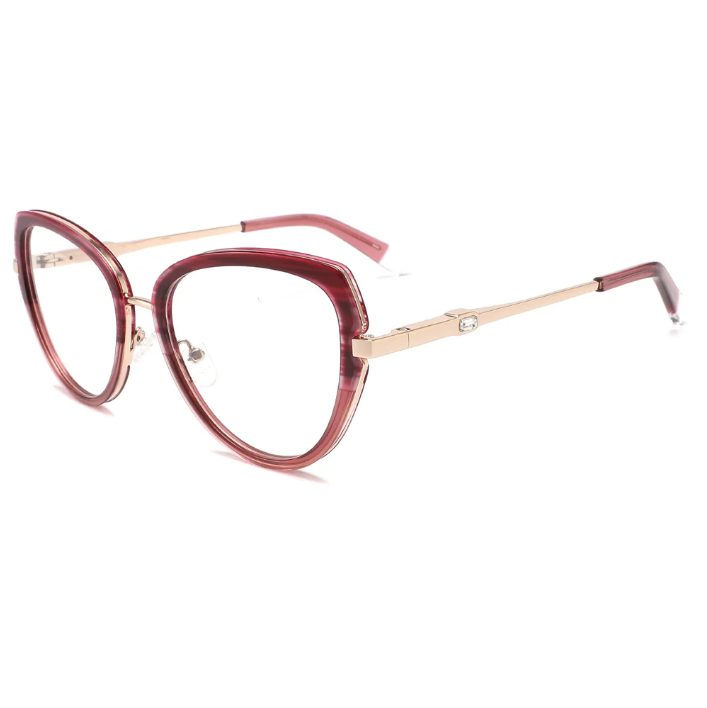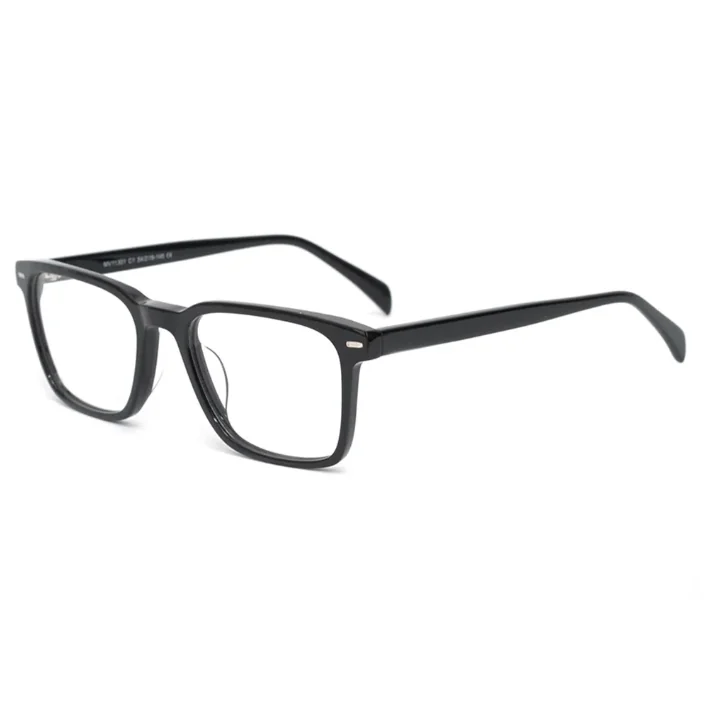
Eyewear sourcing in 2026 requires buyers to look beyond product appearance. Retailers, optical stores, and fashion accessory brands need to evaluate materials, production capacity, quality control, customization support, and delivery planning before choosing a manufacturing partner.
As market demand becomes more diversified, we see that professional sourcing is not only about product appearance. It also involves understanding manufacturing processes, customization options, and cooperation models. In this article, we discuss how buyers can evaluate global suppliers and how JHEYEWEAR supports business customers with practical eyewear solutions.
Key Factors for Evaluating Eyewear Manufacturing Companies
When buyers compare eyewear manufacturing companies, they usually focus on several important areas. Product range, production experience, customization support, and quality management can influence long-term cooperation. A supplier with flexible services can help businesses respond to different market needs.
Materials are also an important consideration. Different eyewear categories require different material choices. For example, optical frames may focus on comfort and durability, while sunglasses often require suitable lens performance for outdoor use. Understanding these differences helps buyers select products that match their customers.
Production capacity is another factor for wholesale buyers. Retail chains and distributors often need stable supply and clear delivery schedules. A supplier that can provide both ready-stock items and customized solutions can help businesses manage inventory more efficiently.
Matching Product Development to Market Demand
In recent years, eyewear buyers have paid more attention to functional designs. Sports eyewear, fashion sunglasses, optical frames, and reading glasses continue to develop based on lifestyle changes. Customers are looking for products that fit different usage scenarios.
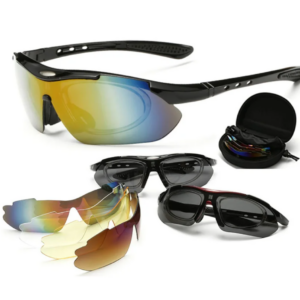
Cycling eyewear is one example of this trend. Riders often need glasses that provide comfort, protection, and flexibility. Our Polarized Cycling Glasses with Interchangeable Lenses use a PC frame and include one TAC polarized lens with four PC UV400 lenses. The design supports cycling applications and includes an RX insert option for users who need prescription support.
For buyers searching for eyewear manufacturing companies, product flexibility is also important. A supplier that supports OEM and ODM services can help brands create products with customized colors, materials, packaging, and logos. This allows businesses to develop collections that fit their own market positioning.
Evaluating Quality Control and Warranty Support
Quality control plays an important role in eyewear production. Small details such as lens protection, frame structure, and surface finishing can influence customer experience. Professional inspection procedures help reduce quality issues during retail sales.
At JHEYEWEAR, we focus on practical quality management for different eyewear products. Our production process includes material checks, product inspections, and packaging control. Products are packed with two-side lens protection and OPP bags to help protect eyewear during transportation.
Warranty support is also a factor that wholesale customers consider. Warranty terms are provided according to the product and order requirements. This approach supports stable cooperation between suppliers and buyers.
Reviewing Customization and Order Flexibility
Customization has become an important part of eyewear business development. Many brands want products that include their own logo, colors, or specific design requirements. Flexible customization services can help companies build unique product lines.
We provide OEM and ODM services for customers who need customized eyewear solutions. Logo customization is available, and buyers can discuss product details based on their requirements. The MOQ varies by product and order type, with ready-stock and customized orders subject to different requirements. Customized order quantities vary by product, design, and production requirements.
Delivery planning is another important part of sourcing. Stock orders can usually be shipped within 3–7 working days, while OEM/ODM production generally takes around 30–45 days, depending on the product and order requirements. Our export experience of more than 10 years helps us understand different market requirements and support international customers.
Assessing Suppliers for Long-Term Growth
The relationship between buyers and suppliers is becoming more focused on cooperation quality. Companies need partners that understand market changes and can provide consistent product support. This is especially important for optical stores, chain retailers, supermarkets, and fashion accessory brands.
When evaluating eyewear manufacturing companies, buyers can consider product variety, production services, quality standards, and communication efficiency. These elements help create a smoother supply process and reduce challenges during product launches.
With experience in global eyewear supply, JHEYEWEAR provides sunglasses, optical frames, reading glasses, and eyewear accessories for business customers. Our goal is to offer practical solutions through product development, customization support, and reliable delivery arrangements.
A Practical Supplier Evaluation Approach for 2026
A reliable eyewear manufacturing partner should combine suitable products with clear quality standards, flexible order options, and realistic delivery schedules. Comparing these areas helps buyers identify suppliers that can support both current purchasing needs and future growth.
For brands and distributors exploring new opportunities, cooperation with experienced eyewear manufacturing companies can provide support throughout product development and supply management. By combining industry knowledge with flexible services, we continue helping customers create eyewear products that match their market needs.