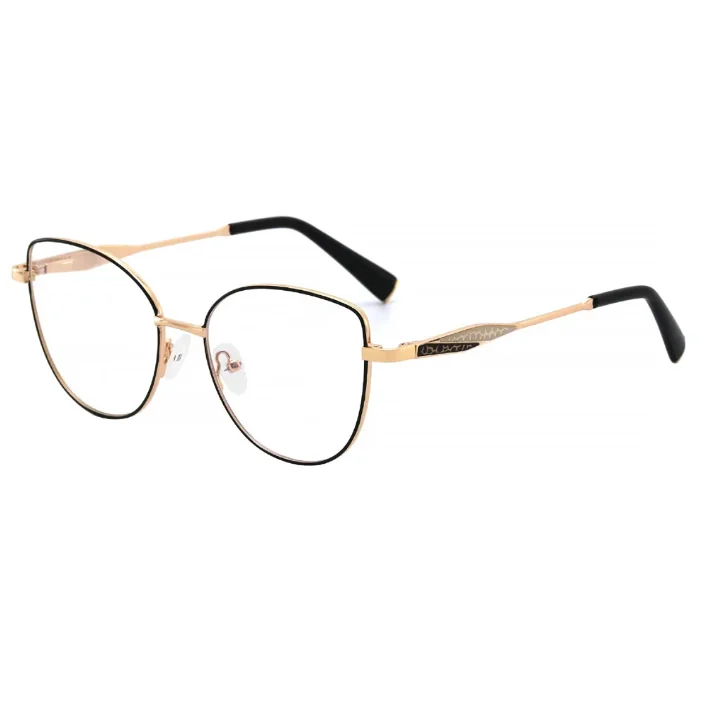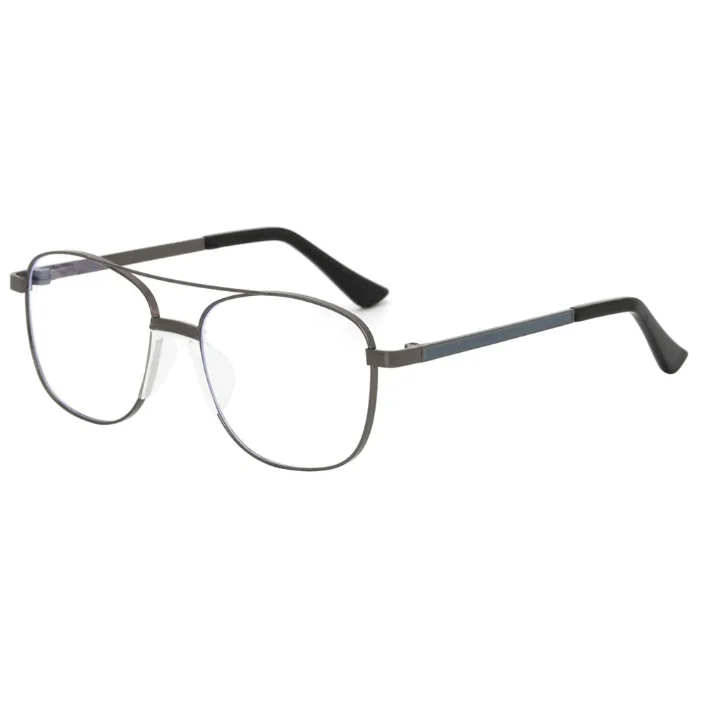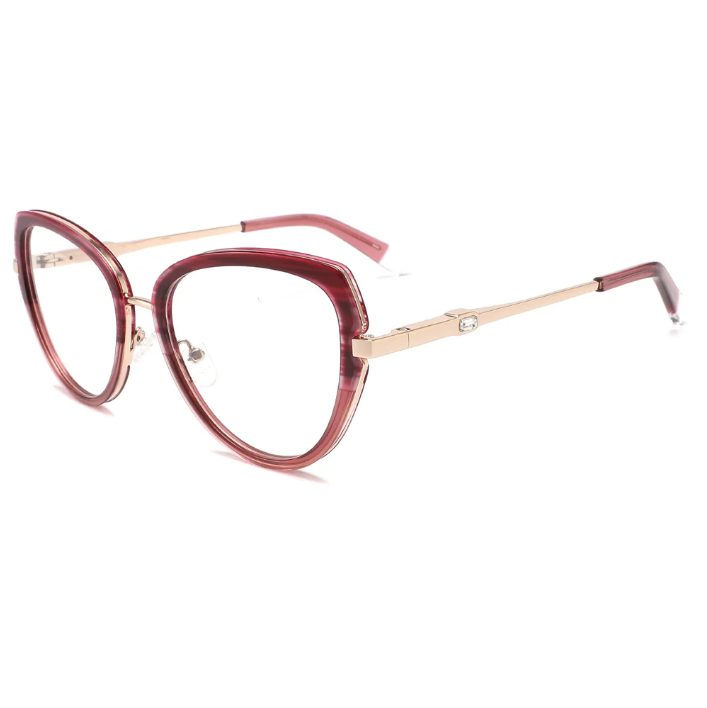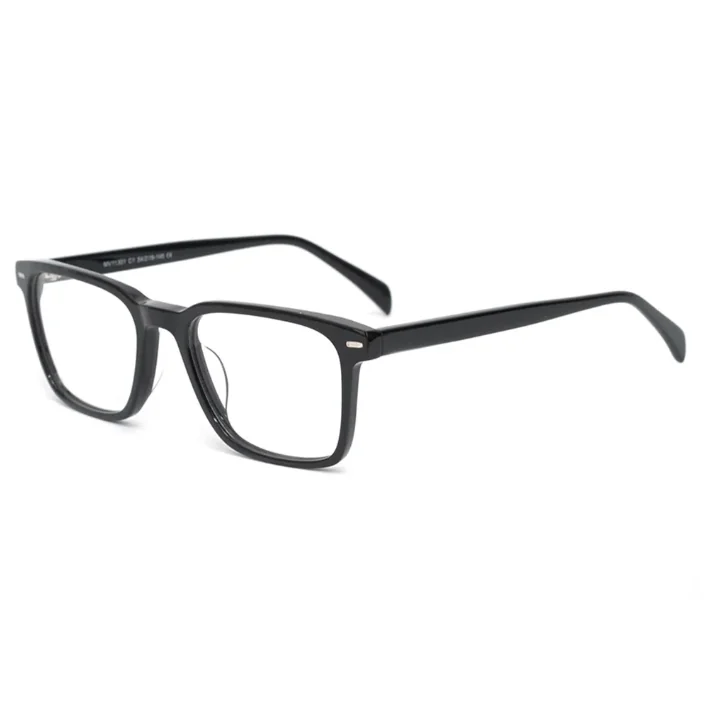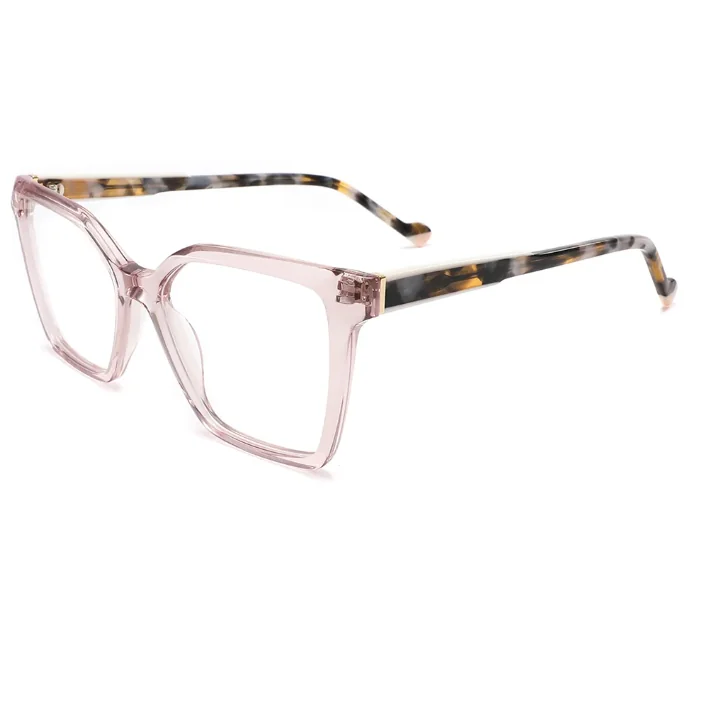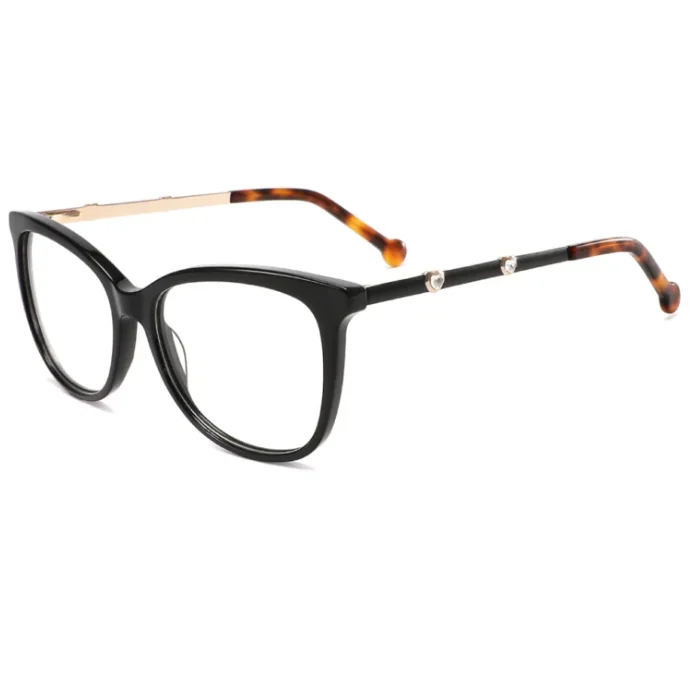
Digital devices have become part of daily work and communication. Many professionals spend long hours using computers, tablets, and other screens, which has increased attention on eyewear designed for screen use. Understanding the materials behind computer eyewear can help businesses select suitable products for their customers. The frame structure, lens material, and coating technology all influence the final wearing experience.
Understanding the Main Materials Used in Blue Light Filtering Glasses
The materials used in blue light filtering glasses usually include lens materials, coatings, and frame materials. Each part has a different function. The lens is responsible for optical performance and light filtering, while the frame affects comfort, durability, and appearance.
Common lens materials include optical resin, polycarbonate, and other lightweight materials. Resin lenses are widely used in daily eyewear because they offer a balance between weight and optical clarity. Polycarbonate lenses are known for their impact resistance and are often selected for active environments.
The blue light filtering function usually comes from a special coating or material added during lens production. These technologies are designed to reduce certain wavelengths of blue light from digital screens. Different manufacturers may use different approaches based on product design and target applications.
Frame materials also influence how glasses feel during long-term use. Metal, acetate, and plastic are common choices in the eyewear industry. Metal frames are often selected for their slim appearance and stable structure, making them suitable for professional and everyday styles.
How Frame Materials Influence Comfort and Design Choices
For wholesale buyers, frame materials are an important consideration when developing eyewear collections. Different markets may have different preferences for weight, style, and durability. Lightweight materials can improve wearing comfort, especially for customers who use glasses for extended periods.
Metal frames are commonly used for optical glasses because they provide a refined appearance and flexible design options. They can be produced in various shapes, including square, round, and rectangular styles. Frame finishing methods also affect the final surface quality and overall appearance.
When selecting materials for computer glasses applications, businesses usually consider both function and style. A suitable frame needs to match daily working environments while maintaining comfortable wearing conditions. This is why material selection is closely connected with customer usage scenarios.
At JHEYEWEAR, we focus on developing eyewear solutions that match different market requirements. Our experience in sunglasses, optical frames, and reading glasses helps us understand the importance of material selection, product design, and quality control for B2B customers.
What Materials Are Used in Business Eyewear Production?
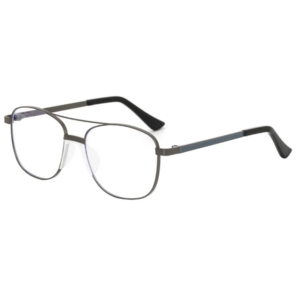
The production of professional eyewear requires attention to both appearance and practical use. For example, the a square metal optical-frame model uses a metal frame structure with a square frame shape. This design is suitable for unisex applications and can be used in professional environments.
The product is designed as an eyeglass frame for customers looking for computer glasses applications. Metal construction can support a lightweight frame design while maintaining a structured appearance. Such designs are commonly considered by eyewear distributors and brands that need practical styles for different customer groups.
Besides material selection, B2B buyers also need to consider supply capability and customization options. A stable production process can support brand development, product updates, and market expansion. Quality inspection during production is also important because it helps maintain consistency between different batches.
Factors Businesses Should Consider When Choosing Eyewear Materials
Material selection is not only about appearance. Businesses should also evaluate product application, customer needs, and supply requirements. For example, eyewear designed for office workers may focus on lightweight construction, while fashion collections may place more attention on frame style and finishing details.
The lens material and coating technology should match the intended usage environment. For screen-related eyewear, buyers may review lens transparency, comfort, and overall design before adding products to their collections.
Production flexibility is another factor for wholesale customers. Different markets may require different colors, frame styles, packaging options, or branding elements. Suppliers with customization experience can help businesses adjust products according to their market plans.
Choosing Suitable Materials for Long-Term Eyewear Development
The materials behind eyewear influence comfort, appearance, and product positioning. From lens composition to frame structure, each element plays a role in creating suitable products for different users. For businesses entering the eyewear market, understanding these details can support better sourcing decisions.
A frame alone does not filter blue light. Buyers should identify whether an offer is frame-only, supplied with demonstration lenses, supplied with non-prescription blue light filtering lenses, or intended for prescription lens fitting, and should request lens-specific performance data for any filtering claim.