Eyewear materials have changed greatly over the past century. Early glasses were mainly designed for practical vision correction, while modern frames have become part of personal style and brand identity. The transition from simple function to fashion expression shows how materials influence eyewear development. Today, acetate glasses are valued by many eyewear businesses because of their design flexibility, comfortable wearing experience, and suitability for different frame styles.
The history of acetate eyewear reflects the relationship between technology, craftsmanship, and market demand. From early industrial applications to modern runway collections, acetate has continued to adapt to changing consumer preferences. At JHEYEWEAR, we follow these industry changes and focus on providing eyewear solutions that support brands, retailers, and professional buyers.
The Early Development of Acetate Materials in Eyewear
Before acetate became popular, many eyewear frames used materials such as metal, horn, or early plastics. These materials had limitations in colour selection, production flexibility, and design possibilities. As demand for more fashionable frames increased, manufacturers began exploring new materials that could combine function with appearance.
Cellulose acetate was developed as a plant-based material that offered more options for eyewear production. Compared with traditional materials, it allowed manufacturers to create different colours, patterns, and surface finishes. This change helped designers move beyond simple frame structures and explore more creative styles.
During the 20th century, acetate gradually became an important choice for premium frame production. The material supported detailed shaping and polishing processes, which made it suitable for brands looking for distinctive designs. This period created the foundation for the modern acetate eyewear market.
How Acetate Changed Eyewear Design and Manufacturing
The growth of acetate changed the way eyewear companies approached frame design. Instead of focusing only on durability, designers could consider colour combinations, frame thickness, and visual balance. This opened new opportunities for fashion brands and optical businesses.
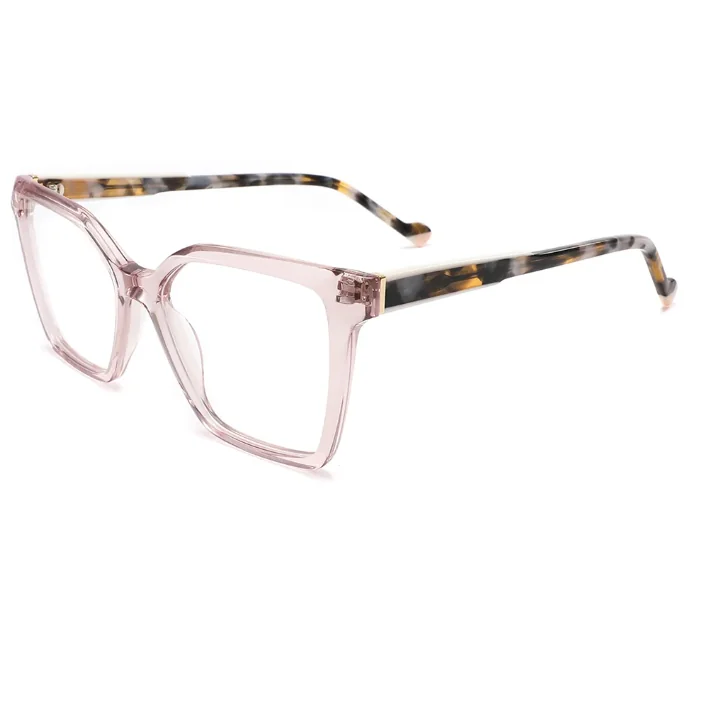
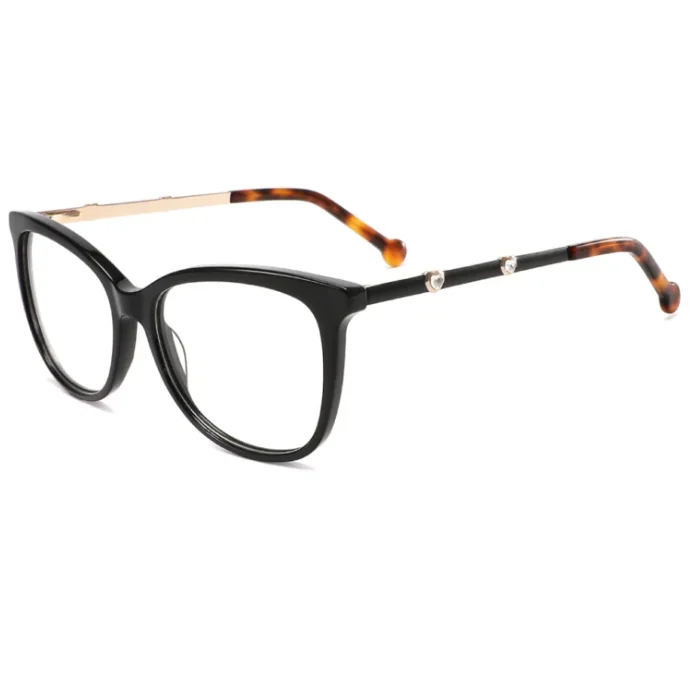
Modern acetate glasses often feature layered colours, transparent effects, and carefully finished surfaces. These characteristics allow brands to develop collections with different visual identities. For B2B buyers, material flexibility is important because it supports seasonal updates and customised product lines.
The manufacturing process also requires attention to details. Cutting, shaping, polishing, and quality inspection all influence the final appearance of acetate frames. A stable production process helps businesses maintain consistent quality when developing larger collections for different markets.
From Optical Function to Fashion Runway Influence
Eyewear gradually moved from a medical accessory to a fashion item. Designers started using glasses as part of complete styling concepts, and acetate frames became common in fashion shows and lifestyle collections. Their ability to support bold shapes and unique colours helped them gain attention in different markets.
Square, round, and oversized frame designs became popular choices for brands targeting various customer groups. The material allowed designers to create both classic and contemporary appearances. This balance between traditional craftsmanship and modern aesthetics continues to influence eyewear trends.
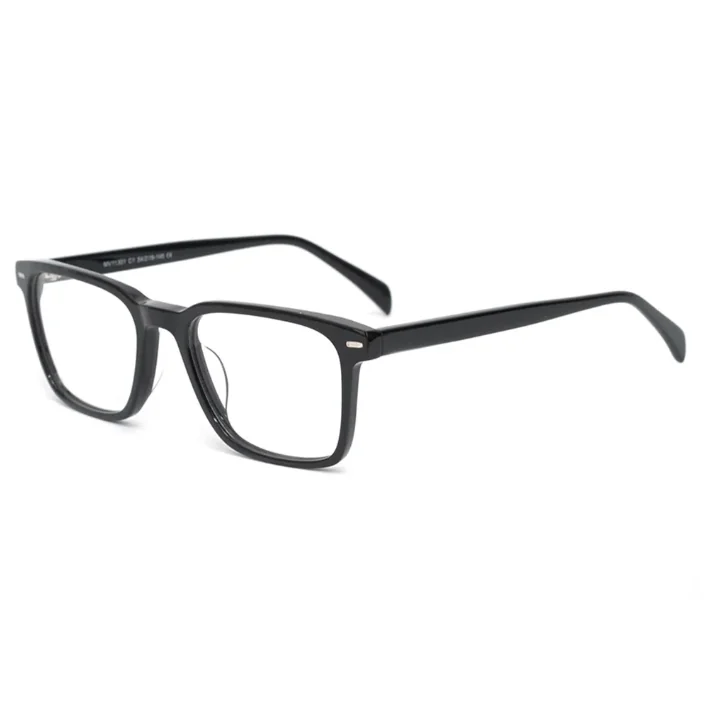
For companies developing private label collections, choosing the right frame material is an important step. We provide products such as a square acetate optical-frame model for private-label projects solutions, including unisex square acetate frames. These frames use acetate materials and support customised eyewear projects for different brand requirements.
Why Acetate Remains Important for B2B Eyewear Projects
Today, eyewear buyers need more than attractive designs. They also consider production capability, supply stability, and customisation support. A reliable supplier should understand material characteristics and help brands develop products that match their market positioning.
The Future Direction of Acetate Eyewear Development
The eyewear industry continues to balance design innovation with practical production needs. Buyers are paying more attention to material quality, responsible sourcing, and flexible cooperation models. Acetate remains relevant because it offers designers a wide range of creative possibilities while meeting the requirements of commercial production.
For wholesale buyers, acetate frames provide opportunities to build collections with different styles and target markets. The combination of material performance, design freedom, and manufacturing experience makes them suitable for optical shops, fashion brands, and eyewear distributors.
With more than 10 years of export experience, JHEYEWEAR works with global partners and provides professional support for eyewear projects. Our factory experience covers materials, production processes, packaging, and customised solutions to help customers develop their own collections.
How Acetate Eyewear Connects History with Modern Markets
Cellulose acetate is cellulose-derived, but that description alone does not mean a finished frame is biodegradable or environmentally preferable. Buyers should separate material origin, additives, manufacturing method, durability, and end-of-life claims when describing acetate products.