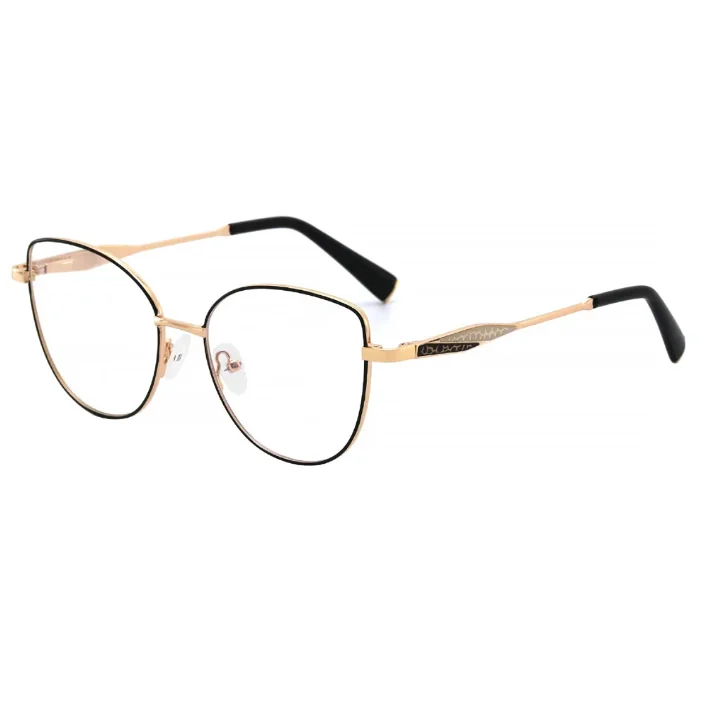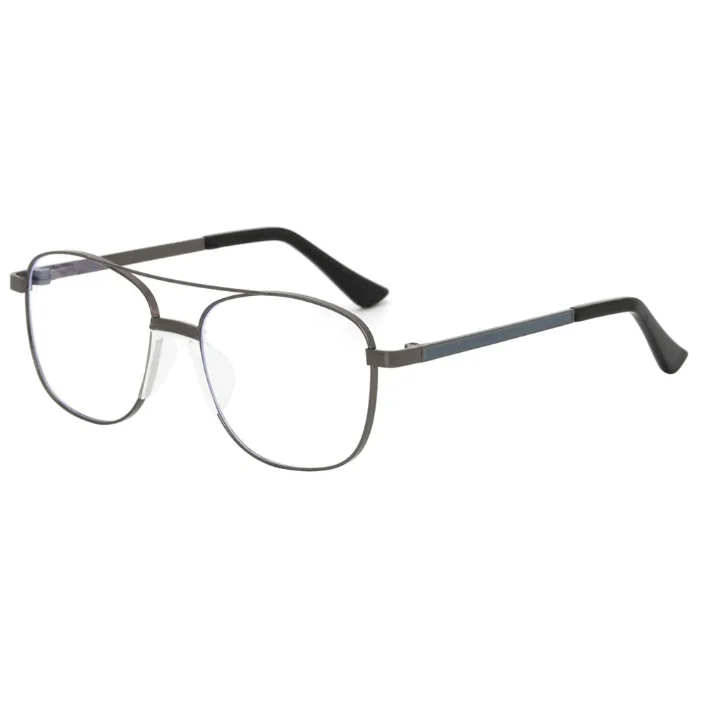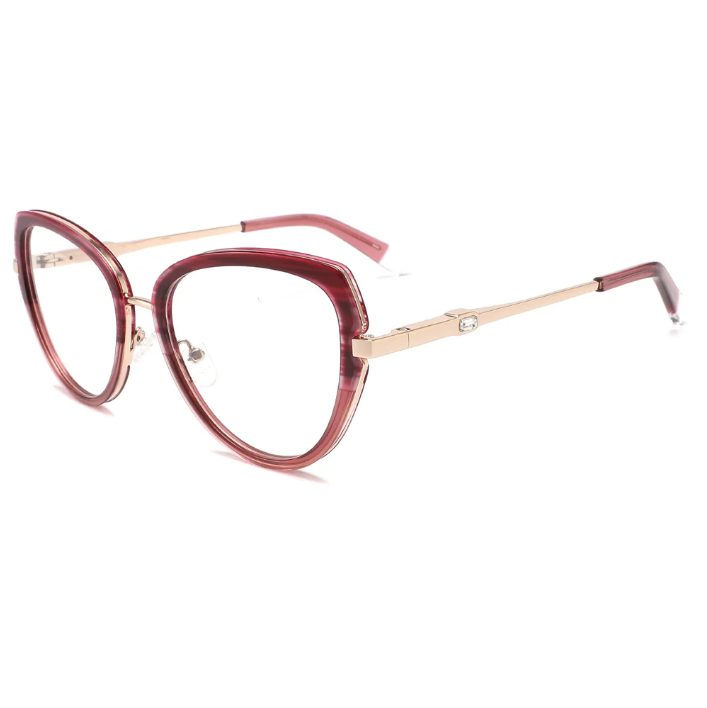
The optical industry continues to change as businesses look for products that combine commercial value with practical supply options. For distributors and optical retailers, profitability depends on more than purchasing prices. Product positioning, frame design, material selection, and supplier support all influence how a collection performs in the market.
When businesses evaluate wholesale designer optical frames, they often focus on whether the products can create value through appearance, quality, and flexible business cooperation. A suitable product strategy helps buyers develop collections that match different customer groups and market requirements.
The Business Logic Behind Higher-Value Optical Frame Sales
Profit margins in the optical sector are closely connected with product differentiation. Basic frames may compete mainly through cost, while designer-oriented products often create value through design details, material features, and market positioning.
For wholesale buyers, frames with attractive designs can provide more opportunities to organize product categories. Different colors, shapes, and materials allow businesses to create collections for different customer preferences instead of relying on a single product style.
A well-planned optical collection also helps businesses manage inventory more effectively. Buyers can select products based on customer demand, seasonal trends, and sales channels. This approach allows companies to balance product variety with purchasing efficiency.
The profitability of optical frames is not only determined during sales. Production stability and supplier cooperation also affect long-term business results. A supplier that understands market needs can provide more suitable solutions for ongoing product development.
What Wholesale Buyers Should Evaluate Before Expanding Frame Collections
Before expanding an optical frame collection, buyers usually review several business factors. Product quality, order flexibility, delivery time, and customization ability are important considerations during supplier evaluation.
For distributors, a diverse product range can help serve different markets. Optical shops may need fashionable styles, while brand owners may require customized designs that reflect their own identity. Understanding these differences helps buyers select suitable product solutions.
At JHEYEWEAR, we work with global distributors and optical businesses that need reliable frame production support. We provide OEM and ODM services to help customers develop products according to their market plans, including design adjustments and packaging solutions.
Supplier communication is also important for wholesale projects. Clear discussions about materials, quantities, production schedules, and product requirements can reduce unnecessary delays during the cooperation process.
Material and Production Choices That Affect Profit Potential
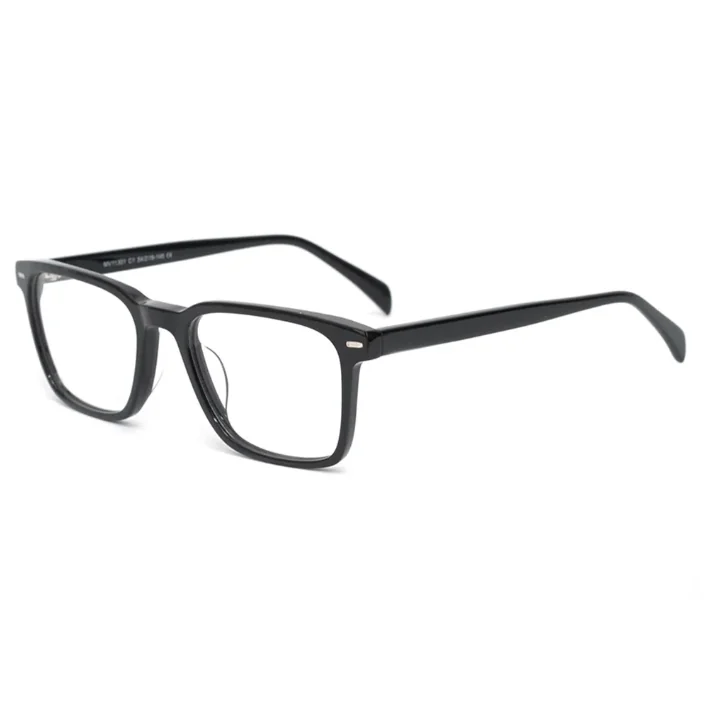
Material selection directly influences the appearance and value of optical frames. Different materials provide different design possibilities, and acetate has become a common choice for businesses that need flexible styling options.
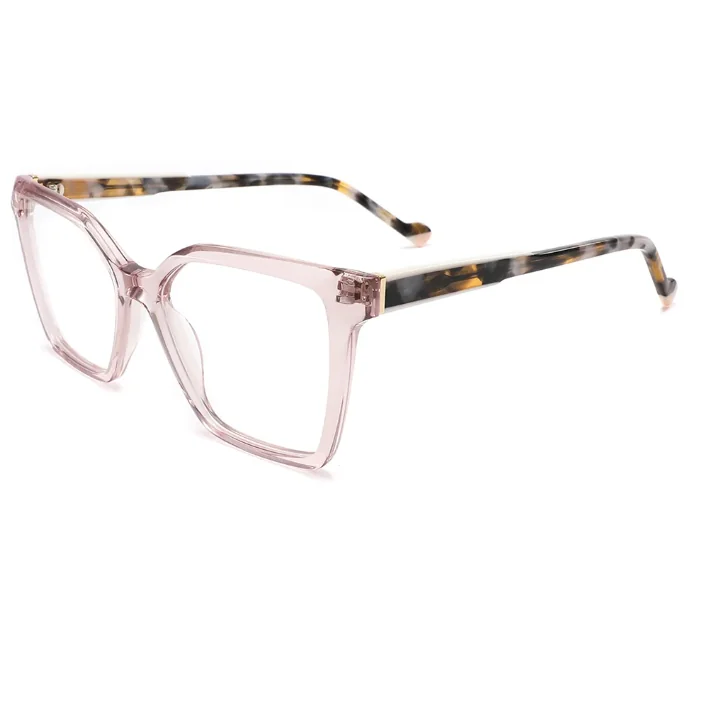
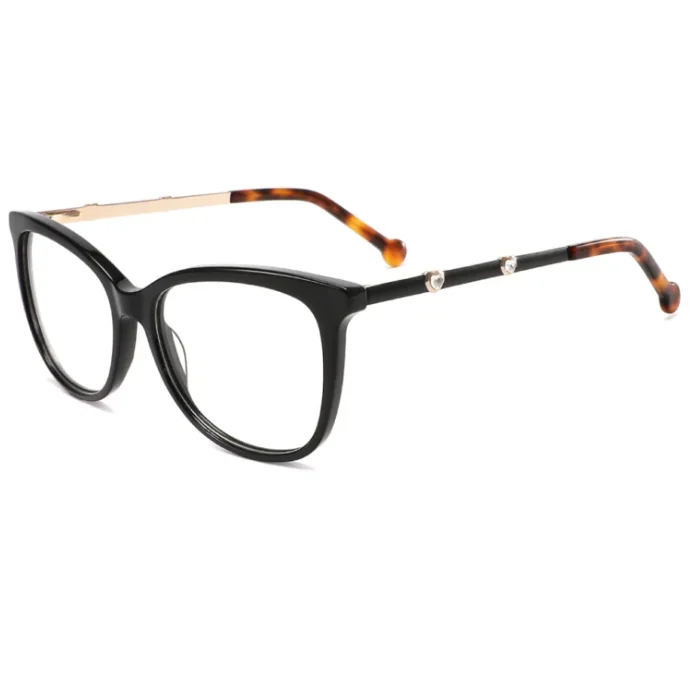
One laminated acetate optical-frame model is offered designed for optical distributors and wholesale buyers. These frames use acetate material with a square frame shape and unisex design, making them suitable for various market applications.
Production details also affect the overall purchasing experience. Frame structure, surface finishing, and appearance inspection are important steps during manufacturing. Consistent production standards help buyers maintain stable product quality across different orders.
For businesses considering wholesale designer optical frames, material evaluation is an important part of product planning. Buyers need to understand how materials, design, and manufacturing methods influence the final product value.
Customization Creates More Opportunities for Brand Differentiation
Customization allows businesses to develop products that better match their own market positioning. Many optical brands and distributors prefer personalized solutions because they can create collections with specific visual features.
We support logo printing, color development, and packaging solutions for customers around the world. These services allow buyers to adjust product details based on their brand requirements and sales strategies.
OEM and ODM cooperation can also provide more flexibility for product updates. Businesses can discuss frame styles, materials, and packaging options with suppliers to create products that fit their target markets.
For customized orders, our production process starts with understanding customer requirements and confirming product details. This helps organize manufacturing steps and maintain communication throughout the project.
Managing Supply Efficiency for Sustainable Optical Business Growth
Supply efficiency has a direct connection with business planning. Wholesale buyers need to consider order quantities, delivery schedules, and inventory management when selecting products.
For stock products, our MOQ starts from 300 pcs, which provides a practical option for buyers who want to test market demand. Customized products require a MOQ of 300–600 pcs/model to support personalized production requirements.
We also provide different delivery arrangements according to order types. Stock products can usually be shipped within 3–5 days, while customized products generally require 15–40 days depending on styles and quantities.
Quality inspection is included during production to help maintain product consistency. With more than 10 years of export experience, JHEYEWEAR understands the requirements of international customers and provides production support for different markets.
Building Profitable Partnerships Through Better Frame Solutions
A profitable optical business requires careful planning across products, production, and supply management. Buyers need to consider not only the appearance of frames but also materials, customization options, and supplier capabilities.
Design-focused frames do not automatically generate a higher margin. Commercial value depends on differentiation, landed cost, expected retail price, sell-through, return rate, and reorder potential; buyers should model these factors before expanding the assortment.