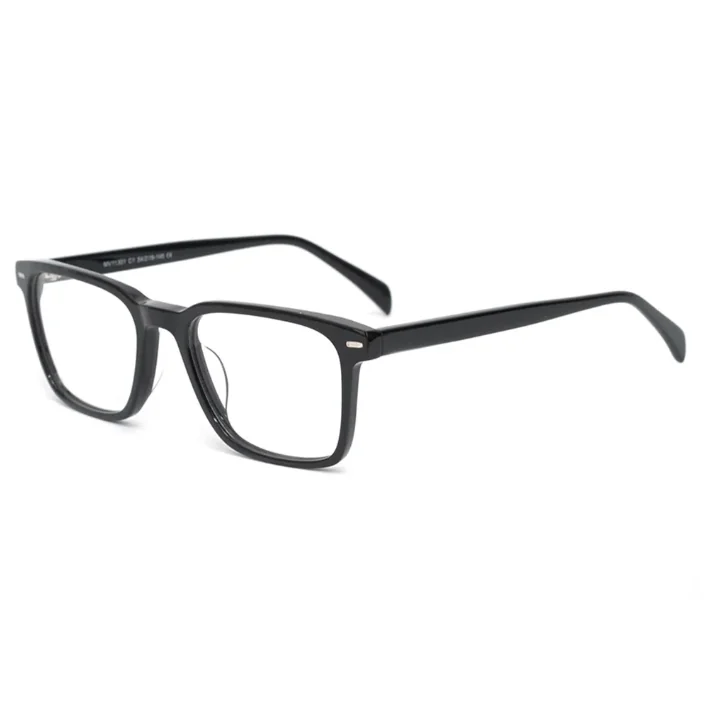
Eyewear production involves multiple stages, from material selection and frame shaping to surface finishing and quality inspection. Understanding these steps helps buyers and distributors evaluate product quality, production capability, and customization options when sourcing optical frames.
For businesses exploring acetate glasses, knowing how frames are produced can provide useful insights into material features, manufacturing methods, and supplier capabilities. The process combines craftsmanship with modern production techniques to create frames that meet different market requirements.
Material Selection and Preparation for Optical Frame Production
The first step in making acetate frames is selecting suitable raw materials. Acetate is widely used in eyewear because it offers flexibility, color variety, and a comfortable wearing experience. Manufacturers usually choose acetate sheets based on thickness, color design, and application requirements.
During production planning, factories need to check the material quality before cutting. The acetate sheets should match the frame design and production requirements. Proper preparation helps reduce material waste and supports stable manufacturing processes.
Unlike simple plastic materials, acetate can be processed into different textures and patterns. This allows brands and distributors to develop optical frames with various visual styles while maintaining practical functions for daily use.
For companies looking for customized eyewear solutions, understanding material selection is important. It helps buyers communicate product expectations with suppliers and select suitable frame structures for different customer groups.
Cutting and Shaping Process of Acetate Frames
After material preparation, manufacturers begin the cutting process. Computer-controlled machines are often used to cut acetate sheets into basic frame shapes according to design drawings. This stage creates the initial structure of the frame.
The rough-cut frame then goes through several shaping steps. Workers adjust the edges, curves, and surface details to achieve the required appearance. Careful processing is needed because frame dimensions influence both comfort and lens installation.
The production of acetate glasses usually includes polishing procedures after shaping. Polishing helps improve the surface feel and creates a smoother finish. Different polishing methods may be applied depending on the frame style and material characteristics.
For round frames and other classic designs, manufacturers need accurate control of curves and proportions. These details affect the overall balance of the eyewear and the final wearing experience.
Assembly and Quality Inspection Before Delivery
Frame assembly is another important stage in eyewear manufacturing. Components such as hinges, temples, and front frame parts need to be connected correctly. Workers inspect the structure to check whether the frame opens and closes smoothly.
Quality inspection usually covers appearance, frame alignment, surface condition, and functional performance. A detailed inspection process helps identify issues before products reach distributors or brand customers.
At JHEYEWEAR, we focus on supporting B2B buyers with practical eyewear manufacturing services. Our production experience covers optical frames and other eyewear products, with OEM/ODM support available for customers who need customized designs.
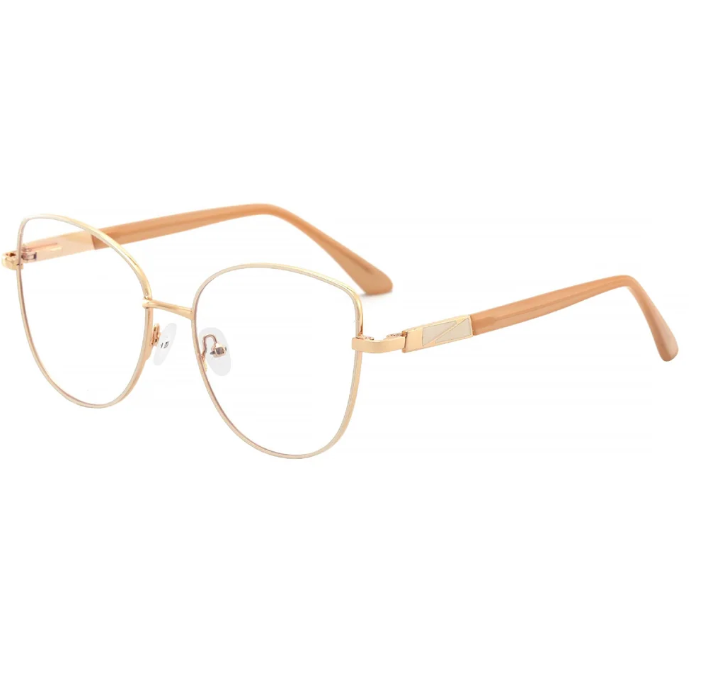
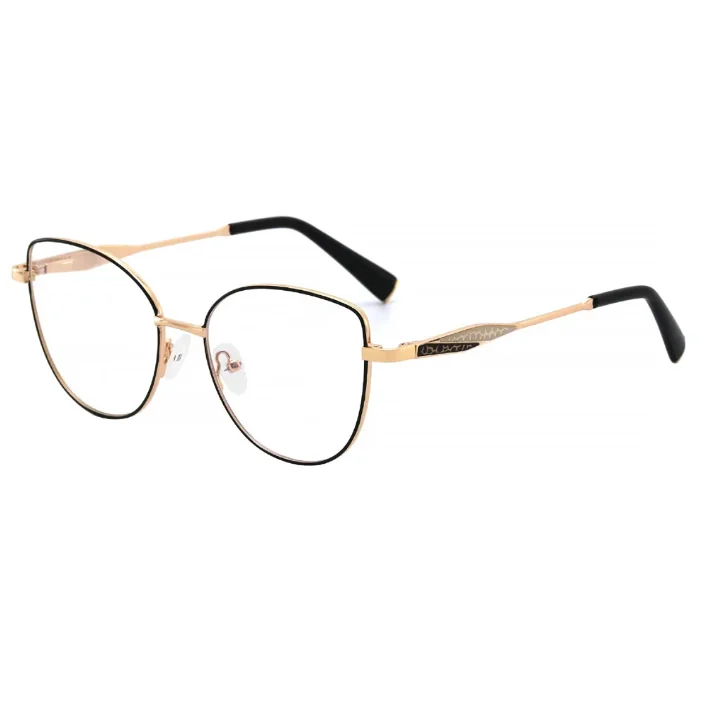
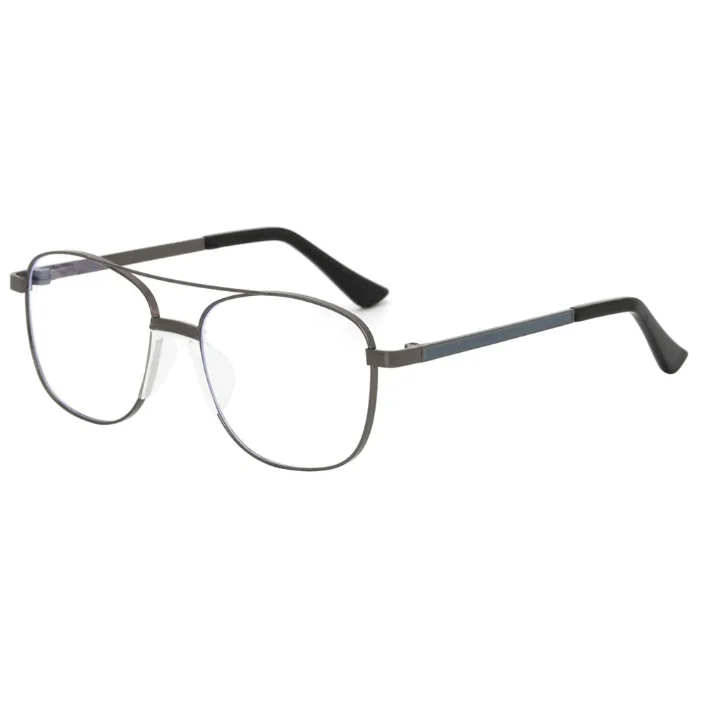
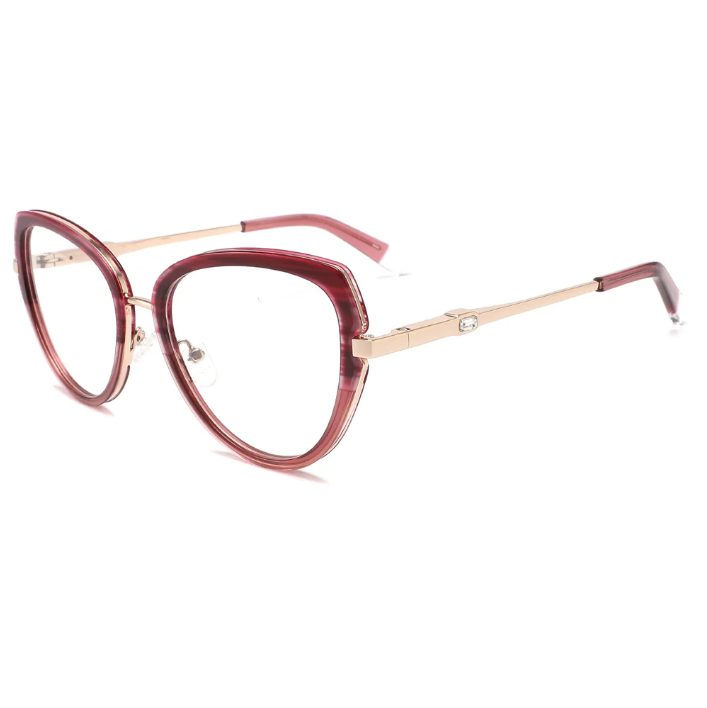
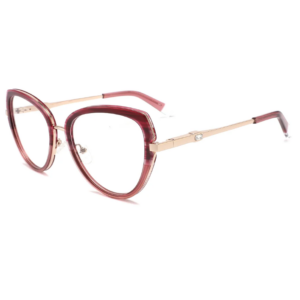
One acetate optical-frame manufacturing option uses metal and acetate laminated optical frames made from durable metal and acetate materials. These unisex round eyeglass frames are designed for distributors, importers, and eyewear brands that require flexible production support.
Customization Options for Wholesale Eyewear Buyers
Customization has become an important part of eyewear sourcing. Many brands need frames with specific colors, logos, packaging styles, or design adjustments to match their market positioning.
A reliable supplier should provide clear communication throughout the customization process. This includes design confirmation, sample evaluation, production arrangement, and final inspection before shipment.
Why Understanding Manufacturing Helps Eyewear Sourcing Decisions
For wholesalers and importers, understanding how frames are made can support better purchasing decisions. Production methods, material choices, and inspection standards all influence the final product quality and market response.
Different eyewear categories require different manufacturing approaches. Buyers should consider frame materials, supplier experience, customization ability, and delivery arrangements when developing long-term cooperation.
With more than 10 years of export experience, JHEYEWEAR works with international customers and understands the requirements of different markets. We provide eyewear manufacturing solutions that include product development support and quality management for B2B partners.
From Raw Material to Finished Eyewear Products
The manufacturing process of acetate glasses includes material preparation, precision cutting, frame shaping, polishing, assembly, and inspection. Each step plays a role in creating functional and comfortable optical frames.
For eyewear distributors and brands, learning about these processes can help them communicate better with manufacturers and select suitable products for their target markets. A clear understanding of production methods also supports more efficient cooperation.
When reviewing acetate production, buyers can ask to see the approved material sheet, cutting layout, dimensional checks, hinge installation method, polishing stages, frame alignment checks, and the final approved sample. The exact sequence may vary by design and factory process.