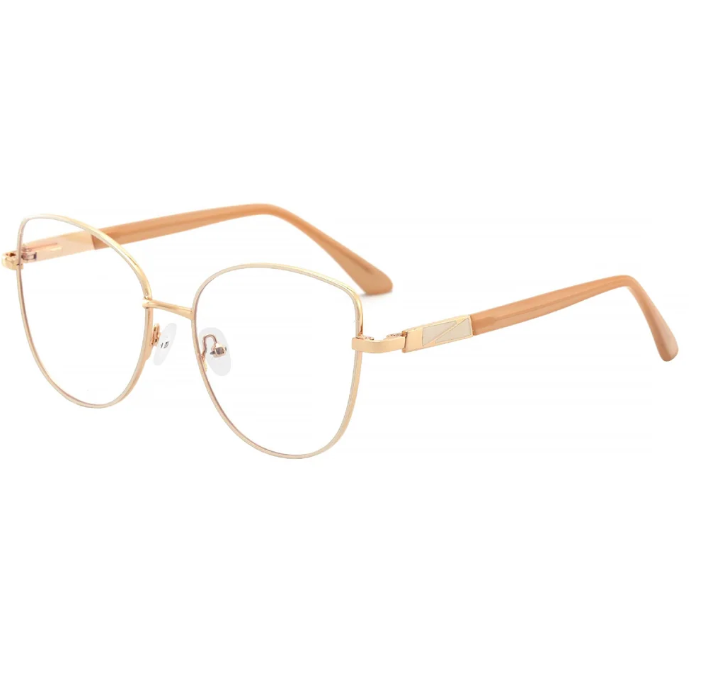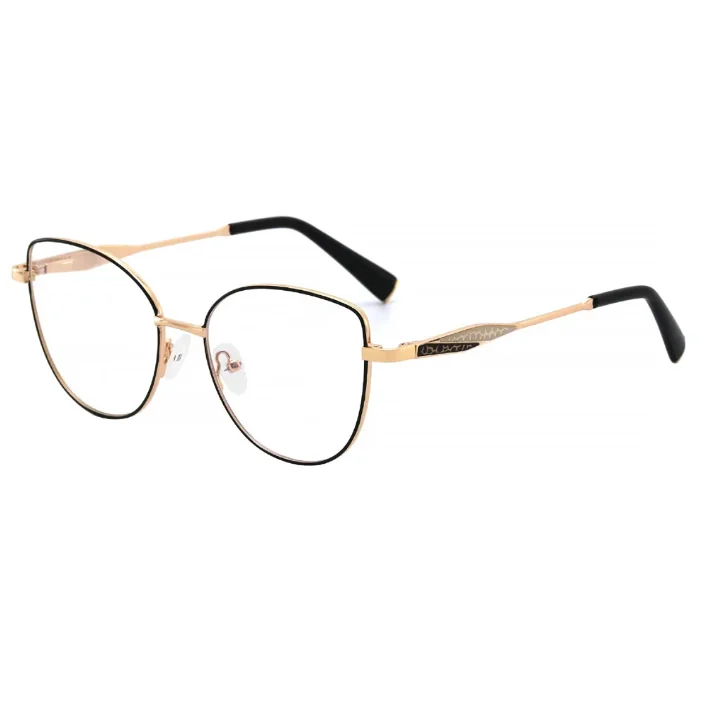
As sustainability becomes a more important consideration across the eyewear industry, many buyers are paying closer attention to eco-friendly eyewear glasses when selecting suppliers and developing new collections. For eyewear chains, optical retailers, pharmacies, supermarkets, and fashion accessory brands, choosing sustainable products is no longer only about materials. It is also about supply chain transparency, product consistency, customization flexibility, and long-term commercial viability. We have seen that manufacturers participating in OEM supply chains must differentiate themselves through a combination of material innovation, production capability, and quality management rather than relying on simple environmental claims.
At JHEYEWEAR, we work with wholesale buyers from different markets and understand that sustainable eyewear projects often require a balance between environmental goals, retail pricing, delivery schedules, and product performance. Understanding how manufacturers create this differentiation can help buyers make more informed sourcing decisions.

Material Selection and Product Development Create the First Layer of Differentiation
One of the most visible ways manufacturers distinguish themselves is through material selection. When we communicate with importers sourcing eco-friendly eyewear glasses, we always sort out material differences for them. Not all sustainable eyewear products are produced from the same raw materials, and buyers should understand the differences. Some factories use recycled plastics, while others focus on bio-based materials derived partly from renewable resources. Material composition affects appearance, durability, flexibility, processing requirements, and end-user experience.
In our product development process, we offer bio-based eyewear frames designed for OEM projects. These frames are produced using materials that incorporate renewable biological resources while maintaining the structural characteristics expected in everyday eyewear products. For retailers and brands, this allows sustainability initiatives to be integrated into commercial product lines without significantly changing consumer expectations regarding comfort or durability.
However, materials alone do not create true differentiation. At JHEYEWEAR, we understand that manufacturers must also demonstrate the ability to transform those materials into commercially viable products. In our production process, design adaptation, color matching, logo application, surface finishing, and packaging coordination all influence the final result. From our experience, buyers looking for eco-friendly eyewear glasses often find that the most successful OEM programs come from suppliers that understand both sustainability requirements and practical retail demands. This combination helps product collections meet environmental objectives while remaining suitable for large-scale distribution.
OEM Flexibility and Supply Chain Management Influence Buyer Success
Another important differentiator within OEM supply chains is operational flexibility. At JHEYEWEAR, we have found that sustainable eyewear projects frequently require customization because brands want products that reflect their own market positioning. Our ability to support OEM and ODM services therefore plays a significant role in project outcomes.
From our experience, buyers typically require support in several areas, including frame design modifications, material recommendations, branding applications, packaging development, and product line planning. These services require coordination among design, sourcing, manufacturing, and quality control teams. A supplier with established processes can often help reduce communication challenges during product development.
Supply chain management is equally important. At JHEYEWEAR, we understand that sustainable materials may involve different procurement processes compared with conventional materials. By maintaining stable sourcing channels, we help reduce supply disruptions and improve production planning. From our experience, for wholesale buyers, predictability is often as valuable as innovation.
At JHEYEWEAR, we have accumulated more than ten years of export experience serving international customers. During this period, we have learned that different markets may have different compliance requirements, packaging expectations, and product preferences. By integrating these considerations into our project management, we support our customers throughout various stages of product development. We also maintain selected stock programs that can typically be shipped within 3 to 5 days, while supporting customized orders with delivery timelines that generally range from 7 to 45 days depending on design complexity and order volume.
From our experience working with global buyers, we have found that when evaluating suppliers of eco-friendly eyewear glasses, it is important for customers to look beyond product samples and assess how manufacturers manage sourcing, customization, scheduling, and communication across the entire supply chain.
Quality Control, MOQ Planning, and Long-Term Cooperation Matter
A third area where manufacturers differentiate themselves is quality assurance. At JHEYEWEAR, we have found that sustainable materials do not automatically guarantee reliable products, and consistent production standards remain essential regardless of material type.
From our perspective, quality control directly affects return rates, customer satisfaction, and inventory management for wholesale buyers. We implement inspection procedures covering raw materials, production processes, assembly, and final packaging. Frame alignment, hinge performance, surface finish consistency, and dimensional accuracy all contribute to overall product quality. These factors become particularly important when products are distributed through multiple retail locations.
Minimum order quantity planning is another practical consideration. At JHEYEWEAR, we provide different MOQ arrangements according to product type and customization requirements. For stock products, MOQ typically starts from 100 pairs, making it easier for customers to test new sustainable collections or replenish inventory. For customized projects, MOQ generally starts from 1200 pairs, supporting efficient production and future business expansion. We believe this approach helps our customers transition smoothly from initial orders to higher-volume purchasing programs as market demand grows.
In addition, manufacturers that offer diverse style options can provide greater commercial flexibility. Retailers often require different frame shapes, colors, and collections to serve multiple customer segments. A broad product portfolio makes it easier to build cohesive sustainable product lines while maintaining variety. From our perspective, successful OEM partnerships are built through continuous communication, realistic planning, and reliable execution. These factors often have a greater impact on long-term project success than marketing claims alone.
Conclusion: Looking Beyond Materials When Evaluating Sustainable Eyewear Manufacturers
When buyers evaluate suppliers for sustainable eyewear projects, we believe it is important to understand that differentiation extends far beyond raw materials. While eco-friendly eyewear glasses attract growing interest across global markets, at JHEYEWEAR we have found that successful OEM programs depend on a broader combination of factors. From our experience, material expertise, product development capability, OEM and ODM flexibility, supply chain management, quality control systems, MOQ planning, and export experience all contribute to supplier performance.
At JHEYEWEAR, we believe that sustainable eyewear manufacturing should combine environmental considerations with practical business requirements. By supporting customization, maintaining quality standards, offering bio-based frame solutions, and leveraging extensive export experience, we aim to help wholesale customers develop products that align with both sustainability goals and market expectations. For brands and retailers seeking long-term OEM partners, evaluating these operational capabilities can provide a more complete understanding of how manufacturers truly differentiate themselves within modern supply chains.