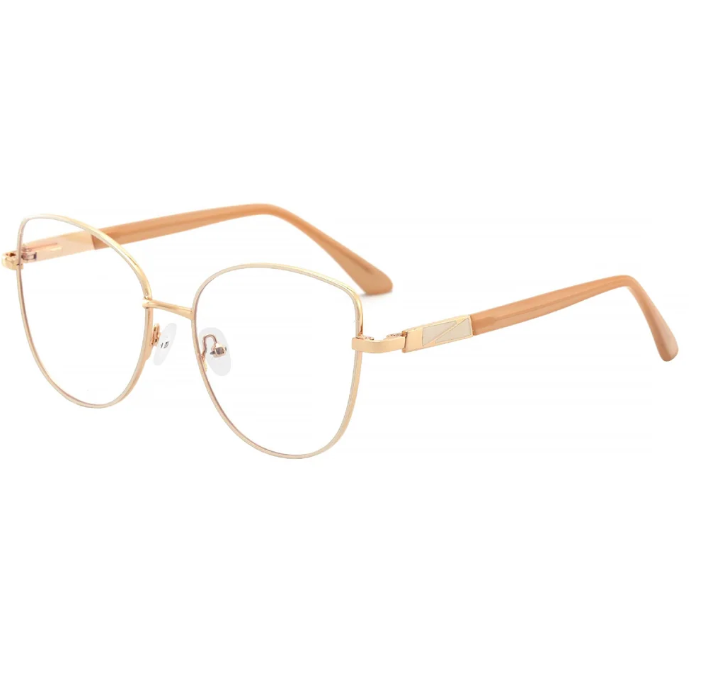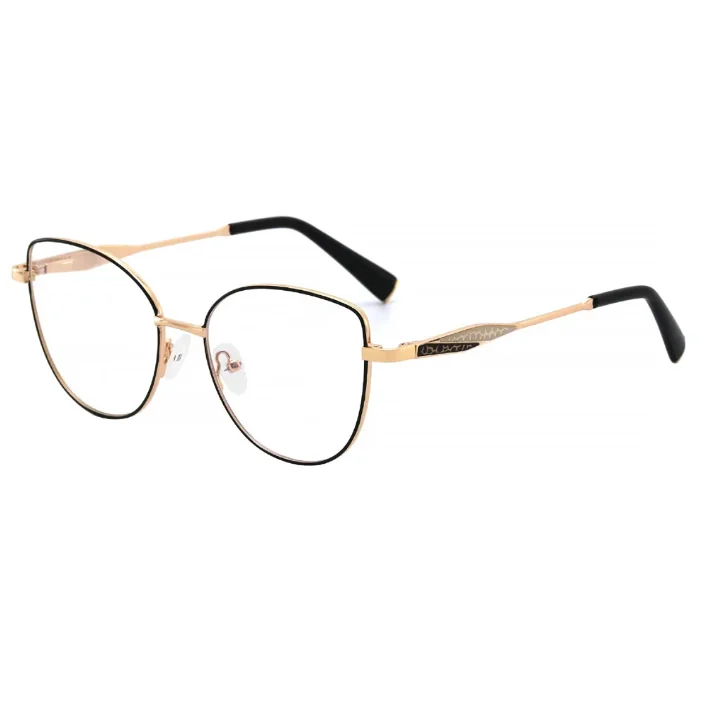
As environmental concerns continue to influence purchasing decisions across many industries, demand for eco-friendly glasses has grown among optical retailers, fashion accessory brands, pharmacies, and wholesale distributors. At HEYEWEAR, we have seen that many business buyers now want to understand not only the appearance and functionality of eyewear but also the materials behind the products they stock. One common question we receive is: what materials are most used in eco-friendly eyewear production?
The answer depends on the balance between sustainability, durability, comfort, and production efficiency. Different materials offer different advantages, and manufacturers must carefully select them based on product positioning and customer requirements. At JHEYEWEAR, we have worked with international wholesale customers for more than a decade and have seen increasing interest in environmentally conscious eyewear collections. Understanding the materials commonly used in sustainable eyewear production can help buyers make more informed sourcing decisions and better meet market expectations.

Recycled Plastics and Bio-Based Materials in Modern Eyewear
Among the most widely used materials in sustainable eyewear manufacturing are recycled plastics. We source certified recycled plastics for our eco-friendly glasses line. Recycled plastics are often sourced from post-consumer or post-industrial waste streams and processed into new frame materials. By reusing existing resources, manufacturers can reduce the demand for virgin plastic production while extending the lifecycle of usable materials.
Another important category is bio-based materials. At JHEYEWEAR, we work with bio-based alternatives that differ from conventional petroleum-derived plastics and are partially or fully produced from renewable resources such as castor oil, corn-based compounds, or other plant-derived materials. These materials can provide flexibility, durability, and lightweight performance while helping brands develop more environmentally conscious product lines.
From our experience, it is important for wholesale buyers to understand that sustainability should not compromise product quality. Materials used in eyewear must withstand daily wear, temperature changes, and handling during transportation. This is why we conduct material testing before production. When developing collections of eco-friendly glasses, buyers often evaluate both environmental benefits and long-term product reliability.
In addition to frame materials, we also explore sustainable packaging solutions. Recyclable paper boxes, reusable pouches, and reduced packaging designs are becoming increasingly common in eyewear programs targeting environmentally aware consumers. Although packaging is only one part of the supply chain, we believe it still contributes to the overall sustainability strategy of a product line.
Natural Materials and Their Role in Eco-Friendly Eyewear
Natural materials are another important segment of sustainable eyewear production. At JHEYEWEAR, we work with materials such as bamboo, which is frequently used because of its rapid growth cycle and renewable nature. It can provide a distinctive appearance that appeals to customers looking for products with a natural aesthetic.
Wood is also used in selected eyewear collections. In our production experience, different wood species offer unique grain patterns, making each frame visually distinctive. However, wood-based frames often require careful processing to ensure durability and comfort. We apply proper treatment and finishing to help the material resist moisture and daily wear.
We also incorporate natural fibers into certain composite material applications. By combining plant-based fibers with modern manufacturing techniques, we are able to create lightweight frames while reducing dependence on traditional plastics.
From our experience serving B2B customers, material selection should always align with market positioning. Some retailers prefer lightweight bio-based frames for everyday optical use, while others focus on fashion collections featuring natural textures and distinctive finishes. The growing popularity of sustainable products has encouraged many buyers to expand their offerings of eco-friendly glasses across multiple price segments and retail channels.
When evaluating suppliers, we believe buyers should also consider production capabilities. At JHEYEWEAR, we understand that material sourcing is only one aspect of successful eyewear manufacturing. Consistent quality control, production expertise, and stable supply chains are equally important factors when building long-term product programs.
Manufacturing Considerations Beyond Material Selection
While material choice receives significant attention, we believe that successful sustainable eyewear production also depends on manufacturing processes. At JHEYEWEAR, we find that efficient production planning can help reduce waste, while strict quality inspection standards help ensure product consistency.
Our company provides wholesale sunglasses and optical frame solutions for global customers. One example is our eco-friendly sunglasses collection developed for bulk orders. These products are designed with environmentally conscious materials while maintaining the durability and appearance expected in commercial retail environments. Many customers choose such collections when expanding their sustainable product categories.
At JHEYEWEAR, we also support OEM and ODM projects, allowing our customers to customize frame shapes, colors, logos, packaging, and other product details. Depending on style complexity and order volume, customized production lead times generally range from approximately 7 to 45 days. For customers requiring rapid replenishment, selected products are available from inventory for faster shipment within 3 to 5 days.
Material verification, incoming inspections, production monitoring, and finished-product quality checks all play important roles in maintaining consistency throughout our manufacturing process. We use these procedures to ensure that sustainable materials are transformed into reliable products suitable for large-scale retail distribution. From our experience working with wholesalers, we have found that stable quality is often just as important as the environmental characteristics of the materials themselves.
Conclusion: Understanding the Foundations of Sustainable Eyewear
The most commonly used materials in sustainable eyewear production include recycled plastics, bio-based materials, bamboo, wood, and various natural-fiber composites. Each material offers unique advantages, and the appropriate choice depends on product goals, target customers, durability requirements, and design preferences.
As demand for environmentally responsible products continues to expand, we have seen that many retailers and distributors are increasing their investment in eco-friendly glasses collections. From our perspective at JHEYEWEAR, successful sourcing requires more than selecting a sustainable material. Buyers should also evaluate manufacturing capabilities, quality assurance systems, customization options, supply stability, and delivery performance.
By understanding the strengths and limitations of different materials, we believe wholesale buyers can make more informed purchasing decisions and develop eyewear collections that align with both business objectives and evolving market expectations. In our experience, sustainable eyewear is ultimately the result of thoughtful material selection, responsible manufacturing practices, and long-term product quality management.