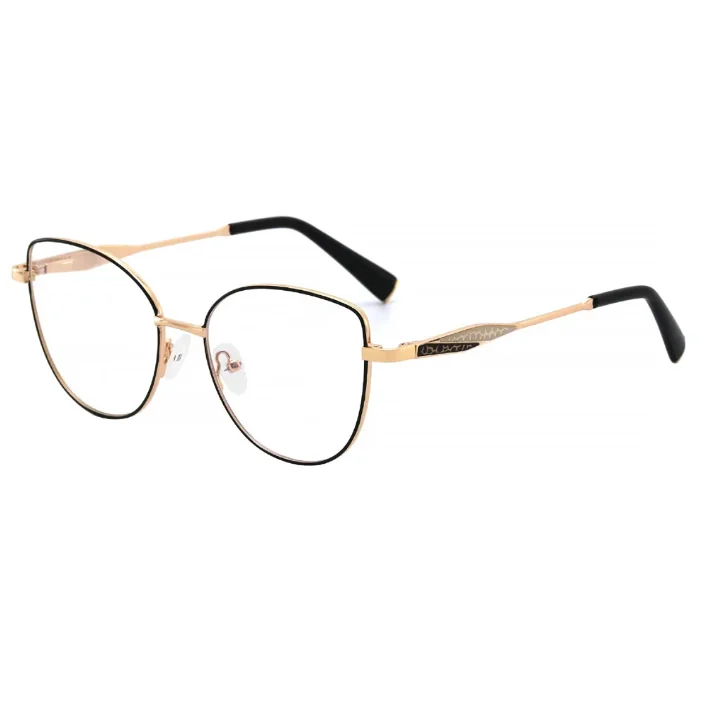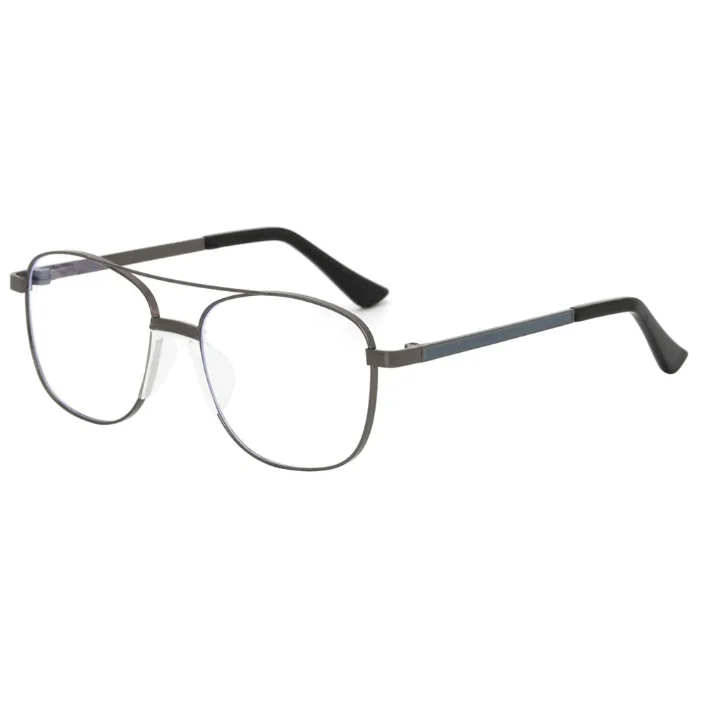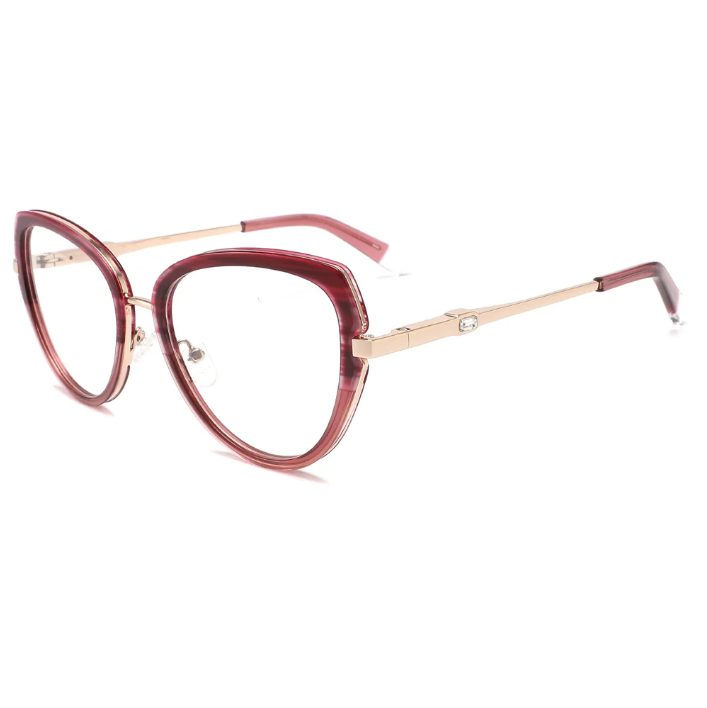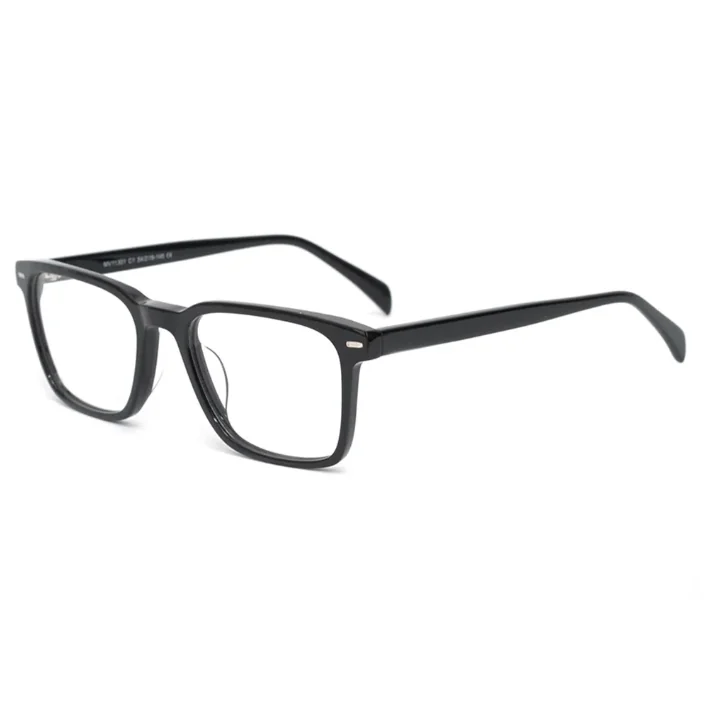
Small retailers often need to balance product variety, inventory cost, and customer demand when managing their eyewear business. Reading glasses are daily-use products with different strengths, styles, and price expectations, so purchasing decisions require careful planning. Working with suitable reading glasses wholesale suppliers can help retailers access flexible sourcing options and build a product selection that matches their market needs.
For small retailers, a reliable supply relationship is not only about receiving products. It also involves production support, order flexibility, quality management, and communication efficiency. These factors can influence how retailers update their collections and respond to changing customer preferences.
Understanding the Real Challenges Behind Small Retailers’ Reading Glasses Selection
Small retailers usually face different challenges compared with large chains. They may need to manage limited storage space while still offering enough choices for customers. Ordering too much inventory can increase pressure, while ordering too little may limit product variety.
Reading glasses also require attention to practical details. Different users may need different lens strengths, frame designs, and wearing experiences. Retailers need suppliers that can provide product options without creating unnecessary inventory risks.
For businesses entering or expanding in the eyewear market, cooperation with reading glasses wholesale suppliers can provide more flexible purchasing solutions. Suppliers with production experience can help retailers understand product categories, materials, and ordering methods.
Another important factor is product consistency. Retailers depend on stable quality because repeated customer complaints may affect their reputation. Therefore, suppliers need to pay attention to materials, production processes, and inspection procedures during manufacturing.
How Flexible Supply Models Reduce Inventory Pressure
Order flexibility plays an important role for small retailers. Different businesses have different sales volumes, so purchasing plans need to match actual demand. Smaller starting quantities allow retailers to test market response before expanding their inventory.
We support different purchasing needs through flexible order options. At JHEYEWEAR, stock products are available with a minimum order quantity of 300 pcs, while customised products start from 300–600 pcs/model. This approach allows customers to select between ready-to-ship products and private label development based on their business plans.
Customisation is also becoming an important part of retail development. Many businesses want products that reflect their own brand identity. logo customisation and OEM/ODM services can help retailers create products that fit their market positioning.
Production schedules are another consideration during sourcing. Stock products can be shipped within 3–5 days, while customised products usually require 15–40 days depending on the style and quantity. Clear delivery planning helps retailers arrange inventory preparation more effectively.
Product Design Choices That Influence Retail Performance
Product design affects how reading glasses perform in different retail environments. Frame material, shape, comfort, and available strengths all influence product selection. Retailers often need products that combine practical use with designs suitable for different customer groups.
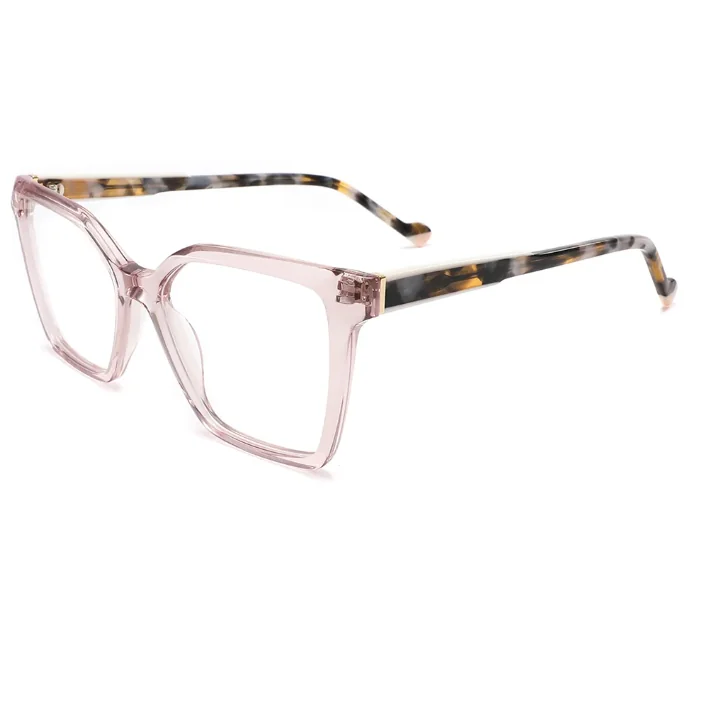
Plastic frames are widely used in reading glasses production because they provide lightweight wearing characteristics and support efficient manufacturing. One square plastic reading-glasses model offered for wholesale programs features plastic frames, square frame designs, and multiple strength options for wholesale purchasing needs.
For retailers, choosing suitable frame designs can improve product display and category planning. Square frames, for example, offer a classic appearance that can match different customer preferences. Offering several styles allows stores to create a more balanced product range.
Material selection also affects production and supply planning. Plastic frames can support large-scale production requirements, making them suitable for retailers that need consistent supply. Suppliers with manufacturing capabilities can provide better coordination between design, production, and delivery.
Why Communication and Production Support Matter for Long-Term Cooperation
A successful supplier relationship depends on more than product supply. Retailers also need communication support during product selection, customisation, and order management. Clear information exchange can reduce misunderstandings and improve cooperation efficiency.
We focus on providing support throughout the sourcing process. JHEYEWEAR works with customers on product development, logo requirements, material selection, and quality inspection. Our export experience helps us understand the needs of international buyers and different retail markets.
Quality control is another important part of production support. Before products reach customers, inspection processes help review product appearance, materials, and order requirements. This helps retailers receive products that match their expectations.
For small businesses, having a supplier that understands their challenges can make daily operations easier. Professional communication and organised production processes help create a more stable purchasing experience.
Building a More Responsive Retail Supply Chain with the Right Partner
Small retailers need sourcing strategies that balance product selection, inventory management, and customer expectations. The right supplier relationship can provide more flexibility through suitable order quantities, customisation options, and production support.
Small retailers can control inventory by starting with a limited matrix of frame styles and reading powers, then using sell-through data to guide replenishment. The initial assortment should reflect the store’s actual customer profile rather than trying to cover every possible style.