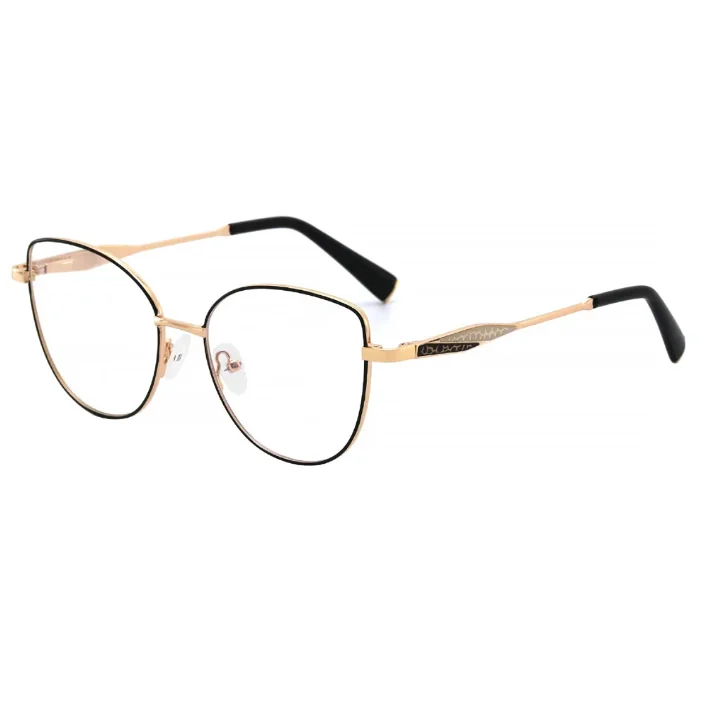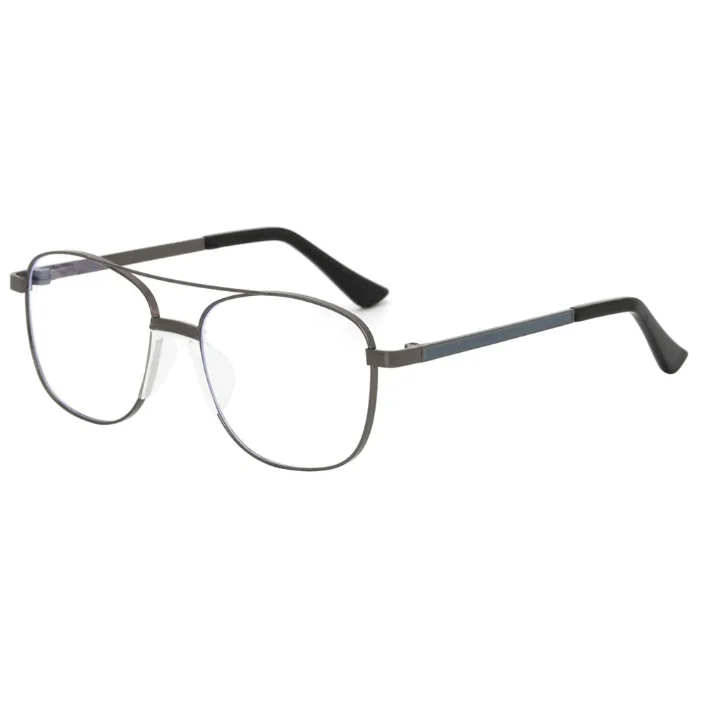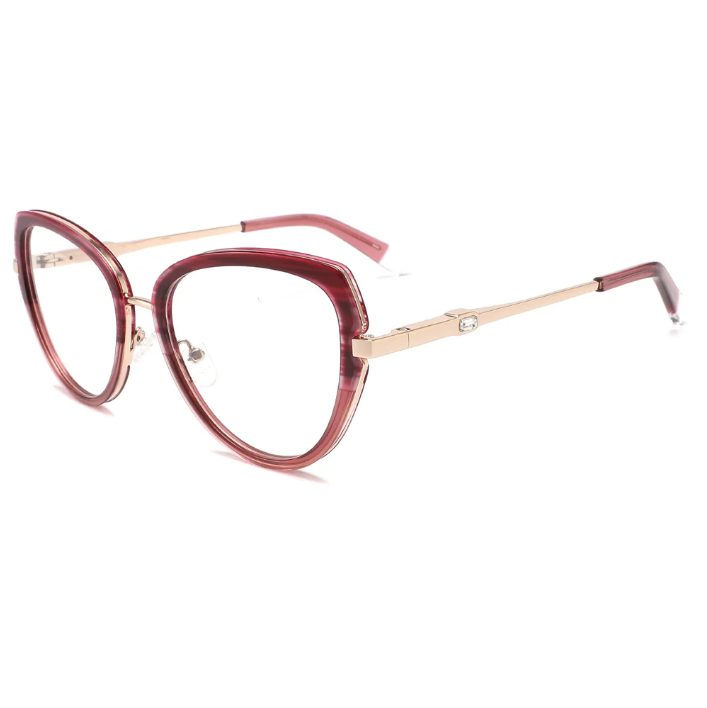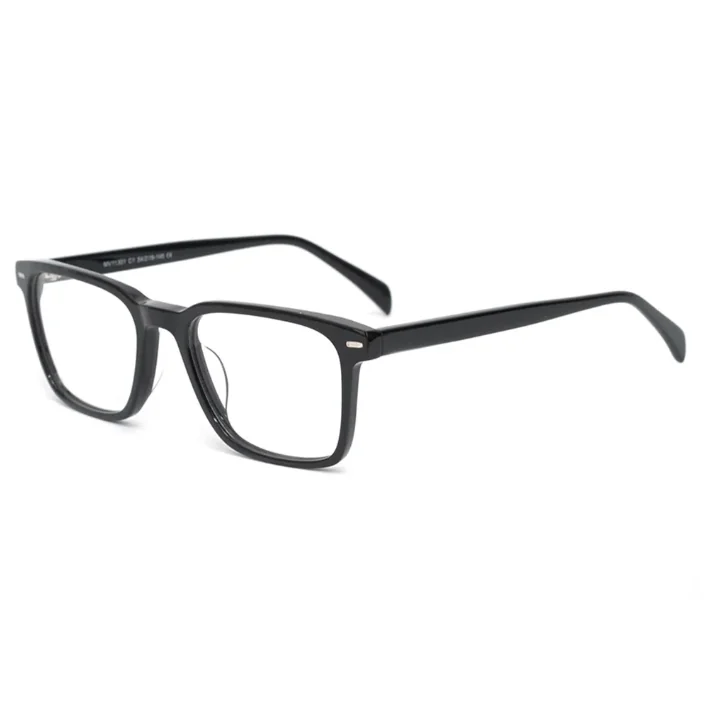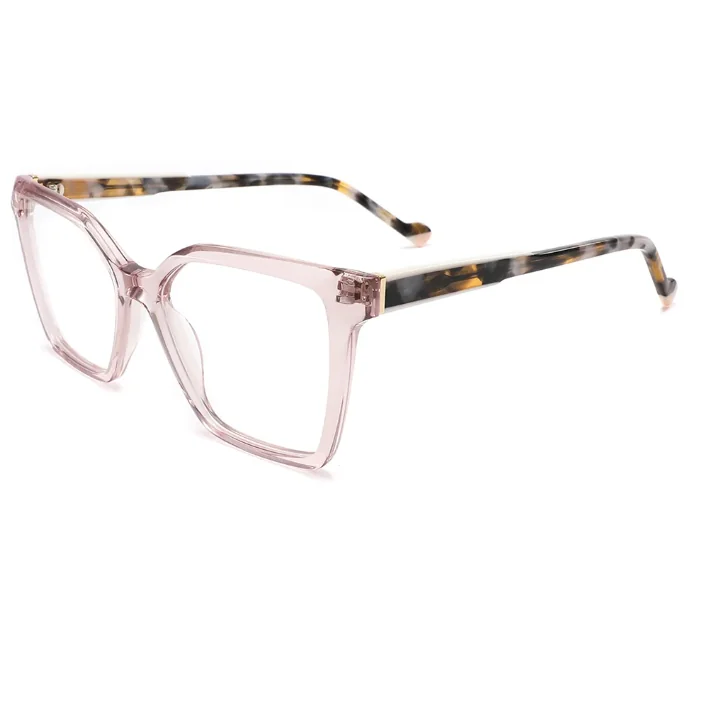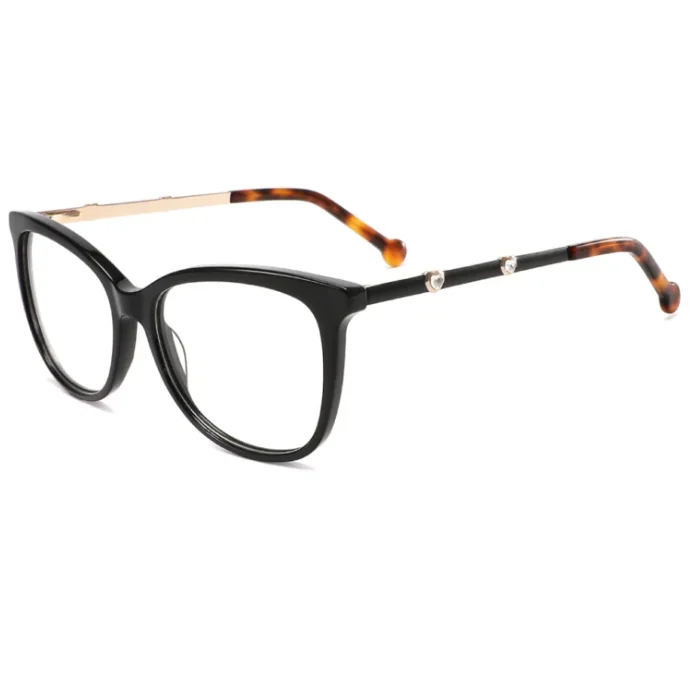
Entering the eyewear market requires more than creating attractive designs. Brands need to understand materials, production steps, supplier cooperation, and quality management before launching a collection. The process of developing eyeglasses frames usually involves several stages, from initial planning to final manufacturing. A clear production strategy can help brands communicate better with manufacturers and prepare suitable products for their target customers.
Define Your Eyewear Production Goals Before Developing Frames
Before starting production, brands should first define their market direction. Different customer groups may have different expectations for frame styles, materials, and price ranges. A fashion brand may focus on unique designs, while an optical retailer may need practical styles for daily use.
Product planning also affects later manufacturing decisions. Brands need to consider frame shapes, target users, seasonal trends, and expected order quantities. These details help manufacturers understand the project requirements and provide more suitable production suggestions.
A clear product concept can also reduce unnecessary adjustments during development. When brands prepare design ideas and market information in advance, the communication process with suppliers becomes more efficient.
Build the Frame Concept Through Material and Design Decisions
Material selection is an important step in eyewear production. Different materials influence the frame’s appearance, weight, durability, and processing methods. Acetate is often used for its colour options and design flexibility, while titanium is valued for its lightweight characteristics and comfortable wearing experience.
For brands exploring premium-style optical products, an optical-frame model combining an acetate front with metal temples can be a practical option. This product combines a handmade acetate front with lightweight titanium temples. The design is suitable for unisex applications and shows how different materials can work together in one frame structure.
When developing new products, manufacturers usually consider frame balance, hinge design, surface finishing, and wearing comfort. These details are important because a frame needs to match both visual expectations and daily usage requirements.
Turn Initial Ideas into Samples with Manufacturing Support
After confirming the concept, the next stage is sample development. Brands usually provide sketches, reference images, or design requirements, then manufacturers help transform these ideas into physical samples. This stage allows both sides to check dimensions, materials, and overall appearance.
OEM and ODM cooperation can support companies that do not have complete production resources. Through manufacturing support, brands can develop customized collections without building their own production facilities.
At JHEYEWEAR, we support global eyewear businesses with OEM/ODM services and product development solutions. Our experience helps partners move from early concepts to finished products through organized communication and production planning.
Understand Production Requirements Before Placing Bulk Orders
Before mass production, brands should understand important order details, including minimum order quantity, production time, customization options, and quality requirements. These factors influence inventory planning and market launch schedules.
Delivery planning is another important consideration. Stock products can usually be shipped within 3–5 days, while customized products normally require 15–40 days depending on the design and order quantity. Understanding these timelines helps buyers arrange product launches more effectively.
Manage Quality Control Throughout the Eyewear Manufacturing Process
Quality control is an essential part of producing reliable eyewear products. A documented production process may include material inspection, frame structure checking, surface inspection, and functional testing.
During manufacturing, suppliers need to check whether frames are properly aligned and whether components such as temples and hinges work smoothly. These inspections help reduce problems during transportation and retail distribution.
For businesses purchasing eyeglasses frames in bulk, stable quality management is especially important. Consistent production standards help retailers maintain product performance across different orders and collections.
Choose a Manufacturing Partner for Long-Term Eyewear Development
Selecting a suitable manufacturing partner requires more than reviewing product samples. Brands should also evaluate production experience, communication ability, customization support, and export capability.
A supplier with experience in international markets can better understand different customer requirements, including packaging standards, product specifications, and delivery arrangements. This is especially useful for businesses planning long-term eyewear development.
With more than 10 years of export experience, JHEYEWEAR works with global customers to provide eyewear manufacturing support. Our services cover product development, customization, quality inspection, and production coordination for different business needs.
Prepare for Market Expansion After Production Starts
Launching the first collection is only the beginning of eyewear business development. Brands often need to update styles regularly, manage new product lines, and adjust production plans according to market feedback.
A reliable supply chain allows companies to develop future collections more smoothly. Manufacturers that understand brand requirements can provide continuous support for new designs and different product categories.
When planning future collections, businesses should continue evaluating materials, production efficiency, and customer preferences. This approach helps brands create more suitable eyeglasses frames for changing market demands.
Building a Reliable Path from Concept to Eyewear Production
Starting eyewear production requires careful planning from design ideas to final manufacturing. Material choices, sample development, order management, and quality inspection all influence the final result. A structured production process allows brands to manage projects with clearer expectations.
New brands should prepare a compact development brief covering target user, frame dimensions, materials, colour references, logo method, lens requirement, packaging, target market, and expected quantity. This gives the manufacturer enough information to assess feasibility before sampling.