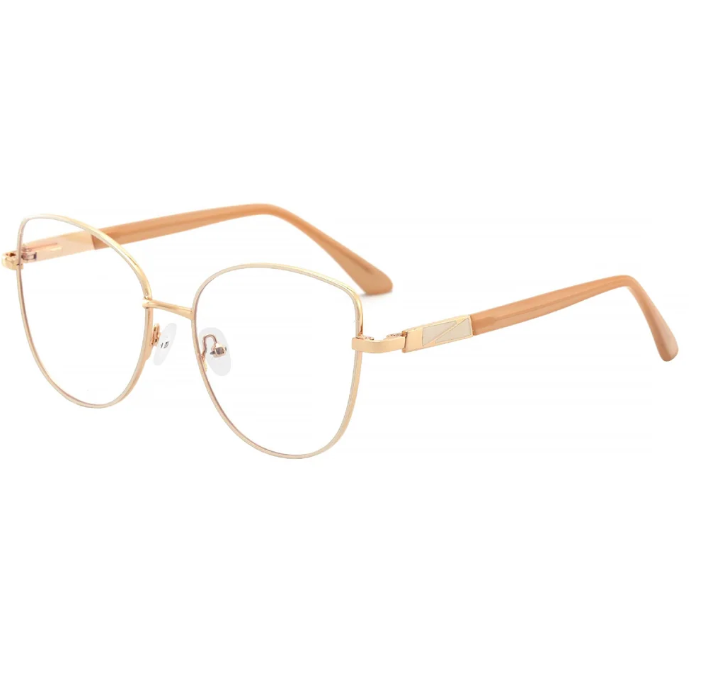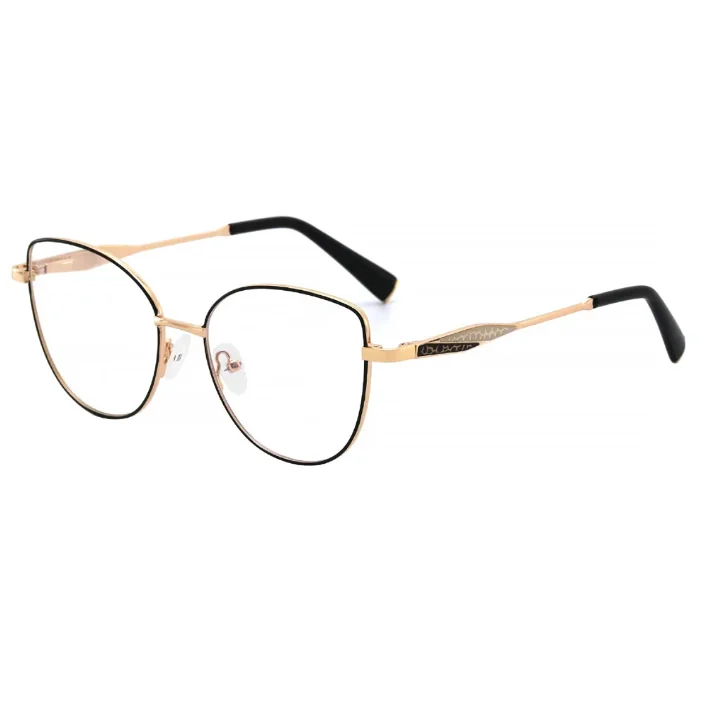
The discussion around sustainable glasses has expanded beyond consumer preferences and become an important topic for eyewear retailers, optical chains, pharmacies, supermarkets, and fashion accessory brands. As environmental regulations and sustainability expectations continue to evolve, buyers are paying closer attention to how eyewear products are manufactured, what materials are used, and how waste is managed throughout production. From our perspective at JHEYEWEAR, reducing environmental impact is not achieved through a single material or process. Instead, it requires continuous improvement across sourcing, manufacturing, quality control, packaging, and logistics.
When we work with wholesale customers, many ask what makes a manufacturer environmentally responsible. The answer usually involves several interconnected factors. Material selection is one aspect, but production efficiency, product durability, and waste reduction are equally important. A frame that lasts longer and maintains its appearance during daily use can help reduce replacement frequency, which indirectly lowers resource consumption. This is one reason why manufacturers increasingly evaluate sustainability from the entire product lifecycle rather than focusing only on raw materials. For B2B buyers seeking reliable suppliers, understanding these production practices can support better purchasing decisions and help align product collections with changing market expectations.
Using Recycled and Responsible Materials Effectively
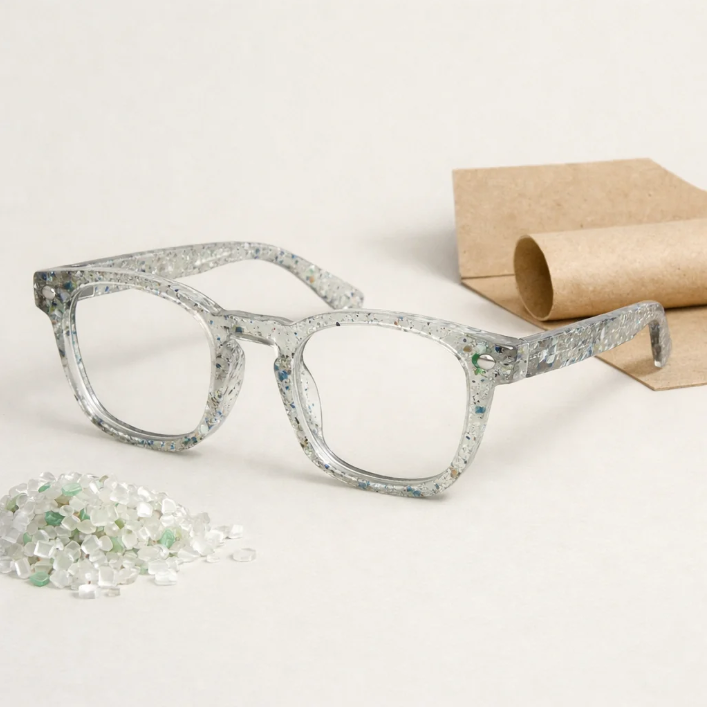
One of the most direct ways we reduce environmental impact at JHEYEWEAR is through material selection. In the eyewear industry, recycled plastics and other reused resources are becoming more widely adopted. Recycled frame materials can help decrease demand for virgin plastic while giving existing materials a second life. However, from our manufacturing perspective, material sourcing alone does not guarantee a responsible product. We also ensure that recycled materials meet quality requirements for strength, flexibility, appearance, and long-term wear performance.
Our recycled eyewear frame collection reflects this approach. Rather than treating sustainability as a separate feature, we integrate recycled materials into products designed for everyday commercial use. Wholesale customers often need products that balance environmental considerations with practical retail requirements. Frames must remain comfortable, visually appealing, and durable enough for distribution across different sales channels. This is especially important for optical stores and chain retailers that prioritize product consistency.
The production of sustainable glasses also depends on minimizing material waste during manufacturing. Careful mold design, accurate cutting processes, and efficient production planning can help reduce unnecessary scrap. We continuously review manufacturing procedures to improve material utilization while maintaining product standards. By focusing on both material sourcing and production efficiency, manufacturers can achieve more meaningful environmental improvements than relying on material claims alone.
Improving Production Efficiency and Product Longevity
Another important factor in reducing environmental impact is manufacturing efficiency. At JHEYEWEAR, we have found that every production process consumes resources such as energy, water, packaging materials, and transportation capacity. By optimizing production workflows, we are able to reduce waste while maintaining stable output and consistent quality. For example, we consider product durability to be a key environmental factor that is sometimes overlooked. A frame that remains functional over an extended period contributes to lower replacement demand. From our perspective, this reduces the resources associated with manufacturing, shipping, and packaging additional products. As a result, we see quality assurance as closely connected to sustainability goals.
Within our production process, quality inspections are conducted throughout manufacturing rather than only at the final stage. Early detection of defects helps reduce unnecessary waste and minimizes the need for rework. For wholesale buyers, consistent product quality can also lower return rates and improve inventory management efficiency.
At JHEYEWEAR, we believe customization capabilities can also contribute to sustainability. We provide OEM and ODM services for businesses seeking private-label eyewear collections, and we work closely with our customers to align production quantities with actual market requirements. This helps brands avoid excessive inventory and reduce the environmental burden associated with unsold products. Depending on style complexity and order volume, customized projects typically require approximately 7 to 45 days for production. For customers requiring faster replenishment, we also maintain selected stock models that can typically be shipped within 3 to 5 days, supporting shorter delivery timelines.
We have found that the environmental value of sustainable glasses extends beyond materials alone. From our experience, production planning, quality management, inventory control, and product durability all play important roles in shaping the overall environmental footprint of eyewear manufacturing.
Building a More Sustainable Supply Chain for Wholesale Eyewear
Environmental responsibility does not end when a frame leaves our factory at JHEYEWEAR. We have found that packaging, transportation, supplier selection, and supply chain management also significantly affect overall sustainability performance. From our perspective, manufacturers that evaluate these areas can often identify additional opportunities to reduce environmental impact.
We work with customers across multiple international markets and have accumulated more than a decade of export experience. During this process, we have seen growing interest in environmentally responsible sourcing practices among wholesalers and retailers. Buyers increasingly request information about materials, certifications, production standards, and quality control procedures before placing orders.
A sustainable supply chain also benefits from product diversity. When retailers can source multiple styles from a single supplier, transportation efficiency may improve and procurement processes can become more streamlined. At JHEYEWEAR, we offer a wide variety of eyewear styles and materials to support different market segments while maintaining consistent manufacturing standards. For stock products, MOQ typically starts from 100 pairs, while customized projects generally require 1200 pairs, depending on product specifications and production requirements. This allows our customers to choose purchasing plans that best fit their business objectives.
Conclusion: Sustainability Requires Continuous Improvement Across Production
The environmental impact of eyewear manufacturing is influenced by many factors. At JHEYEWEAR, we have found that these include material sourcing, production efficiency, quality management, product durability, inventory planning, and supply chain coordination. From our perspective, meaningful improvements require evaluating the entire production process rather than focusing on a single sustainability measure.
As demand for sustainable glasses continues to grow, wholesale buyers are becoming more informed about how products are made and how manufacturing decisions affect environmental outcomes. From our experience, long-term progress comes from combining responsible materials with practical production improvements and reliable quality standards. Through recycled eyewear frame solutions, OEM and ODM capabilities, quality-focused manufacturing, flexible production arrangements, and ongoing process optimization, we continue working toward reducing environmental impact while meeting the needs of global eyewear businesses.