As sustainability becomes an increasingly important consideration in product sourcing, we have found that distributors, optical retailers, fashion brands, and importers are paying closer attention to the standards behind environmentally friendly glasses. At JHEYEWEAR, while many products are marketed using sustainability-related terms, we see that professional buyers often need objective ways to evaluate whether those claims are supported by recognized certifications or documented manufacturing practices. From our perspective, in global markets, certifications help create transparency by providing a framework for assessing materials, production processes, environmental management systems, and supply chain accountability. For companies building eyewear collections with sustainability goals, we believe understanding these certifications can support more informed purchasing decisions and reduce uncertainty during supplier selection.

Material Certifications: Verifying the Environmental Attributes of Eyewear Components
One of the first areas buyers should examine is the origin and composition of frame materials. Sustainable eyewear products are often associated with recycled, renewable, or lower-impact materials, but certification helps verify these claims. For example, recycled plastics used in eyewear manufacturing may be supported by documentation that traces material sources and confirms recycled content within the supply chain.
When evaluating suppliers, buyers should ask whether the raw materials used in production can be traced to documented sources and whether supporting certifications are available. We prepare full certification documents for all our eco-friendly eyewear orders, and material traceability certificates and environmental management system reports are core credentials for global sustainable eyewear export.
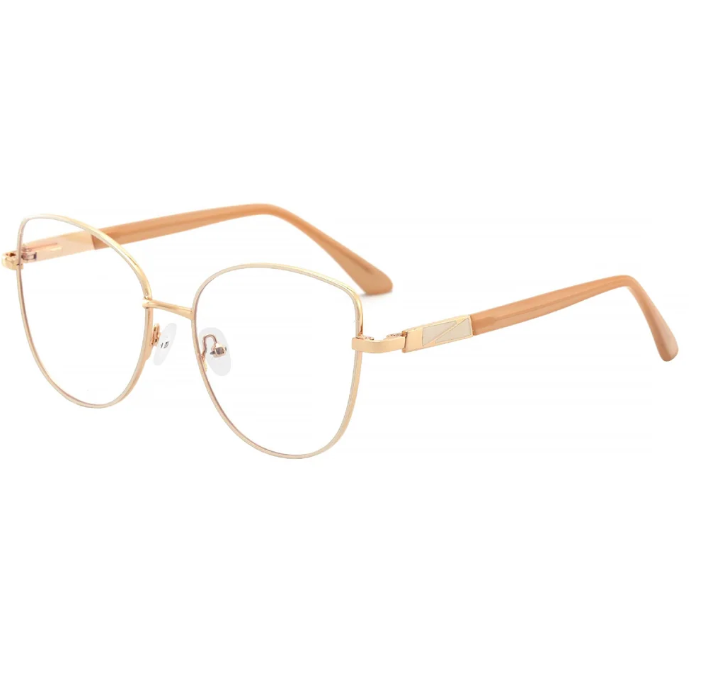
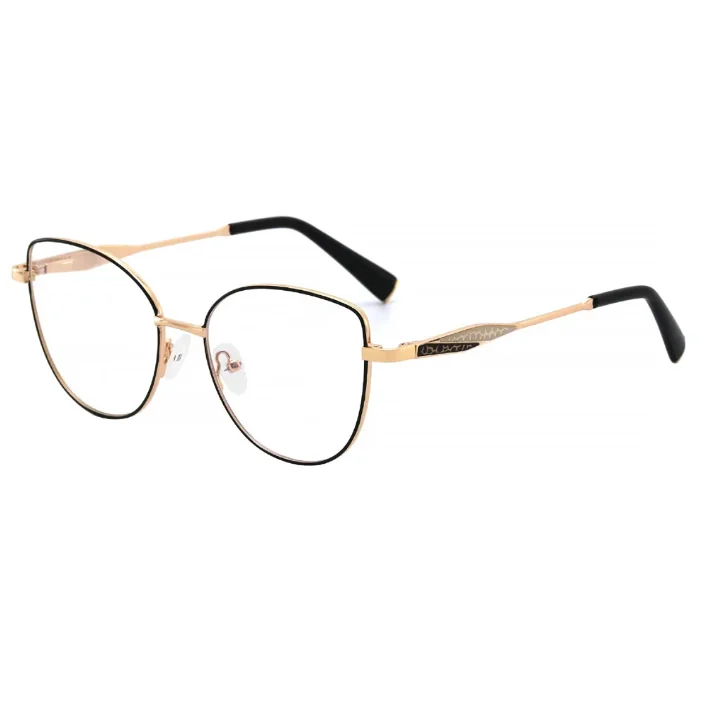
A practical example can be seen in recycled eyewear frames manufactured from reclaimed plastic materials. These products are designed to reduce dependence on newly produced plastics while extending the useful life of existing materials. At JHEYEWEAR, we offer recycled eyewear frame solutions developed for distributors, optical chains, and private-label customers seeking alternative material options. These frames are manufactured using recycled plastic materials and can be customized through OEM and ODM programs according to project requirements.
However, material certification alone does not automatically define sustainability. Our buyers should also consider how those materials are processed, manufactured, and incorporated into finished products. A complete evaluation requires looking beyond the frame itself and examining broader production practices.
Environmental Management Certifications and Responsible Manufacturing Standards
In addition to material verification, we have found that environmental management systems play an important role in determining whether eyewear manufacturing operations align with sustainability objectives. At JHEYEWEAR, many international buyers review environmental management certifications when assessing suppliers because these systems provide evidence that environmental impacts are being monitored and managed through structured procedures.
From our perspective, environmental management certifications generally focus on issues such as resource utilization, waste reduction, process control, and continuous improvement practices within manufacturing facilities. Rather than evaluating a single product, we see that these certifications examine how environmental considerations are integrated into broader operational activities.
For eyewear importers and retailers, we believe reviewing environmental management documentation can provide additional confidence when comparing suppliers. A manufacturer that maintains documented environmental procedures may be better positioned to support customers who require sustainability-related information for procurement programs or corporate responsibility initiatives.
Quality management should also be considered alongside environmental standards. From our manufacturing experience at JHEYEWEAR, sustainable products still need to meet performance and durability expectations. We implement quality control systems that help reduce defects, minimize waste associated with remanufacturing, and improve product consistency. In our operations, inspections are conducted throughout multiple stages of production, including material verification, production monitoring, finished product inspection, and packaging review. This approach supports product reliability while helping maintain manufacturing consistency across different orders.
Supply Chain Transparency, Compliance Documentation, and Global Market Expectations
As sustainability requirements continue to evolve, we have seen that supply chain transparency has become an increasingly important topic in international trade. At JHEYEWEAR, buyers are no longer evaluating products solely on appearance, pricing, or functionality. In our experience, they are also examining how products move through the supply chain and whether supporting documentation can verify environmental claims.
For this reason, compliance documentation has become a significant factor when sourcing environmentally focused eyewear collections. We often support importers who request information regarding material sourcing, production practices, testing procedures, and quality management systems before finalizing purchasing decisions. From our perspective, the availability of clear documentation can simplify supplier evaluation and help businesses address market-specific requirements.
Export experience also contributes to smoother compliance management. Manufacturers serving international customers are typically more familiar with documentation expectations across different regions. With more than ten years of export experience, we have worked with customers from a wide range of markets and understand the importance of maintaining organized production records and communication throughout the sourcing process.
Another factor influencing purchasing decisions is production flexibility. At JHEYEWEAR, we work with sustainability-oriented brands that frequently require customized products, packaging, or branding elements. Through our OEM and ODM services, we support customized eyewear projects for distributors and retailers. For stock products, MOQ typically starts from 100 pairs, with shipment generally available within 3 to 5 days. For customized projects, MOQ generally starts from 1200 pairs, with production typically requiring approximately 7 to 45 days, depending on design complexity and order volume. When evaluating environmentally friendly glasses suppliers, we believe buyers benefit from considering both certification credentials and operational capabilities as part of a comprehensive sourcing strategy.
Conclusion: Certifications Provide a Framework for Evaluating Sustainable Eyewear
From our decade of cross-border eyewear export experience, we believe understanding sustainability certifications is essential for businesses sourcing eyewear from global markets. We recognize that no single certification can cover every dimension of sustainable production. Therefore, we integrate material verification, environmental management system certificates, supply chain transparency records, and full compliance documents to form a comprehensive evaluation system. These objective standards help our wholesale buyers verify sustainable product claims with credible evidence, instead of relying purely on subjective marketing descriptions.
For distributors, retailers, optical chains, and private-label brands, combining certification review with supplier assessment can support more informed sourcing decisions. At JHEYEWEAR, we work with wholesale customers through factory-direct manufacturing, OEM and ODM development services, quality-focused production procedures, and recycled-material eyewear solutions. As sustainability continues to influence purchasing decisions worldwide, businesses that understand certification frameworks may be better equipped to evaluate environmentally friendly glasses and build product collections that align with evolving market expectations.