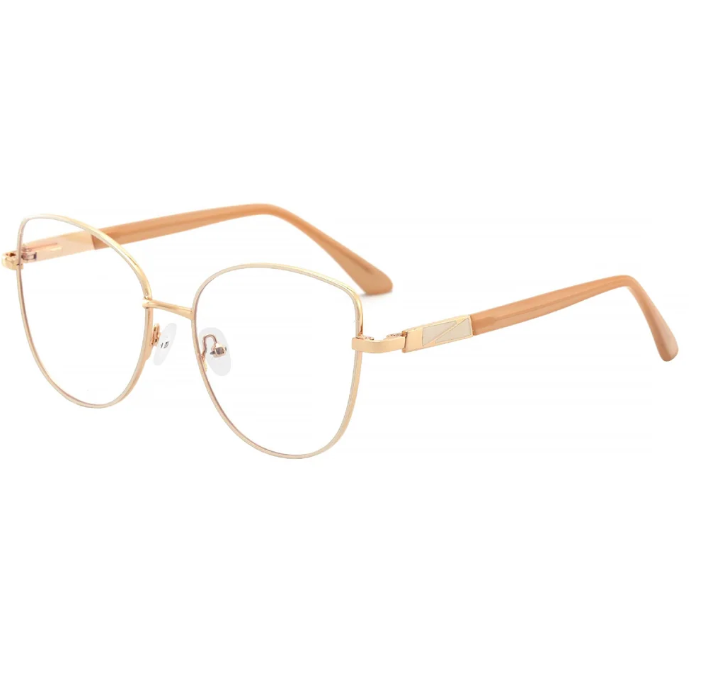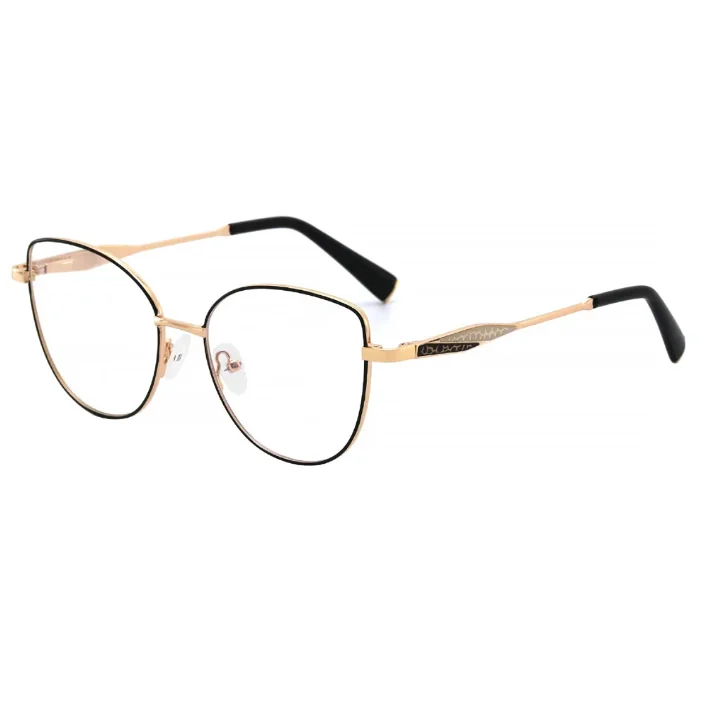
Launching a private-label eyewear collection often requires brands to make decisions that affect both short-term inventory investment and long-term market development. For optical chains, fashion accessory brands, independent eyewear retailers, pharmacies, and distributors, one of the most important considerations is how to manage minimum order quantities efficiently. When developing custom frame glasses collections, MOQ planning directly influences product diversity, cash flow allocation, inventory turnover, and future expansion opportunities. We have worked with wholesale customers across different markets and have found that successful private-label programs are rarely built around the lowest MOQ alone. Instead, sustainable growth often comes from balancing product customization goals with practical inventory management strategies. Understanding how MOQ affects sourcing decisions can help buyers build more flexible product portfolios while reducing operational pressure during the early stages of collection development.
Why MOQ Plays a Critical Role in Private Label Collection Planning
At JHEYEWEAR, we have found that minimum order quantity is often viewed simply as a purchasing requirement, but in reality, it serves several functions within the manufacturing process. We use MOQ planning to organize production schedules, coordinate raw material procurement, and maintain manufacturing efficiency. For our customers, MOQ also affects investment levels, product assortment decisions, and inventory planning. To support different purchasing needs, our stock products typically start from an MOQ of 100 pairs, while customized projects generally require 1200 pairs, depending on product specifications and production requirements.
We have also found that many new private-label brands initially focus on launching as many frame styles as possible. We help hundreds of private label brands plan MOQ each year and found excessive SKU expansion will raise capital pressure and slow inventory turnover for new private label brands. We often recommend that our customers identify the frame categories most relevant to their target markets before expanding into larger collections.
For example, an eyewear retailer targeting office professionals may prioritize optical frames designed for everyday wear, while a fashion-oriented brand may focus more heavily on trend-driven styles. From our experience, aligning product selection with actual customer demand allows buyers to allocate MOQ more efficiently across different collections, helping reduce slow-moving inventory while supporting healthier stock management.
Another important consideration is demand forecasting. We encourage our customers to review historical sales data, seasonal demand patterns, and purchasing preferences before placing orders. Even when launching new collections, analyzing comparable product categories can provide valuable guidance. We believe strategic MOQ planning should begin before production starts and remain an integral part of the overall sourcing and business planning process.
Using Flexible Manufacturing Models to Improve MOQ Efficiency
One of the most effective ways to manage MOQ challenges is partnering with manufacturers that offer flexible production arrangements. At JHEYEWEAR, we have found that different suppliers may structure MOQ requirements based on materials, production methods, customization complexity, or packaging specifications. From our experience, understanding these variables can help buyers identify opportunities to optimize order planning.
At JHEYEWEAR, we frequently work with customers developing private-label eyewear programs through OEM and ODM cooperation. Depending on project requirements, customization may include frame colors, logo applications, temple designs, packaging solutions, and branding elements. Because every project differs, MOQ structures are often influenced by the level of customization involved.
A practical example involves grouping similar products within a collection. At JHEYEWEAR, we have found that instead of developing multiple completely unique frames, some customers choose to customize several variations based on related frame structures. From our experience, this strategy may help reduce development costs while maintaining collection diversity. It can also simplify production planning and improve inventory flexibility.
Our OEM and ODM services at JHEYEWEAR are designed to support customers at different stages of brand development. With more than ten years of export experience, we understand that eyewear brands often require different sourcing strategies depending on market maturity and sales volume. For stock models, we can typically arrange shipment within 3 to 5 days, while customized projects generally require approximately 7 to 45 days, depending on design specifications, materials, and order quantities. Through our factory-direct manufacturing model, we coordinate product development, production scheduling, and quality control more efficiently throughout the process.
Building a Long-Term MOQ Strategy for Sustainable Growth
Effective MOQ management should not be viewed as a one-time purchasing decision. Instead, we see it as part of a broader strategy that evolves alongside business growth. At JHEYEWEAR, as private-label collections gain market traction, we use sales performance data to help identify which products justify larger production volumes and which styles may require adjustment or replacement.
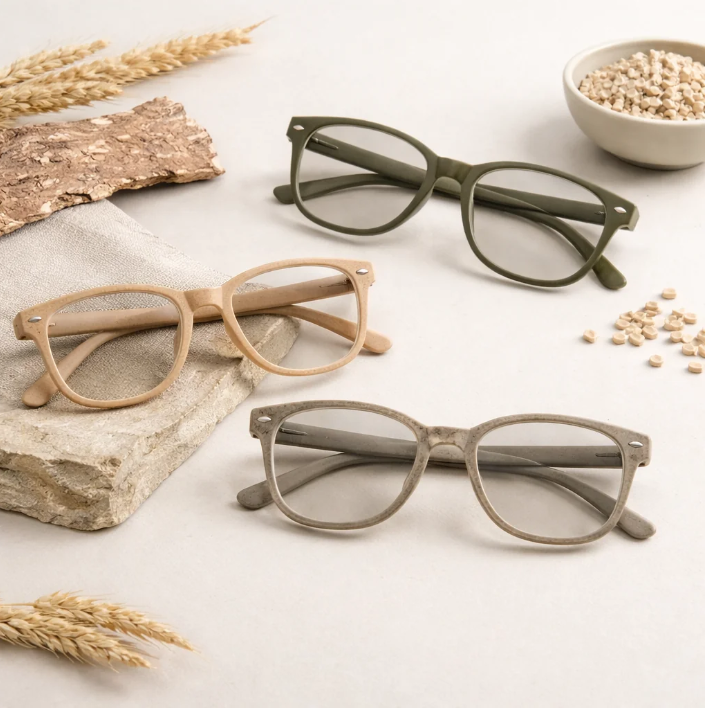
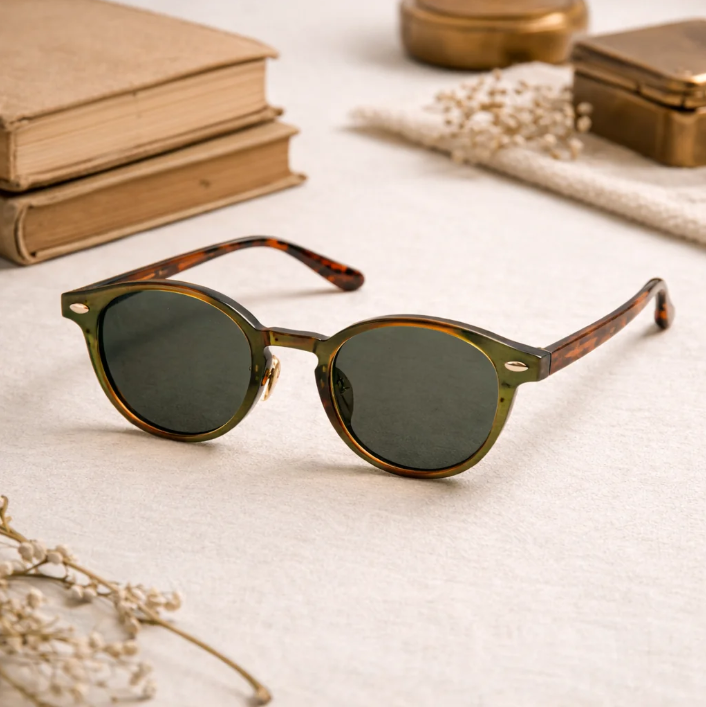
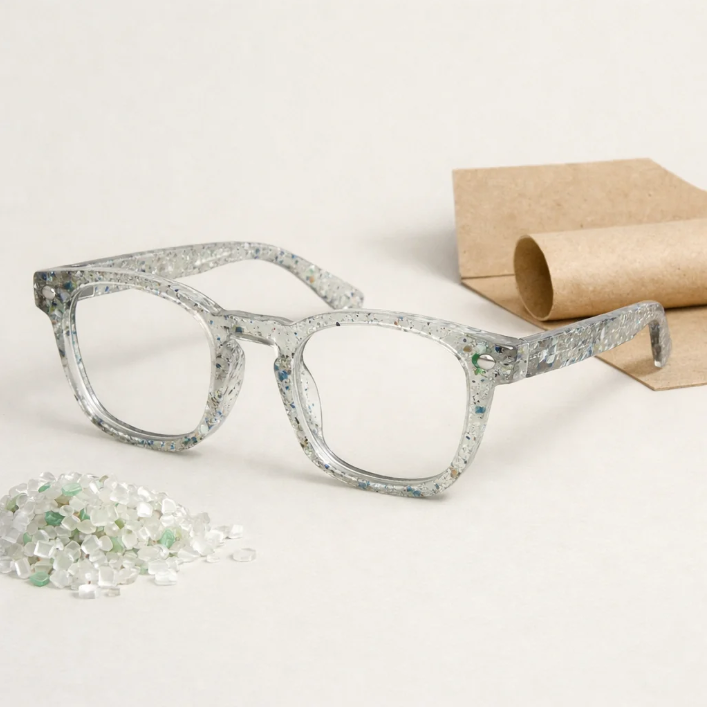
Material selection also influences MOQ planning. In our experience, different frame materials can have varying sourcing requirements, manufacturing processes, and procurement cycles. Buyers evaluating metal frames, acetate frames, TR materials, or combination constructions are encouraged to discuss material-related MOQ implications with us early in the development process. This helps avoid unexpected costs or production delays later.
Quality assurance represents another important factor. From our perspective, lower inventory risk should never come at the expense of product consistency. We implement inspection procedures covering raw materials, production processes, assembly stages, and final packaging verification. Consistent quality helps protect brand reputation while reducing potential after-sales challenges.
As collections expand, we also support tiered inventory strategies. Core products with stable demand can support larger purchasing volumes, while newer designs may be introduced with more conservative inventory commitments. In our experience, this approach allows brands to explore market opportunities without exposing themselves to unnecessary stock risks. For businesses building long-term custom frame glasses programs, combining demand analysis, supplier collaboration, quality management, and inventory planning often creates a stronger foundation for sustainable growth.
Conclusion: Strategic MOQ Decisions Support Stronger Private Label Programs
Managing MOQ effectively is about more than meeting production requirements. It involves balancing inventory investment, product diversity, customization goals, and long-term business objectives. Our buyers who approach MOQ planning strategically are often better positioned to develop collections that align with customer demand while maintaining operational flexibility.
For private-label eyewear businesses, supplier collaboration plays a significant role in achieving these objectives. At JHEYEWEAR, we support distributors, eyewear retailers, fashion brands, and optical chains through factory-direct manufacturing, OEM and ODM services, quality-focused production processes, and flexible project management. As competition continues to evolve across the eyewear industry, companies that integrate thoughtful MOQ planning into their sourcing strategies may be better prepared to expand profitable custom frame glasses collections while maintaining sustainable inventory control.