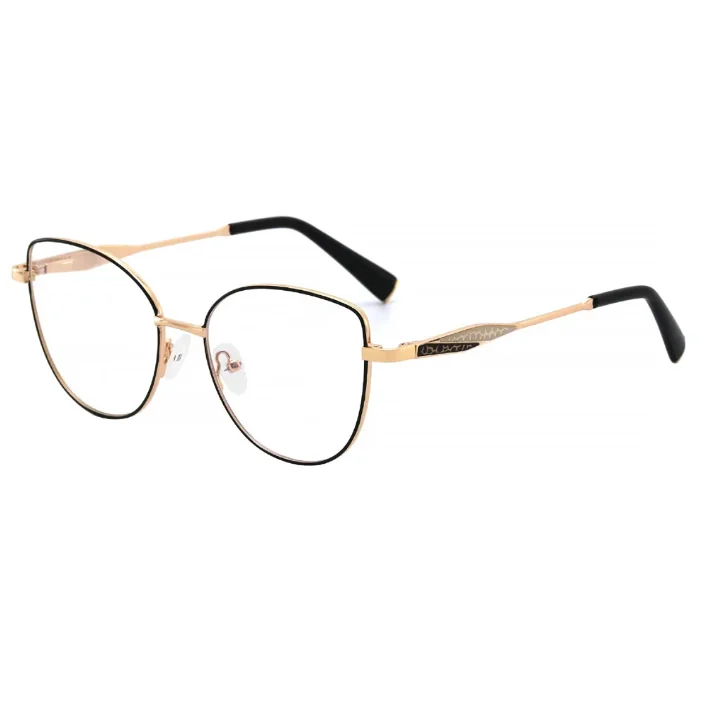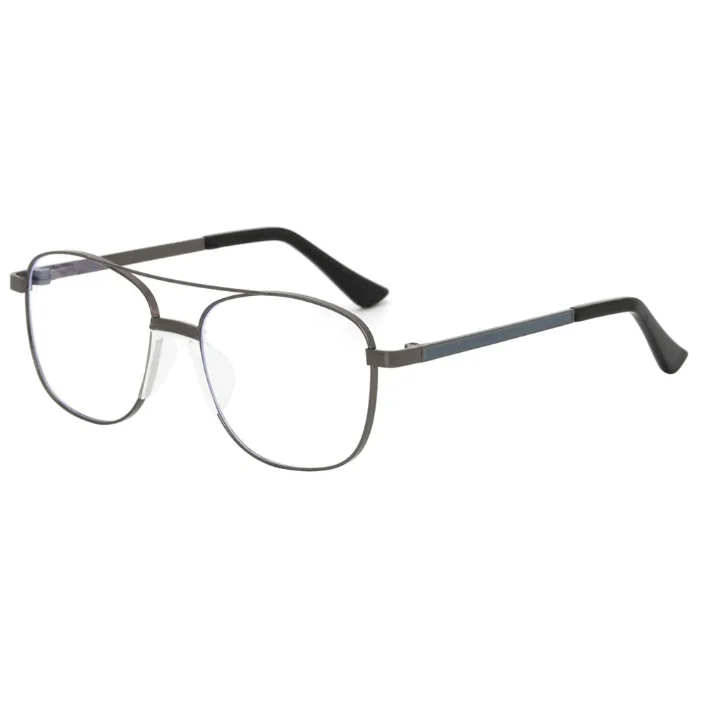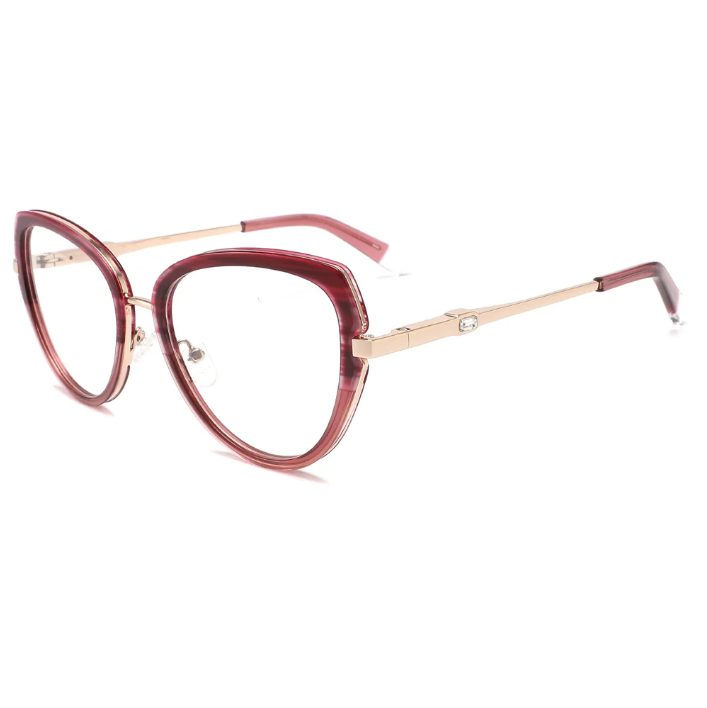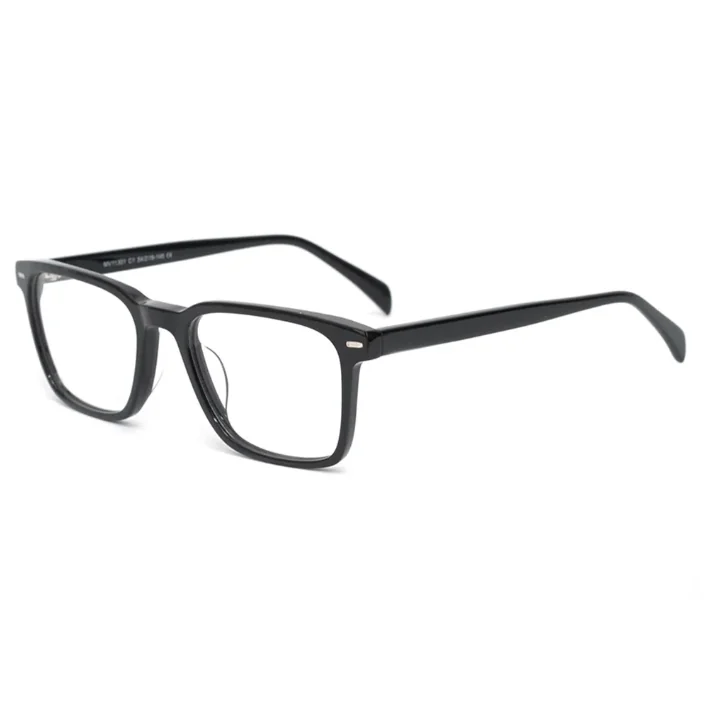
As environmental awareness grows in the fashion and optical industries, buyers are paying more attention to material sources, production methods, and long-term supply value. For wholesalers and retail brands, understanding how material selection affects product specifications, production requirements, and sourcing decisions is important before selecting sustainable eyewear suppliers. The cost of products is affected by materials, customization needs, production volume, and quality requirements.
When we discuss wholesale eco-friendly eyewear, we focus on more than the unit price. Material selection, manufacturing processes, and service support all influence the final quotation. For brands and retailers, knowing these factors helps create practical purchasing plans and balance product value with market demand.

Material Selection and Production Process Affect Costs
Sustainable eyewear materials are an important factor that affect pricing. Recycled plastic, bio-based plastic, and sustainable acetate each have different processing requirements. The material source, availability, and manufacturing technology can influence production costs.
For example, recycled plastic sunglasses require careful material preparation and quality checks during production. Sustainable acetate may involve different cutting and polishing methods compared with traditional materials. These differences can create changes in production expenses while also providing more choices for brands.
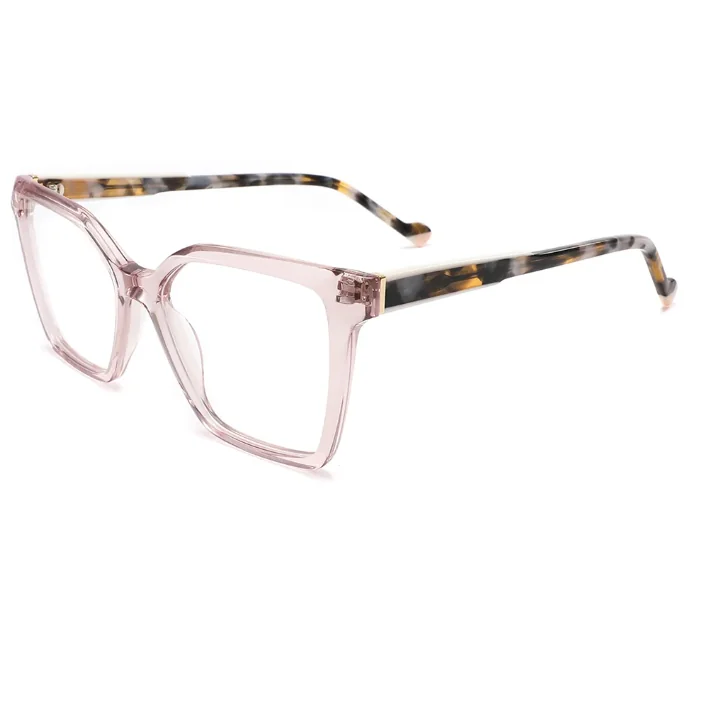
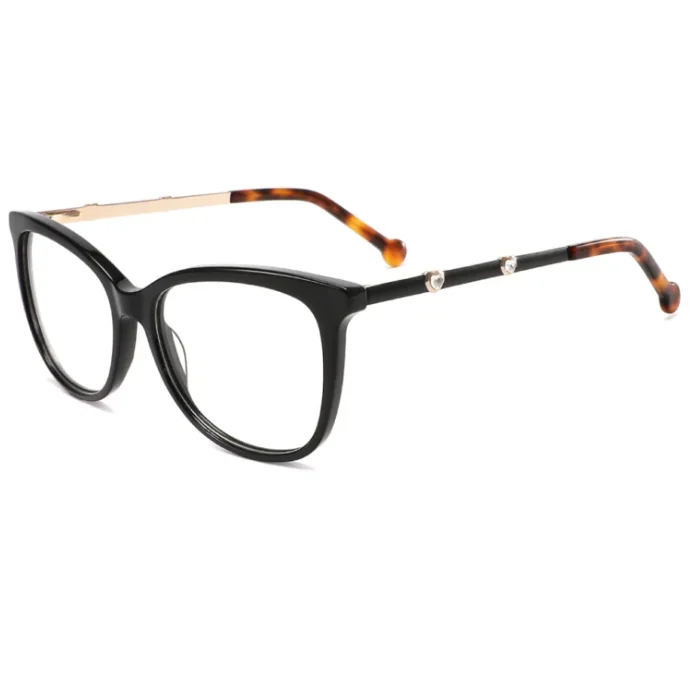
At JHEYEWEAR, we develop eco-friendly recycled sunglasses using recycled plastic, bio-based plastic, and sustainable acetate materials. Our products are designed for fashion, lifestyle, and outdoor markets. We provide options for wholesalers and brands that need sustainable sunglasses with OEM and private label support.
The production process also affects pricing because different designs require different levels of technical work. Frame structure, color matching, lens options, and packaging requirements may influence the overall order cost. Buyers should evaluate product specifications before making purchasing decisions.
Order Quantity and Customization Requirements
Order quantity is another factor connected with eyewear pricing. Larger production quantities can help suppliers arrange materials and production schedules more efficiently. However, buyers also need to select quantities based on their sales plans and market testing needs.
For wholesale eco-friendly eyewear purchasing, MOQ requirements usually depend on whether customers choose stock products or customized solutions. For eco-friendly eyewear projects, the MOQ is generally 1200 pcs per model, depending on the material, design, and customization requirements. This structure allows different buyers to choose suitable purchasing methods.
Customization services also affect pricing because personalized products require additional development steps. Logo design, color selection, material choices, and packaging customization may add production work. These services are useful for fashion brands and retail chains building their own product lines.
We support OEM and ODM projects, including logo, color, material, and packaging customization. As a direct manufacturer, we can communicate with buyers about product details and provide solutions based on their brand requirements. Our export experience of more than 10 years helps us understand different market expectations.
Quality Control and Supply Experience Matter
Pricing is not only related to production costs. Quality management is also an important part of supplier selection. Stable quality can help wholesalers reduce customer complaints and maintain consistent product performance in retail channels.
Sustainable eyewear requires attention to material inspection, frame production, lens quality, and final packaging checks. A clear quality process helps buyers understand how products are developed and delivered. Certifications can also provide additional information about production standards.
Selected recycled eyewear products use GRS-certified recycled materials and follow quality inspection procedures during production. We also provide a one-year warranty for our products. Before shipping, products are checked and packed with two-side lens protection and OPP bags to support safe transportation.
For international buyers, export experience can reduce communication challenges. Different markets may have different requirements for product design, packaging, and delivery arrangements. A supplier with export experience can provide more practical support throughout the ordering process.
Delivery Time and Market Planning Considerations
Delivery schedules are another pricing-related factor that buyers should consider. Faster delivery may require available inventory, while customized products usually need additional production time for design and manufacturing preparation.
For brands and wholesalers, choosing between stock products and customized products depends on sales plans. Stock products can be shipped within 3-5 days, while customized products usually require 15-40 days depending on styles and quantities. Planning orders in advance helps businesses manage inventory more effectively.
At this stage, many buyers are exploring wholesale eco-friendly eyewear because sustainable product demand continues to grow in fashion and optical markets. Understanding supply factors helps buyers select products that match their customers’ expectations while controlling purchasing costs.
Our product range includes sustainable sunglasses and optical frames made from recycled and bio-based materials. Through OEM and ODM services, we help customers develop products that fit their brand image. Our factory direct model also allows us to provide competitive pricing for wholesale customers.
Building Practical Sustainable Eyewear Supply Solutions
Choosing sustainable eyewear suppliers requires attention to materials, order quantity, customization, quality control, and delivery planning. These factors work together to influence the final supply cost and product value. Buyers who understand these details can make more suitable decisions for their markets.
With experience in eyewear manufacturing and international trade, JHEYEWEAR provides products and services for wholesalers, retail chains, optical stores, and e-commerce brands. We focus on practical solutions, including customized development, quality management, and flexible order support.
For companies sourcing wholesale eco-friendly eyewear, evaluating supplier capabilities and product details can help create stable cooperation. Sustainable materials, responsible production, and reliable service are important parts of building long-term eyewear supply relationships.