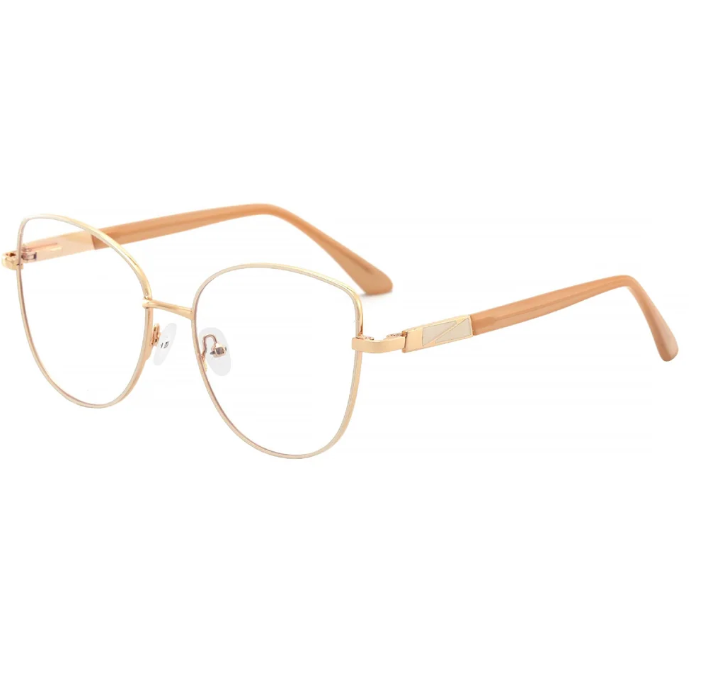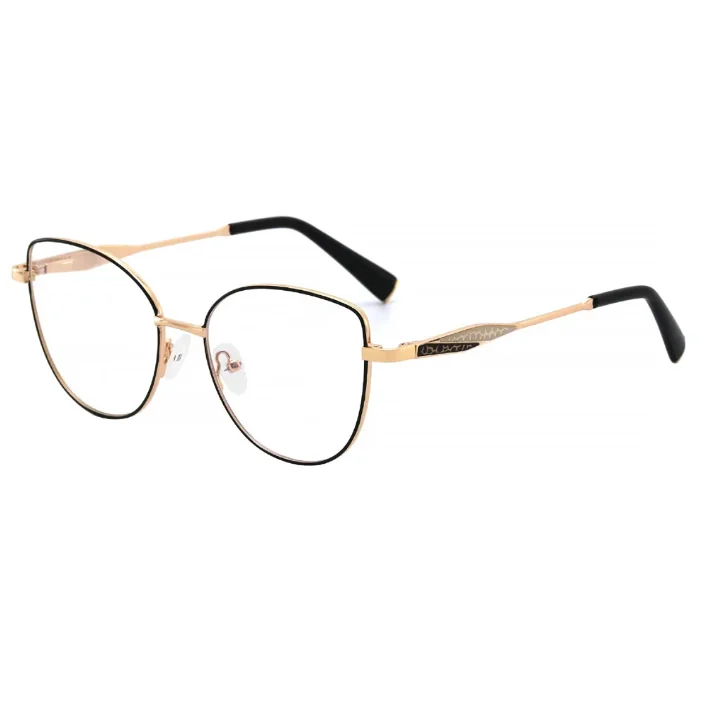
The global cycling industry has evolved beyond a niche recreational activity and has become closely linked to fitness, commuting, outdoor tourism, and sports culture. As cycling participation expands across different regions, retailers and distributors are paying greater attention to product categories that offer repeat demand and broad customer appeal. Among these categories, cycling eyewear has gained increasing attention because it combines practical protection with style, comfort, and performance. We have observed that optical retailers, fashion accessory brands, pharmacy chains, supermarkets, and sporting goods distributors are increasingly exploring cycling-related products as part of their product diversification strategies.
From a distribution perspective, we have found that eyewear designed for cycling addresses several common consumer needs. At JHEYEWEAR, riders often face changing weather conditions, UV exposure, wind, dust, insects, and road debris during outdoor activities. In our experience, protective eyewear helps improve visual comfort while supporting safety and convenience. Unlike highly specialized cycling equipment that may appeal only to a narrow audience, we see that cycling glasses can serve recreational riders, commuting cyclists, fitness enthusiasts, and sports users alike. This broader customer base contributes to steady market demand and creates opportunities for wholesalers seeking products with wide retail applicability.
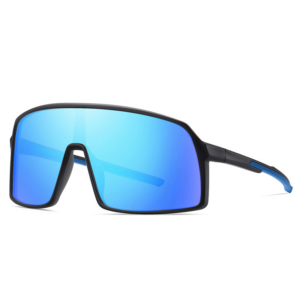
Consumer Trends Are Driving Category Expansion
One reason this segment continues to attract attention is the changing behavior of consumers. At JHEYEWEAR, we have observed that in many markets, people are becoming more interested in outdoor lifestyles and wellness-oriented activities. Cycling is often viewed as an accessible exercise option that can be integrated into daily routines. As participation grows, we see that consumers naturally seek accessories that improve their riding experience.
At the same time, we have found that purchasing decisions are no longer based solely on functionality. Modern buyers often look for products that combine performance features with attractive designs. Lightweight frames, polarized lenses, impact resistance, and comfortable fit have become important purchasing considerations. This shift encourages retailers to offer a wider variety of eyewear styles rather than relying on a limited product range.
From our perspective, category expansion also creates opportunities for segmentation. Different customer groups may prioritize different features, such as sports performance, casual outdoor use, or fashion-oriented styling. As a result, distributors can build broader product portfolios that appeal to multiple sales channels. In our experience, when selecting suppliers, factors such as product variety, consistent quality, inventory availability, and customization capabilities become increasingly important because these elements help businesses respond to changing market preferences efficiently.
Product Innovation and Supply Chain Flexibility Matter
As manufacturers continue to develop new materials and lens technologies, the eyewear market becomes more dynamic. We have tracked cycling consumer trends for years and found lightweight frame materials such as TR90 are widely recognized for their flexibility and durability, making them suitable for active outdoor use. Polarized lenses can help reduce glare from roads and reflective surfaces, improving visual comfort during daytime rides. These functional improvements contribute to the continued growth of the category and provide distributors with additional selling points.
We provide OEM and ODM services at JHEYEWEAR, supporting custom logos, colors, packaging, and design adjustments, and offering flexible production arrangements based on project requirements. For stock models, we can typically arrange shipment within 3 to 5 days, while customized production timelines generally range from approximately 7 to 45 days depending on product specifications and order quantities. Such flexibility helps our customers manage inventory planning while responding more efficiently to seasonal or regional demand changes.
Why Distributors Continue to View Cycling Eyewear as a Promising Segment
Another factor supporting growth is the diversity of retail channels where these products can be sold. At JHEYEWEAR, we have seen optical chains, sporting goods stores, outdoor retailers, pharmacies, supermarkets, and fashion accessory brands all include eyewear products within their merchandising strategies. Because the category crosses multiple retail environments, we find that distributors can potentially reach different customer groups without relying on a single sales channel.
Quality assurance is also becoming increasingly important in supplier selection. From our experience, buyers often evaluate manufacturing capabilities, quality control procedures, material consistency, and certification compliance before making purchasing decisions. We believe reliable suppliers help reduce operational risks and support long-term business relationships. For this reason, we maintain stable production processes and transparent quality management systems to support our partners.
The market for cycling accessories is also benefiting from broader consumer awareness regarding eye protection during outdoor activities. At JHEYEWEAR, we observe that as educational content and sports communities continue to promote safe riding practices, more consumers recognize the value of appropriate eyewear. This trend contributes to sustained interest in the category and supports ongoing retail demand. Because demand originates from both performance-oriented users and casual riders, we see opportunities for distributors to serve multiple market segments through carefully selected product assortments.
Conclusion: Long-Term Opportunities Supported by Practical Demand
The continued expansion of outdoor recreation, fitness culture, and cycling participation helps explain why cycling eyewear remains an attractive niche for distributors. At JHEYEWEAR, we have seen that demand is supported by practical user needs, evolving consumer preferences, product innovation, and the ability to serve multiple retail channels. From our perspective, rather than being driven by short-term trends alone, the category benefits from functional value that remains relevant across different customer groups.
For distributors evaluating future growth opportunities, supplier capabilities are just as important as product demand. Product variety, customization support, inventory availability, quality control, and export experience all contribute to successful long-term partnerships. At JHEYEWEAR, we support wholesale customers through factory-direct manufacturing, OEM and ODM services, quality-focused production, and flexible delivery arrangements. As the market continues to develop, distributors that combine reliable sourcing with thoughtful product selection may be better positioned to respond to changing customer expectations and capture opportunities within this growing segment.