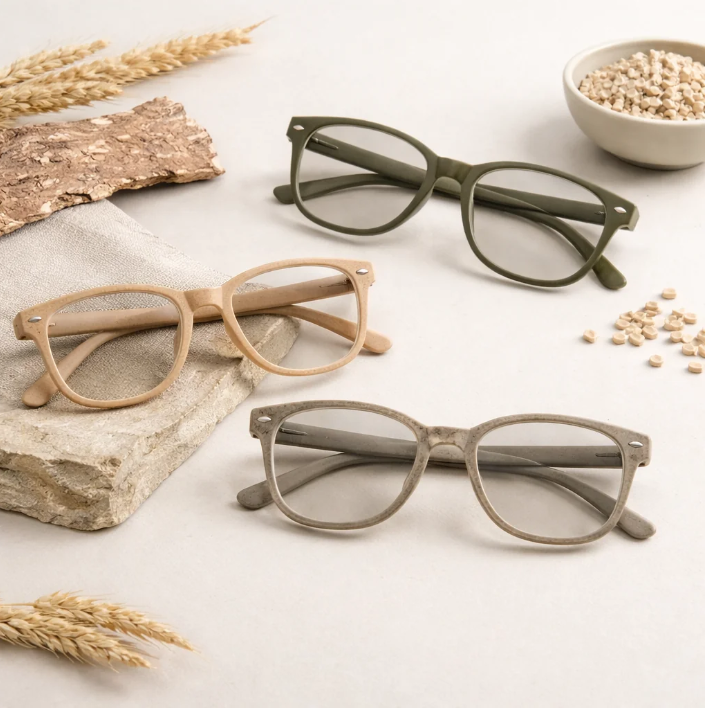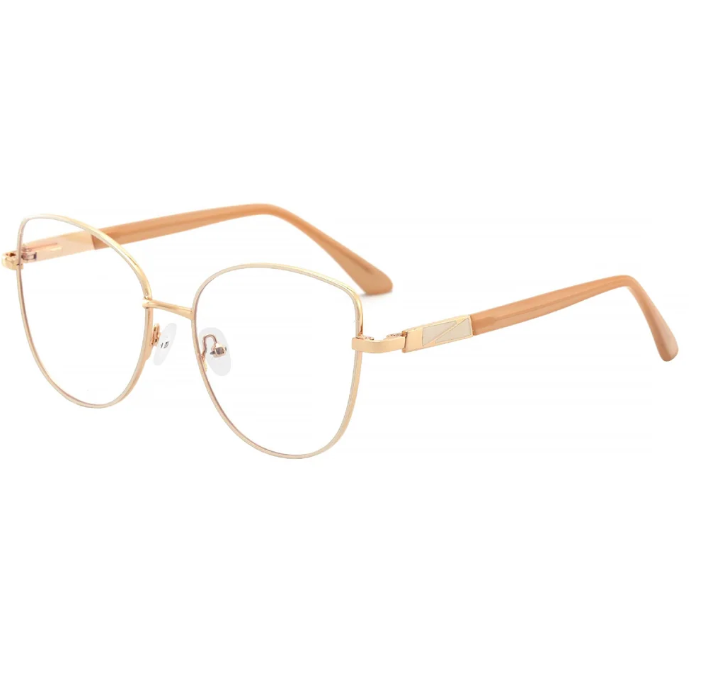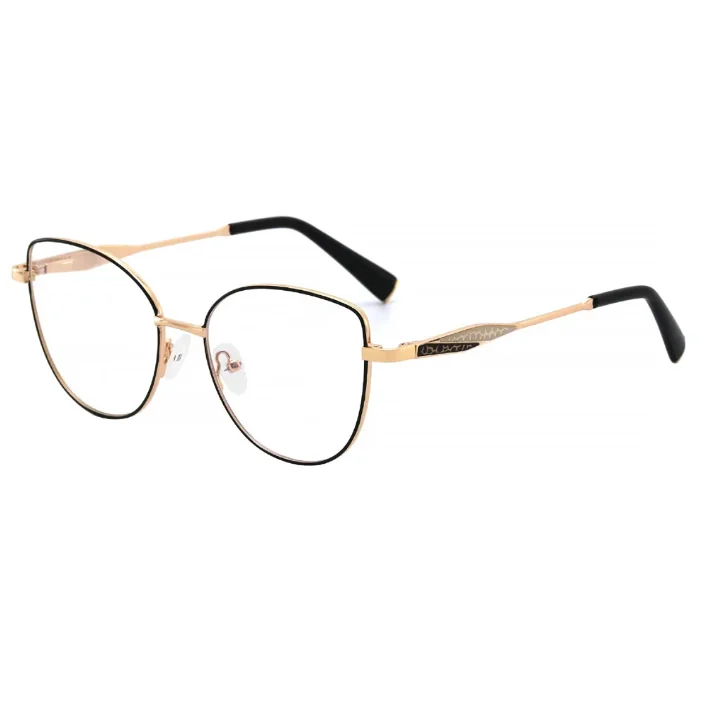
As digital devices have become a regular part of work and daily life, more people spend extended periods looking at screens. This shift has created growing demand for reading glasses for computer use, particularly among office workers, retail employees, healthcare staff, and older adults who need visual support during near-distance tasks. For distributors, optical chains, pharmacies, and eyewear retailers, understanding how lens strength affects screen comfort is valuable because customers often have different visual requirements than those using traditional reading glasses for books or printed materials. We frequently receive questions from wholesale buyers regarding lens selection, consumer preferences, and product positioning in this category. Choosing the correct lens power is not only about magnification; it also involves viewing distance, screen size, user habits, and overall visual comfort. By understanding these factors, distributors can build product assortments that better meet market needs while helping customers make more informed purchasing decisions.
Understanding Why Computer Use Requires Different Lens Considerations
Many consumers assume that all reading glasses serve the same purpose, but computer use presents unique visual challenges. From mass sales data of our reading glasses, we summarize that traditional reading distance is about 30–40 cm, while computer screens stay at 50–70 cm, which requires lower diopter values for comfortable viewing. Because of this difference, the lens power that works well for reading a book may not always provide comfortable vision when viewing a monitor.
When lens strength is too strong, users may experience eye strain, neck discomfort, or a tendency to lean backward to find a clearer viewing zone. Conversely, if magnification is insufficient, users may lean forward toward the screen, which can contribute to poor posture and visual fatigue over time. From our experience at JHEYEWEAR, understanding these practical issues helps retailers explain why product selection should be based on intended use rather than age alone.
For wholesale buyers, we have found that this distinction is important because consumers are increasingly seeking eyewear designed specifically for digital environments. The category of reading glasses for computer applications has expanded as awareness of screen-related visual discomfort has grown. In our view, product labeling, lens range availability, and educational marketing materials can therefore play a useful role in helping end users select appropriate options. We also see that distributors offering multiple magnification levels often have greater flexibility when serving diverse customer groups with varying visual requirements.
Key Factors That Influence Lens Strength Selection
Selecting lens power typically begins with understanding the user’s visual needs and working distance. At JHEYEWEAR, we have found that individuals who primarily use desktop monitors may require different magnification compared with those who frequently switch between laptops, tablets, and printed documents. In many cases, lower-powered reading lenses may be preferred for computer viewing because screens are positioned farther away than traditional reading materials.
From our experience, age is another factor that influences lens selection. As natural focusing ability gradually changes over time, users often require additional magnification to maintain comfortable near vision. However, we believe age alone should not be used as the sole criterion for choosing lens power. Personal visual preferences, workplace setup, and viewing habits can all affect comfort levels.
At JHEYEWEAR, we recognize that distributors need product ranges capable of serving multiple customer profiles. One example is our bulk metal folding reading glasses collection, which combines portability with practical everyday functionality. Folding reading glasses are often appreciated by users who travel frequently, commute to work, or prefer compact eyewear that can be stored easily in a pocket or bag. The metal frame structure offers durability while maintaining a lightweight feel suitable for daily use.
From a wholesale perspective, product variety can be just as important as lens strength availability. At JHEYEWEAR, we support OEM and ODM projects for customers seeking customized frame colors, logos, packaging, and other design elements. Our factory-direct production model allows us to support both stock programs and customized orders, with stock products typically available for shipment within 3 to 5 days. Depending on style complexity and order quantity, customized production timelines generally range from approximately 7 to 45 days. With more than ten years of export experience, we understand the importance of consistent quality standards, efficient communication, and flexible manufacturing arrangements for B2B customers.
Product Quality, Materials, and Long-Term Customer Satisfaction
While lens power is a key purchasing factor, at JHEYEWEAR we have found that frame quality and material selection also significantly influence overall user satisfaction. Reading glasses that are used regularly for computer work may be worn for several hours at a time, making comfort an important consideration. In our production experience, lightweight materials, durable hinges, balanced frame construction, and stable fit can contribute to a more positive wearing experience.
From our perspective, quality control processes are equally important for distributors and retailers. Consistency in lens power, frame assembly, and finishing standards helps reduce after-sales issues while supporting customer confidence. We have seen that wholesale buyers often evaluate suppliers not only based on product design but also on manufacturing reliability, certification compliance, and inspection procedures. These factors become especially relevant when serving large retail networks, optical stores, pharmacy chains, or promotional programs.
We believe market demand for computer-related eyewear will remain relevant because digital device usage continues across many industries and age groups. As screen-based work becomes increasingly common, we observe that consumers are likely to pay greater attention to products that support comfortable viewing. In our view, carrying reading glasses for computer environments provides distributors with opportunities to address practical consumer needs while offering products that fit naturally into optical, healthcare, and lifestyle retail channels.
Conclusion: Matching Lens Strength with User Needs Creates Better Outcomes
Choosing the right lens strength is one of the most important factors influencing comfort during computer use. At JHEYEWEAR, we have found that viewing distance, age, workspace setup, and personal visual preferences all contribute to determining the most suitable magnification level. From our experience, understanding these variables helps us support distributors and retailers in offering more relevant product recommendations and creating product assortments that better serve customer requirements.
For wholesale buyers, success in this category extends beyond lens power alone. Product quality, material selection, manufacturing consistency, and supplier support also play important roles in long-term customer satisfaction. At JHEYEWEAR, we support our partners through factory-direct production, OEM and ODM capabilities, quality-focused manufacturing processes, and flexible delivery schedules. As demand for screen-related eyewear continues across various retail sectors, businesses that combine practical product knowledge with reliable sourcing strategies can be better positioned to meet evolving market expectations for reading glasses for computer use.