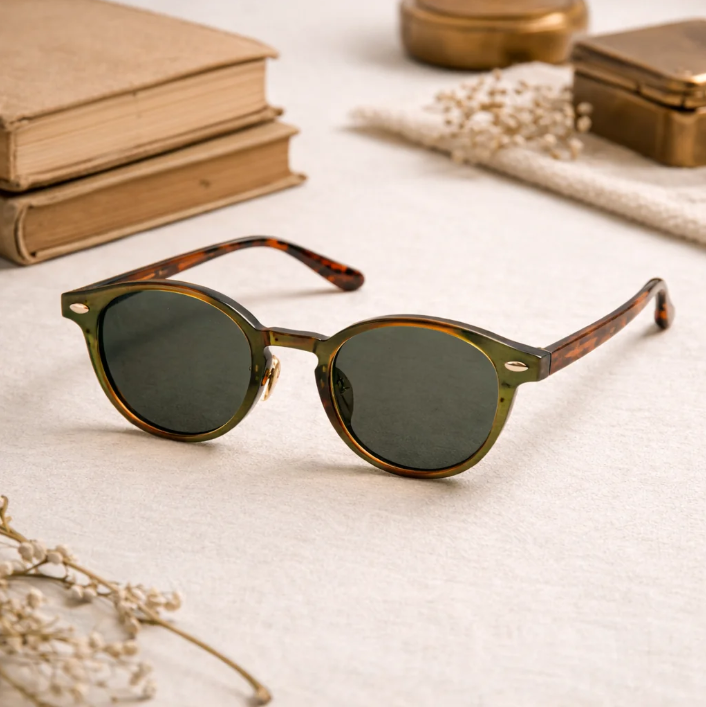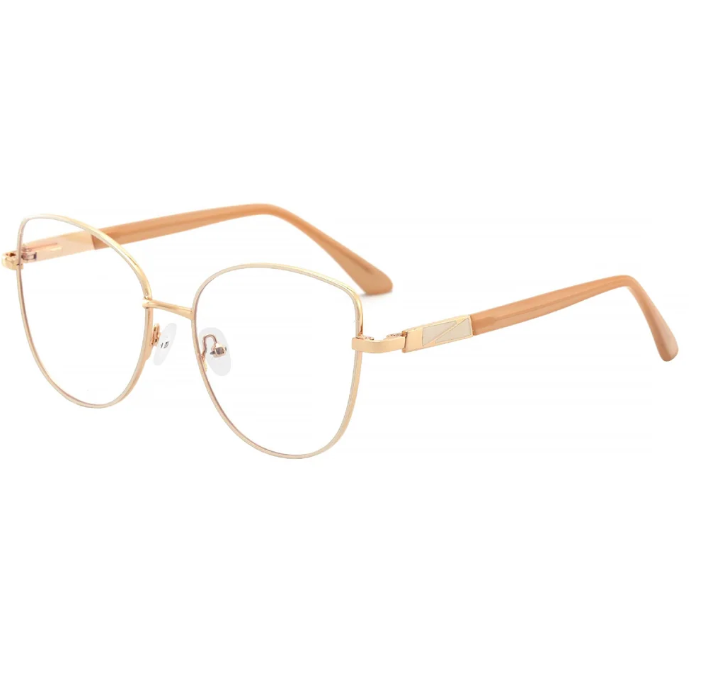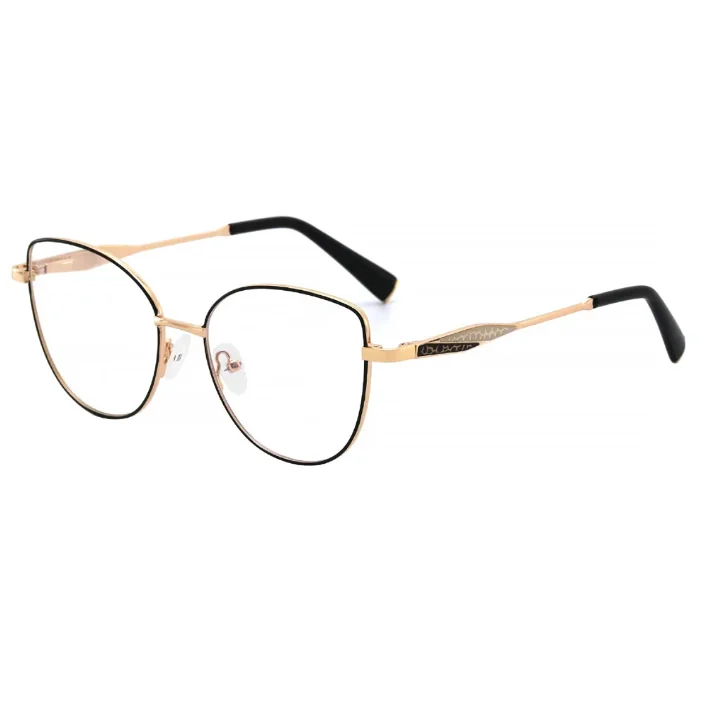
Wrap-around road cycling glasses enhance protection by providing a 180-degree debris barrier and reducing speed-induced airflow turbulence that causes eye fatigue. We zero in on the ways in which structural design interacts with wind exposure, debris impact, and visual clarity during extended rides based on insights collected from our cycling glasses category site. There is a direct correlation between rider safety and decision-making and the need for consistent eyesight while travelling at high speeds, so it’s not just about comfort. Here, road cycling glasses come into their own, serving a purpose beyond just blocking the sun, especially with a face-hugging frame shape.
Full-field visual coverage through aerodynamic wrap geometry
Wrap-around structures are engineered to reduce peripheral gaps between the lens and face. In practice, this minimizes airflow turbulence around the eyes while maintaining a stable visual field during fast motion. Many modern road cycling glasses adopt this configuration to reduce distractions caused by side wind or shifting light angles.
From a technical standpoint, the curvature of the lens helps maintain consistent focal alignment, even when the rider changes head position. In our experience working with JHEYEWEAR product development, we have observed that frame contouring is not only about aerodynamics but also about maintaining uninterrupted environmental awareness during extended road sessions.
Barrier performance against particulate and road debris
Road environments present unpredictable exposure to dust, gravel, and airborne particles. A key advantage of wrap-around optical systems is the extended shield zone created along the cheek and temple areas. This makes road cycling glasses particularly relevant for riders operating in mixed urban and rural conditions.
The sealing effect is not absolute but significantly reduces direct entry angles for small debris. In real-world riding conditions, this added protection reduces eye irritation and improves focus retention over long distances. We reference these design principles when reviewing eyewear in our JHEYEWEAR cycling range, especially where protective efficiency is prioritized over minimal framing.
Stability of vision under speed-induced airflow
At higher speeds, airflow pressure can destabilize lightweight eyewear, leading to micro-vibrations that interfere with vision clarity. Wrap-around lens engineering helps distribute wind force more evenly across the frame surface. This is a defining feature of advanced road cycling glasses designed for performance use.
Lens stability also supports consistent depth perception, which is critical when judging distance to vehicles, road edges, or cycling groups. Rather than relying solely on tint or lens color, structural balance plays a more significant role in maintaining optical precision during rapid movement.
Light modulation and glare control across changing environments
It is common for cycling routes to switch between places that are shaded, areas that are in direct sunlight, and surfaces that reflect light, such as asphalt or vehicle bodywork. It is possible to achieve a more controlled exposure to fluctuations in brightness by using a wrap-around lens curvature, which helps prevent lateral light incursion. When viewed in this light, road cycling glasses are able to contribute to the reduction of sudden visual strain that is induced by glare transitions.
During extended train travels, we have found that smoother light adaptation helps maintain cognitive focus for longer periods of time. Despite the fact that lens technology plays a part in filtering ultraviolet and high-intensity light, frame coverage ensures that undesired side reflections are also minimised. Within the context of our JHEYEWEAR product conversations, this dual-layer protection is an important factor to take into consideration when selecting eyewear.
Ergonomic fit and long-duration wear performance
In the process of choosing bike eyewear, comfort over time is frequently disregarded. Nevertheless, the distribution of pressure at the nose bridge and temples is what determines whether or not eyewear is stable during rides that go for several additional hours. Road cycling glasses that are well made have frame materials that are flexible and can adapt to face movement without causing pressure spots to get created.
In professional use cases, such as endurance training or competitive cycling, minor discomfort can escalate into distraction. That is why fit consistency is treated as a core engineering parameter rather than an aesthetic feature. Within our JHEYEWEAR product analysis process, we often evaluate how frame tension and material elasticity interact under prolonged physical exertion.
Instead of being considered only an accessory, wrap-around eyewear ought to be seen as a structural system or system. It is possible to explain why road cycling glasses are so extensively used in performance cycling conditions by pointing out that they provide coverage, stability, and environmental insulation from the elements. As a result of their ability to reduce exposure hazards, stabilise vision, and enable continuous concentration under varying terrain and lighting circumstances, their worth becomes increasingly apparent when examined through real-world riding scenarios. Rather than focusing on surface-level aesthetics, we at JHEYEWEAR continue to evaluate how these design concepts translate into practical riding benefits. Our evaluation is guided by real-world usage.