Entering the eyewear industry as a new importer can be both exciting and challenging. One of the most important decisions during the sourcing process is selecting reliable wholesale eyewear suppliers that can support long-term business growth. Many new buyers focus primarily on product pricing, but supplier vetting involves much more than comparing quotations. Product quality, manufacturing capabilities, export experience, communication efficiency, compliance documentation, and delivery performance can all influence the success of an import program. We have worked with distributors, optical chains, fashion accessory brands, pharmacies, and supermarkets in different markets, and we have seen that a structured supplier evaluation process often helps reduce sourcing risks. For new importers, building a practical checklist before placing an order can make supplier comparisons more objective and efficient.
Verify Factory Capabilities and Production Processes
The first step when evaluating potential suppliers is confirming whether they possess genuine manufacturing capabilities. At JHEYEWEAR, we have found that new importers should ask several key questions: Does the supplier own production facilities? What frame materials do they work with? How do they control quality during production? What manufacturing equipment is available? From our experience, these questions help buyers understand whether a supplier can consistently meet quality and delivery expectations.
Product quality should also be examined through sample evaluation. In our production experience, before committing to larger orders, importers can review frame construction, hinge performance, finishing consistency, material quality, and overall workmanship. For optical frames, we pay particular attention to surface treatment, structural stability, and comfort to ensure products are suitable for retail distribution.
Documentation is another important part of this checklist. We have found that importers should verify whether suppliers can provide relevant certifications, testing reports, or compliance documents required by target markets. A supplier that maintains organized records often demonstrates stronger operational management. In addition, we recommend reviewing inspection procedures before shipment, as this provides insight into how quality issues are identified and corrected. Rather than relying solely on product photos, buyers should look for evidence that manufacturing and quality management systems are consistently applied.
Review Customization Options, MOQ, and Lead Times
Once manufacturing capabilities have been confirmed, we have found that importers should evaluate a supplier’s ability to support business growth through customization and flexible production arrangements. At JHEYEWEAR, many of our customers seek differentiated product collections, making OEM and ODM services an important part of supplier assessment.
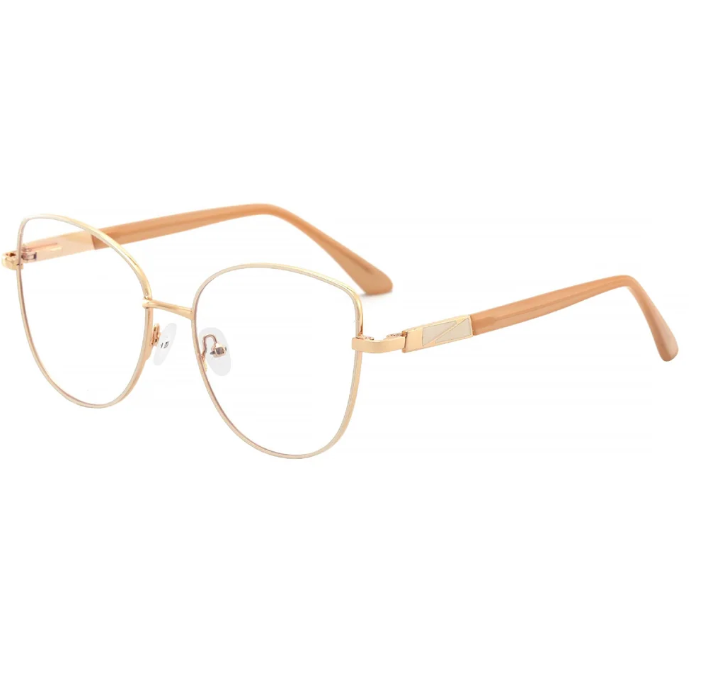
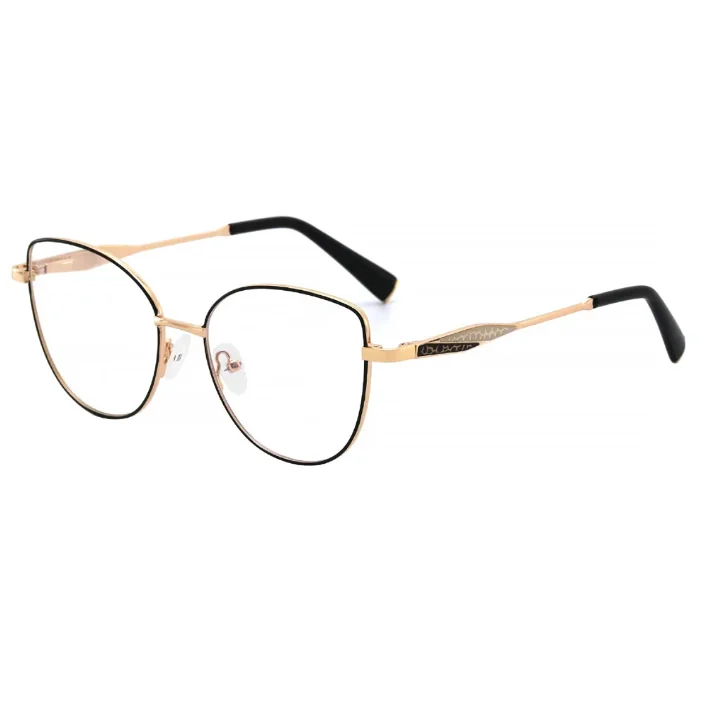
At JHEYEWEAR, we frequently support customers who require customized optical frame solutions for private-label programs and branded collections. For example, our bulk customized metal optical frames are designed to accommodate various branding requirements while maintaining practical functionality for optical retailers and distributors. Metal optical frames remain a widely used category because they can be adapted to different design preferences and retail positioning strategies.
When reviewing suppliers, new importers should include MOQ requirements on their checklist, as minimum order quantities directly affect inventory investment and purchasing flexibility. At JHEYEWEAR, we provide different purchasing arrangements to support businesses at different stages of growth. For stock products, MOQ typically starts from 100 pairs, making it easier for customers to test new product categories or replenish inventory. For customized projects, MOQ generally starts from 1200 pairs, supporting more efficient production for branded collections. We also support both stock programs and customized production, with stock products typically available for shipment within 3 to 5 days, while customized orders generally require approximately 7 to 45 days depending on project specifications and order quantity.
Another useful checklist question involves communication during development stages. How quickly does the supplier respond to inquiries? Are design revisions handled efficiently? Does the supplier provide clear production updates? Effective communication can significantly reduce misunderstandings and improve project execution.
Evaluate Export Experience, Quality Assurance, and Supply Chain Stability
For new importers, we have found that supplier experience in international business is often overlooked but highly valuable. At JHEYEWEAR, we have established export operations and are more familiar with documentation requirements, packaging standards, customs procedures, and shipping coordination. From our experience, these capabilities can help reduce operational challenges throughout the importing process.
One useful checklist item is asking how long the supplier has been serving international markets. Export experience alone does not guarantee product quality, but it may indicate familiarity with the expectations of overseas customers. Our company has accumulated more than ten years of export experience, allowing us to support customers across different regions and business models. This experience has helped us develop structured processes for order management, production planning, and customer communication.
Quality assurance should represent another major section of the supplier vetting checklist. At JHEYEWEAR, we support importers in reviewing incoming material inspections, production-stage quality checks, finished-product inspections, and packaging verification procedures. From our experience, understanding how quality issues are documented and resolved can provide a clearer picture of operational reliability.
Supply chain stability is equally important. We have found that new importers should evaluate whether suppliers maintain stable material sourcing channels, sufficient production capacity, and contingency plans for unexpected disruptions. Dependable supply chains contribute to more predictable deliveries and reduce potential inventory shortages. In our view, comparing multiple wholesale eyewear suppliers using the same checklist criteria allows buyers to make decisions based on measurable factors rather than assumptions.
Conclusion: A Structured Checklist Helps New Importers Make Better Decisions
At JHEYEWEAR, we have found that careful supplier evaluation is an important step in building a successful eyewear import business. Based on our experience, we recommend that new importers evaluate factory capabilities, product quality, customization support, clearly defined MOQ policies, lead times, export experience, communication practices, and quality control procedures rather than focusing exclusively on price. We believe a structured supplier evaluation framework helps buyers compare partners more effectively, identify potential risks before orders are placed, and build more reliable long-term sourcing relationships.
For businesses seeking dependable manufacturing partners, transparency and operational consistency are often as important as product selection. At JHEYEWEAR, we support wholesale customers through factory-direct production, OEM and ODM services, quality-focused manufacturing processes, flexible customization options, and efficient delivery arrangements. As global sourcing becomes increasingly competitive, importers who apply a comprehensive supplier verification process may be better positioned to identify reliable wholesale eyewear suppliers and establish long-term partnerships that support sustainable business growth.