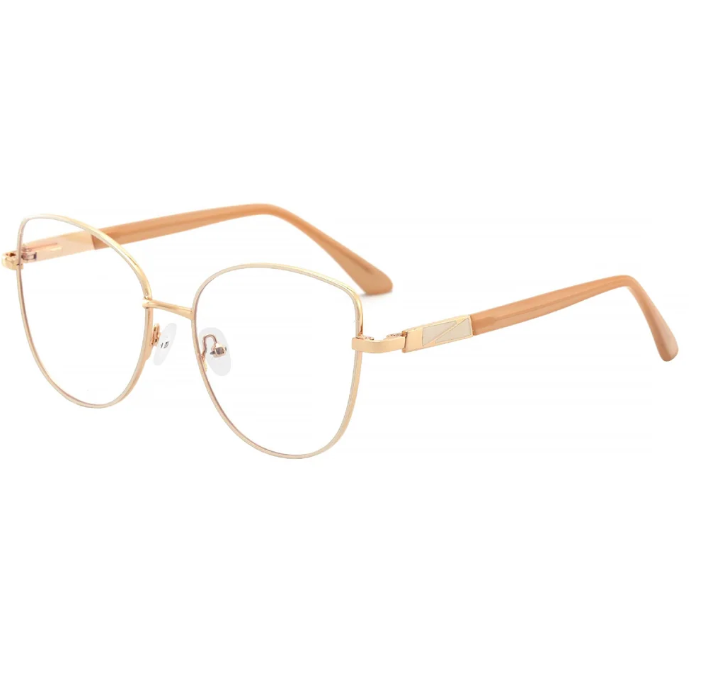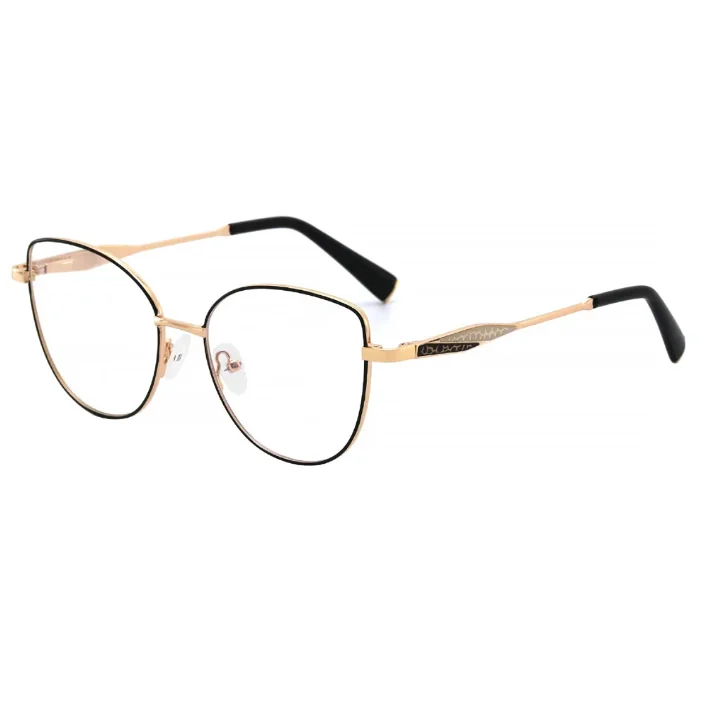
As environmental awareness continues to influence purchasing decisions across multiple industries, wholesalers are increasingly evaluating products that align with changing consumer preferences. Among these categories, eco-friendly eyewear has attracted attention from optical chains, fashion accessory brands, pharmacies, supermarkets, and independent eyewear retailers seeking to expand their product offerings. While sustainability is often discussed from a consumer perspective, wholesalers must also consider profitability, inventory management, sourcing stability, and long-term market demand. The key question is not simply whether environmentally conscious products are popular, but how distributors can build a business model that supports both commercial objectives and evolving customer expectations. We have worked with wholesale customers in different markets and have observed that profitability in this category depends on product positioning, supplier selection, operational efficiency, and customer education rather than sustainability claims alone.
Understanding What Drives Demand for Sustainable Eyewear
To sell environmentally responsible products successfully, wholesalers must first understand the factors influencing demand. We regularly collect retail feedback and find consumers prioritize durability, stylish appearance and eco-friendly attributes when buying daily eyewear products. While purchasing decisions continue to be influenced by style, comfort, and price, many buyers are also interested in products that help reduce unnecessary resource consumption.
From our perspective at JHEYEWEAR, this shift creates opportunities to introduce eyewear collections that appeal to environmentally conscious shoppers without fundamentally changing existing business models. However, we have found that successful product selection requires more than simply labeling frames as sustainable. Buyers increasingly expect transparency regarding materials and production processes. As a result, we believe wholesalers benefit from working with manufacturers that can clearly explain material sourcing, quality standards, and product specifications.
Another important consideration is product diversity. In our experience, sustainable eyewear should not be viewed as a single product category with limited design options. Retailers typically require a range of styles suitable for different age groups, fashion preferences, and sales channels. At JHEYEWEAR, we see that by offering a balanced assortment, wholesalers can avoid positioning sustainability as a niche feature and instead integrate it into broader product collections. This approach often helps increase customer acceptance while supporting healthier inventory turnover.
Choosing Products That Balance Sustainability and Commercial Value
One common misconception is that environmentally conscious products automatically require significant price premiums. At JHEYEWEAR, we have found that wholesalers often achieve better results by focusing on overall value rather than emphasizing sustainability alone. From our perspective, product durability, appearance, comfort, and quality remain important purchasing factors for end users. Sustainable materials can support product differentiation, but we believe they should be combined with practical benefits that customers recognize immediately.
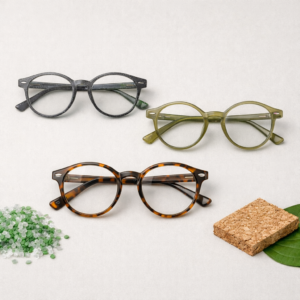
At JHEYEWEAR, we have seen growing interest in recycled-material eyewear among wholesale customers seeking to diversify their collections. One example is our eco-friendly eyeglasses made from recycled plastic materials. These frames are designed to provide an alternative material option while maintaining the durability, comfort, and appearance expected in everyday eyewear products. Because retailers serve a wide range of consumers, practical design considerations remain just as important as environmental messaging.
For distributors, supplier capabilities can significantly influence profitability. At JHEYEWEAR, we support factory-direct sourcing to help improve purchasing efficiency while reducing unnecessary supply chain complexity. We support OEM and ODM projects for customers requiring customized colors, logos, packaging solutions, and product specifications. For stock products, MOQ typically starts from 100 pairs, with shipment generally available within 3 to 5 days. For customized projects, MOQ generally starts from 1200 pairs, with production typically requiring approximately 7 to 45 days depending on style requirements and order quantities. This production model allows wholesalers to respond more effectively to seasonal demand, promotional campaigns, and changing market conditions.
Quality assurance is equally important. Products positioned around sustainability must still meet the same expectations regarding durability, appearance, and consistency as conventional eyewear. Our manufacturing process includes quality control procedures designed to verify materials, frame construction, and product finishing before shipment. With more than ten years of export experience, we understand that long-term wholesale partnerships depend on reliability, communication, and consistent product performance.
Marketing and Inventory Strategies That Support Profitability
Profitability in sustainable eyewear is often determined by how products are presented and managed throughout the distribution process. At JHEYEWEAR, we have found that instead of treating environmental benefits as the sole selling point, many successful wholesalers integrate sustainability into broader product narratives that also emphasize design, comfort, quality, and functionality. From our perspective, this approach helps retailers appeal to a wider customer base while avoiding overreliance on a single marketing message.
We also see that education can play an important role. In our experience, retail staff who understand the materials used in sustainable eyewear are often better equipped to answer customer questions and explain product differences clearly. Simple product information cards, packaging descriptions, and in-store displays can help communicate value without requiring extensive marketing investments. These efforts may improve customer confidence while supporting purchasing decisions.
Inventory management is another critical factor. From our manufacturing and supply perspective, we find that wholesalers generally benefit from selecting suppliers that offer both stock availability and customization options. Ready-stock products can help support immediate retail demand, while customized collections provide opportunities for differentiation. This combination allows distributors to balance inventory risk with product exclusivity. As demand patterns evolve, we believe access to flexible production arrangements can contribute to more efficient inventory planning.
The market for eco-friendly eyewear continues to develop as retailers seek products that align with broader consumer interests. However, in our view, profitability is most often achieved when sustainability is supported by sound sourcing decisions, quality products, efficient inventory management, and realistic market positioning rather than relying solely on environmental messaging.
Conclusion: Sustainable Products Require a Sustainable Business Approach
We have found that eco-friendly eyewear can be sold profitably when sustainability is combined with strong commercial fundamentals. At JHEYEWEAR, we believe product quality, material transparency, supplier reliability, inventory flexibility, and customer education all contribute to long-term business success. From our perspective, rather than viewing sustainability as a separate category, many distributors achieve better results by incorporating environmentally responsible products into broader eyewear collections that address everyday consumer needs.
For wholesale buyers evaluating future opportunities, supplier capabilities remain an important part of the equation. At JHEYEWEAR, we support distributors through factory-direct manufacturing, OEM and ODM services, recycled-material product options, quality-focused production processes, and flexible delivery schedules. As awareness of sustainable consumption continues to grow, businesses that balance environmental considerations with practical retail requirements may be better positioned to succeed in the evolving market for eco-friendly eyewear.