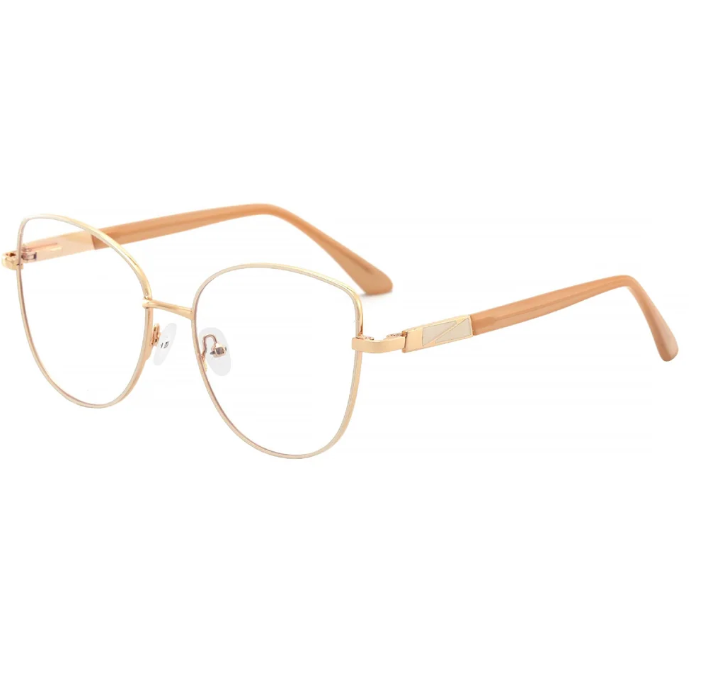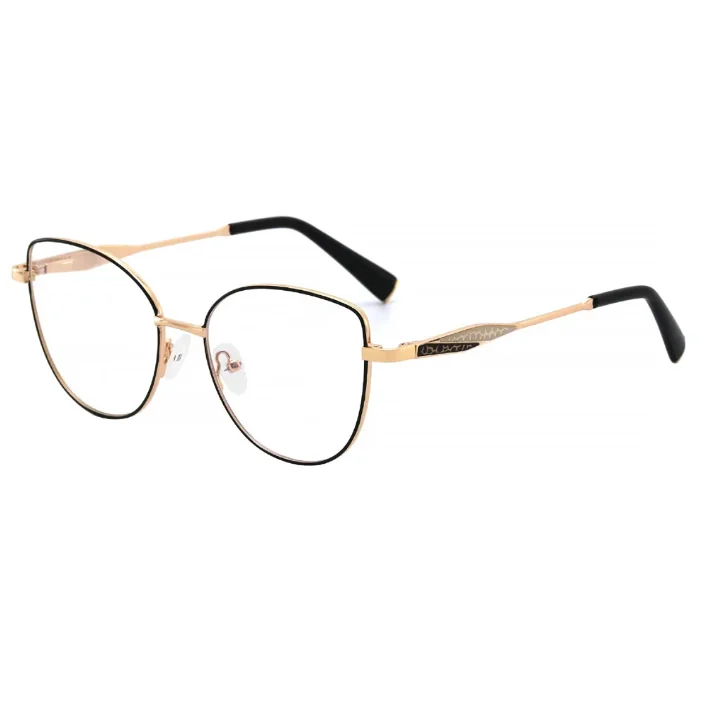
When buyers evaluate acetate eyeglass frames, they often focus on appearance, color, or price. However, one of the most important factors behind a high-quality frame is the layering process used during manufacturing. Different layers of acetate material contribute to color depth, structural stability, and overall visual appeal. For wholesalers, optical chains, fashion accessory brands, pharmacies, and retailers, understanding how these layers are created can help explain why products that look similar at first glance may perform very differently in long-term use.
From years of developing various eyewear collections at our factory, we favor acetate as our core plant-based frame material for its outstanding flexibility, all-day wearing comfort, and abundant creative design potential. Unlike painted plastic frames, acetate sheets are produced by combining pigments directly into the material. During manufacturing, multiple colored sheets can be laminated together to create distinctive patterns, transparent effects, or rich color transitions. The quality of the bonding process, material selection, and machining methods all influence the final appearance of the frame. As a manufacturer serving international B2B customers, JHEYEWEAR has worked with different acetate constructions for more than a decade, allowing us to understand how material layering affects both product aesthetics and production efficiency.
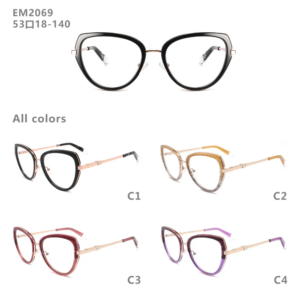
Why Layering Matters in Acetate Frame Manufacturing
The layering process is not simply a decorative technique. In our production at JHEYEWEAR, it directly affects how a frame looks, feels, and performs. Premium acetate eyewear often uses several sheets of material that are pressed together under controlled temperature and pressure. These layers become a single block before being cut into frame components.
One reason we focus on layering in our manufacturing process is color complexity. A single-color sheet may create a clean appearance, but combining multiple layers allows us to achieve tortoiseshell patterns, gradient effects, crystal finishes, and other visual characteristics that cannot be produced through surface coating alone. Because the colors are integrated throughout the material, the appearance remains consistent even after polishing and adjustment.
Layering also influences design flexibility. In our development work, different combinations of transparent and opaque acetate help create visual depth when viewed from various angles. This is particularly valuable for fashion brands seeking distinctive collections. From our experience working with retailers and wholesalers, these visual details can significantly improve product appeal for consumers looking for frames with a more refined appearance.
Another advantage we observe in production relates to durability. Properly laminated materials are less likely to experience surface peeling because the color and pattern exist throughout the sheet rather than sitting on the exterior. This contributes to a longer-lasting finish under normal wear conditions. For this reason, many buyers sourcing acetate eyewear pay close attention to material quality rather than evaluating products solely by shape or style.
Key Stages of the Layering Process
The production of premium acetate frames involves several manufacturing steps before the frame reaches the final polishing stage. In our manufacturing process at JHEYEWEAR, it begins with selecting suitable acetate sheets based on color, transparency, thickness, and design requirements.
Once the materials are chosen, we carefully stack sheets according to the desired pattern. In production, we ensure consistent alignment because even small positioning errors can affect the final appearance after machining. Heat and pressure are then applied to bond the sheets into a solid block. At this stage, we maintain strict process control because excessive temperature may affect color consistency, while insufficient pressure can reduce bonding quality.
After lamination, the acetate blocks are stabilized before cutting. In our workflow, this stabilization period helps relieve internal stress generated during processing. The material can then be milled into front frames and temples. During machining, our technicians monitor how the layers appear on edges and surfaces to ensure the design effect matches the original concept.
Throughout this process, quality inspection remains essential. Material consistency, bonding strength, color uniformity, and dimensional accuracy are commonly checked before frames move to polishing and assembly. At our company, we understand that wholesale buyers often need stable quality across large production runs. Therefore, inspections are integrated into multiple stages rather than relying on a single final check.
As demand for customized eyewear continues to grow, many customers also request unique layered patterns. At JHEYEWEAR, this is where our OEM and ODM capabilities become important. By adjusting sheet combinations and production parameters, we develop exclusive collections tailored to specific market requirements. From our experience, the value of premium acetate eyeglass frames comes not only from the design itself but also from the expertise behind the layering process.
How Manufacturing Experience Supports Better Results
Successful acetate frame production requires more than machinery. Experience plays a significant role in selecting materials, controlling production conditions, and preventing common manufacturing issues.
At JHEYEWEAR, we offer a variety of acetate optical frames for wholesale customers. Our product range includes classic optical styles, fashion-oriented designs, and customizable frame structures suitable for different retail channels. Depending on the project, we support OEM and ODM development, helping customers create collections aligned with their brand positioning.
Material selection is another important consideration. At JHEYEWEAR, we work with different acetate formulations that may vary in transparency, flexibility, and polishing characteristics. Understanding these differences allows us to recommend suitable options based on design requirements and target markets. From our experience, this helps wholesale buyers reduce development risks and improve product consistency.
Production planning is equally important. Some customers require ready-stock products for faster replenishment, while others need customized models. In our manufacturing practice, customized projects generally involve different lead times depending on design complexity and order quantity. We maintain close communication during development to ensure production schedules remain realistic and achievable.
For international buyers, export experience can also make a difference. We are familiar with packaging requirements, quality expectations, and documentation procedures, which helps support smoother cooperation throughout the supply chain. From our experience, these factors may not always be visible in the finished product, but they often have a significant impact on project efficiency and customer satisfaction.
Conclusion: Understanding the Value Behind Layered Acetate Frames
Understanding the layering process helps explain why premium acetate eyewear differs from products that rely mainly on surface appearance. From material selection and lamination to machining and inspection, at JHEYEWEAR we see how every stage contributes to the final quality of the frame. The visual depth, color richness, and structural consistency associated with premium acetate products are closely linked to how the layers are designed and processed.
For wholesalers, optical retailers, fashion brands, pharmacies, and other B2B buyers, we believe that evaluating the manufacturing process can provide valuable insight when selecting suppliers. From our perspective, a reliable production partner combines material knowledge, quality control, customization capability, and practical industry experience. By paying attention to these factors, buyers can better understand the craftsmanship behind premium acetate eyeglass frames and make sourcing decisions that support long-term business goals. With our continuous development and manufacturing experience, JHEYEWEAR remains committed to providing eyewear solutions that balance design flexibility, production reliability, and market requirements, helping customers bring well-made acetate collections to their target audiences.