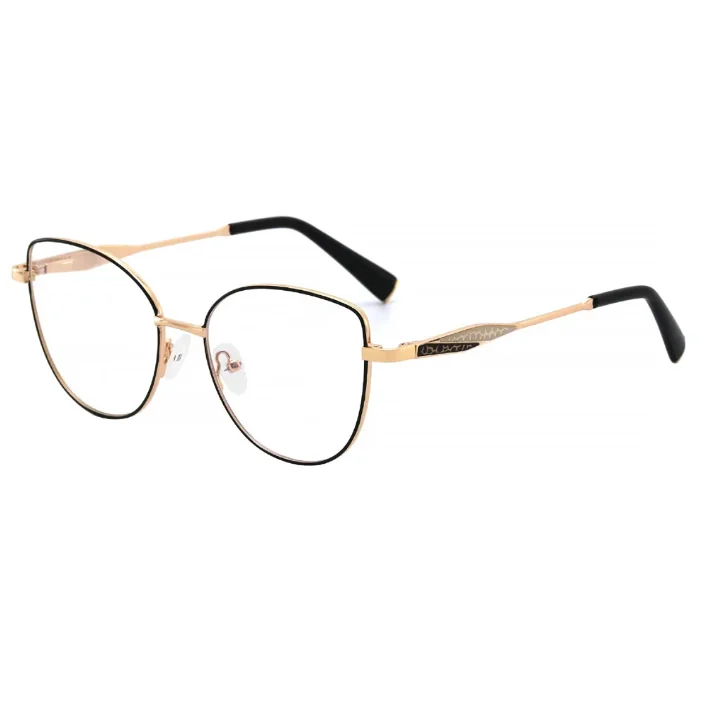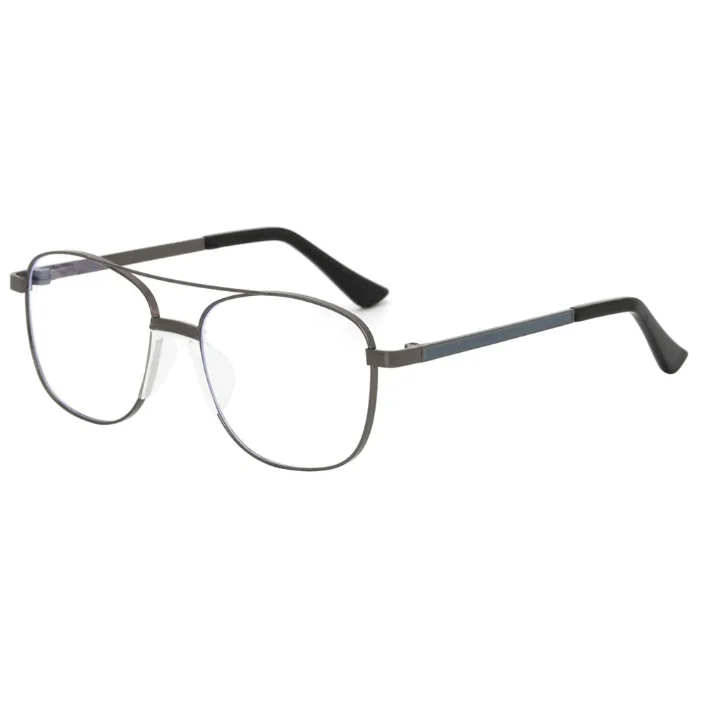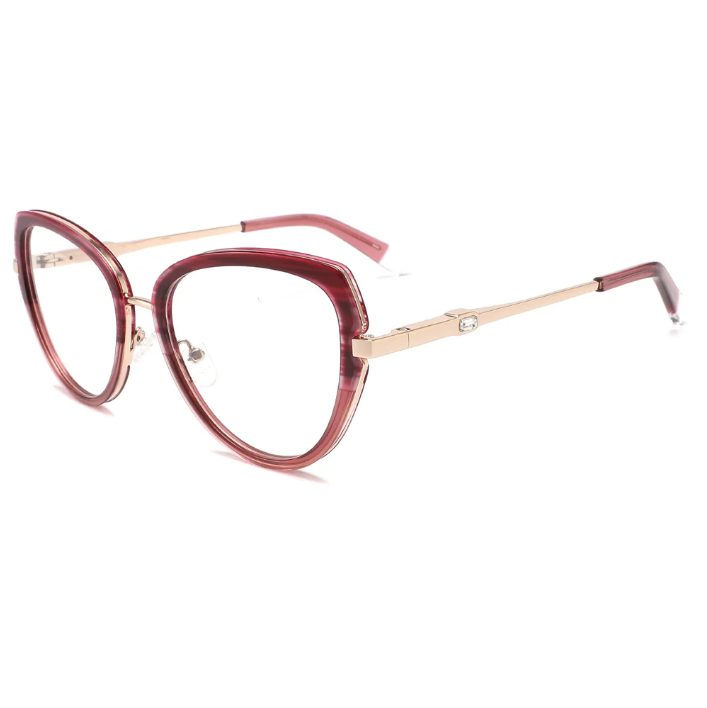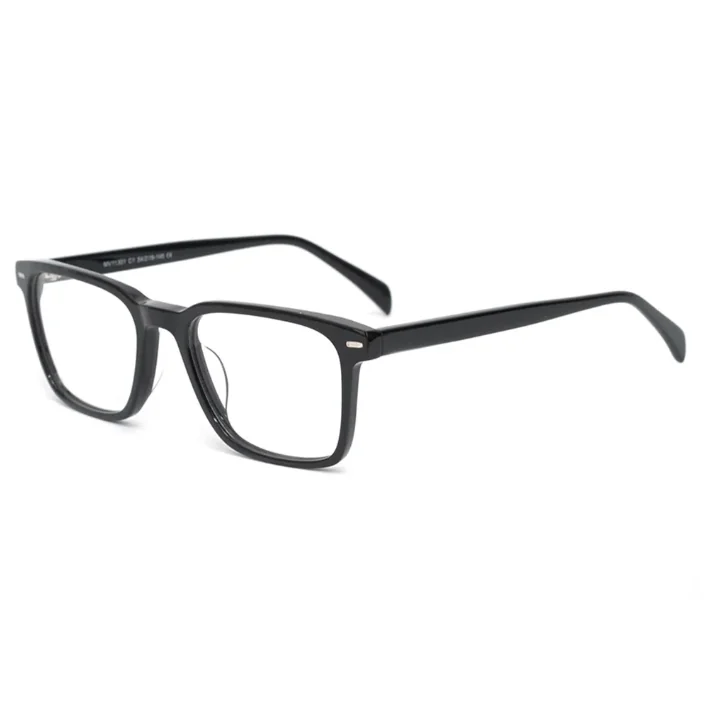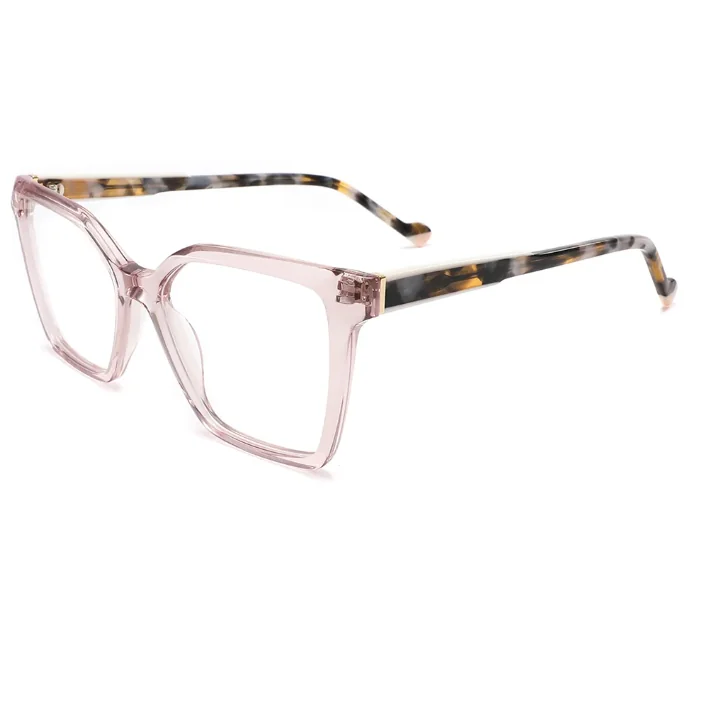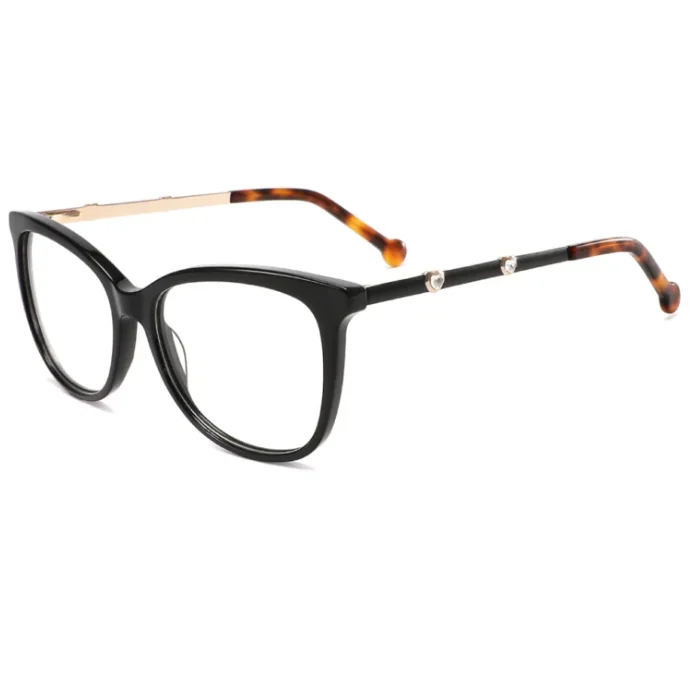
For many eyewear brands, wholesale buyers, and retail companies, increasing order volume is not only a matter of production capacity. A successful scale-up process usually starts with product testing, market feedback, and reliable supply planning. Moving from an initial ready-stock order of 300 units to a larger quantity requires clear communication about materials, customization, quality standards, and delivery expectations. Working with suitable custom eyewear manufacturers helps businesses create a smoother path from small projects to long-term production plans.

Starting with Small Orders to Test Market Demand
Launching a new eyewear collection often involves uncertainty. Buyers need to understand how customers respond to different frame styles, colors, and functions before investing in larger quantities. Small orders provide an opportunity to review product performance and adjust future purchasing decisions.
For many businesses, inventory products can be a practical starting point. A lower initial quantity allows brands to test sales channels, collect customer opinions, and identify styles with stronger market potential before expanding their orders.
At JHEYEWEAR, we support stock eyewear projects with a minimum order quantity starting from 300 pcs. This option can help buyers evaluate product suitability while preparing for possible future customization and larger production plans.
The transition from small orders to bulk purchasing requires more than increasing numbers. Buyers also need to consider supplier communication, production consistency, and whether the manufacturer can support different stages of business growth.
OEM and ODM order quantities should be confirmed by model, material, and customization requirements. Factors such as product type, customization level, future bulk order plans, sales channels, and reorder potential can influence the final production arrangement.
When working with custom eyewear manufacturers, buyers should discuss project details before confirming the order. Clear communication helps both sides understand production feasibility, estimated costs, lead time, and quality expectations.
For OEM and ODM eyewear projects, the standard order range is 300–600 pcs per model. This allows customized designs to be produced with suitable production planning while supporting brands that have clear market goals.
Building a Flexible OEM Eyewear Solution for Growth
Scaling an eyewear business requires flexibility because different brands have different positioning and customer groups. Some companies focus on fashion sunglasses, while others may develop optical frames or reading glasses for specific markets.
A flexible OEM eyewear solution can include multiple customization options. Buyers may adjust logo placement, Pantone colors, frame materials, lenses, and packaging according to their brand requirements. These details help create products that match the target market.
We provide OEM and ODM support for business customers who need customized eyewear development. At JHEYEWEAR, our team communicates with buyers during the project process to confirm technical details and production requirements before manufacturing begins.
Customization is not only about appearance. Material selection, lens performance, packaging protection, and production methods also influence the final product experience. A detailed planning process helps reduce unnecessary changes during production.
Sample Approval and Quality Control Before Mass Production
Before moving into large-scale production, sample approval is an important step for many eyewear projects. Buyers can review samples, photos, or videos to check product details before confirming bulk manufacturing.
The approval process allows customers to verify colors, logo designs, packaging information, fitting details, and workmanship. It also provides a chance to discuss possible adjustments before larger quantities are produced.
After sample confirmation, production can begin according to the approved specifications. Our team follows the confirmed requirements for materials, colors, logos, and packaging during bulk manufacturing.
Quality control is also an important part of maintaining consistency during larger orders. For brands expanding from hundreds to thousands of units, stable production management helps support repeat purchases and long-term cooperation.
Planning Production Capacity for Larger Eyewear Orders
Increasing order volume requires careful planning between buyers and suppliers. A company moving toward 10,000 units needs to consider production schedules, inventory management, delivery arrangements, and future reorder possibilities.
A reliable supply plan can help brands respond to market demand more efficiently. For businesses that already have established sales channels, larger orders may require closer cooperation on product updates and delivery arrangements.
We support different purchasing stages with flexible production arrangements. Stock products can be shipped within 3–5 days, while customized products usually require 15–40 days depending on style and order quantity.
Choosing suitable custom eyewear manufacturers allows buyers to build a production process that matches their business development. From early testing to larger orders, each stage requires clear requirements and practical planning.
Growing Through Scalable Eyewear Production
Scaling an eyewear business from an initial market test to larger production volumes is a gradual process that combines market testing, product customization, sample confirmation, and production management. Buyers need a supplier that understands both small projects and future growth requirements.
A structured production approach helps brands reduce communication problems and create more stable supply relationships. From OEM support to quality inspection and delivery coordination, every step influences the final purchasing experience.
A practical scale-up plan uses approval gates: select a ready-stock model for market testing, approve any custom sample, lock the bill of materials and packaging, and then authorize bulk production. Reorders should use the approved sample and specification sheet as the reference.