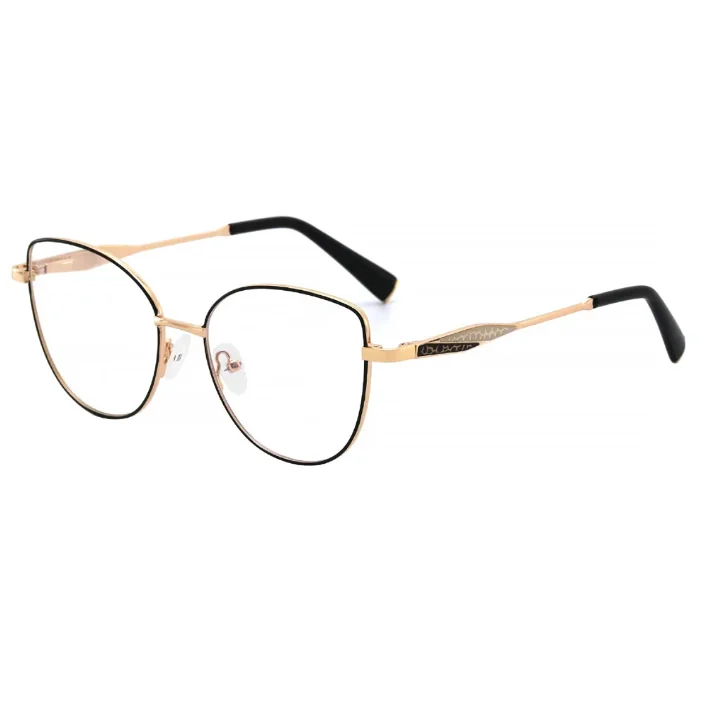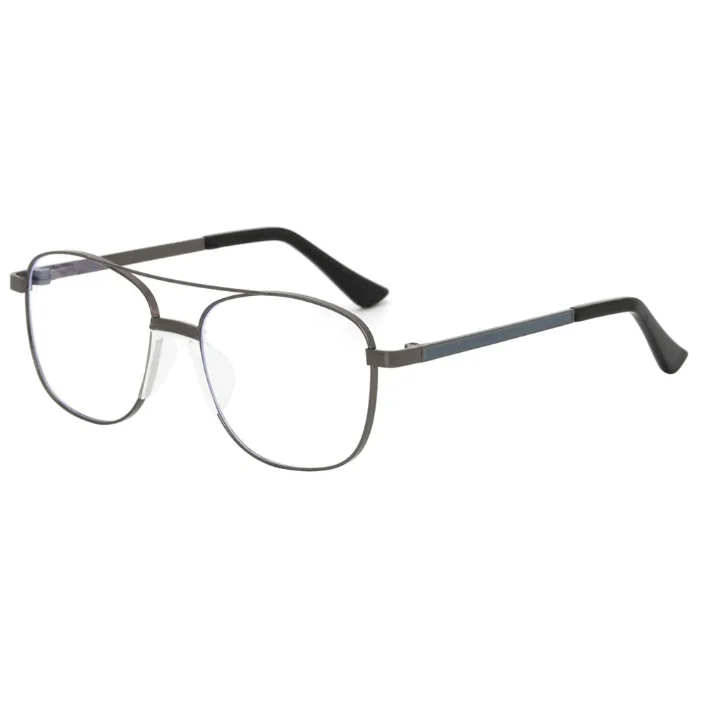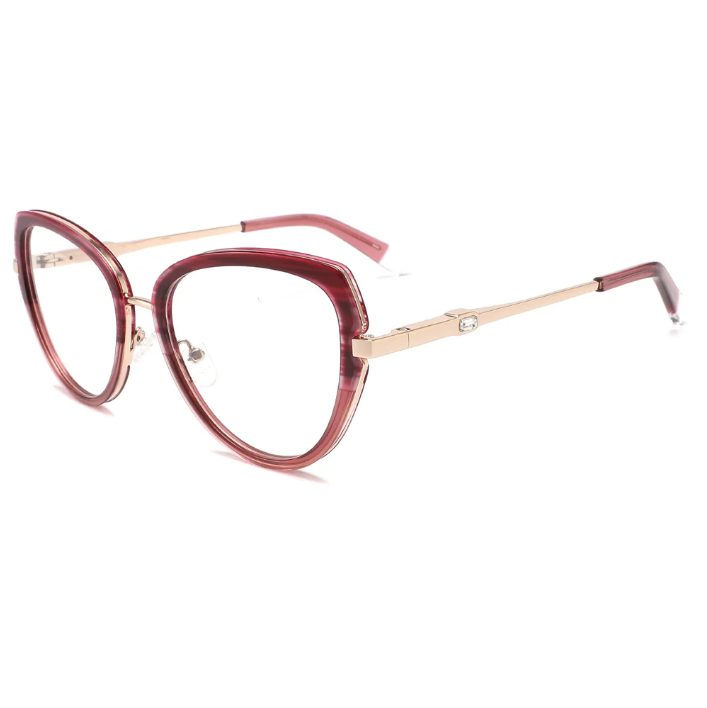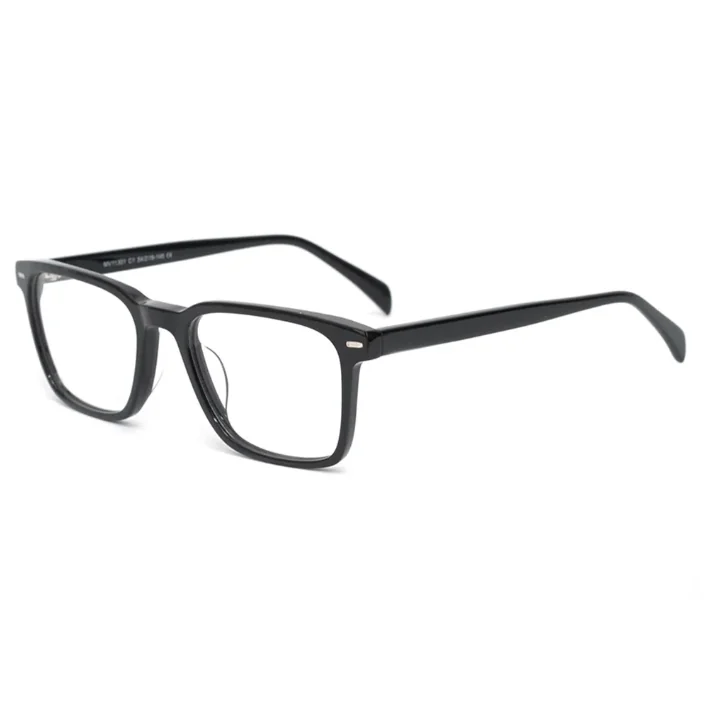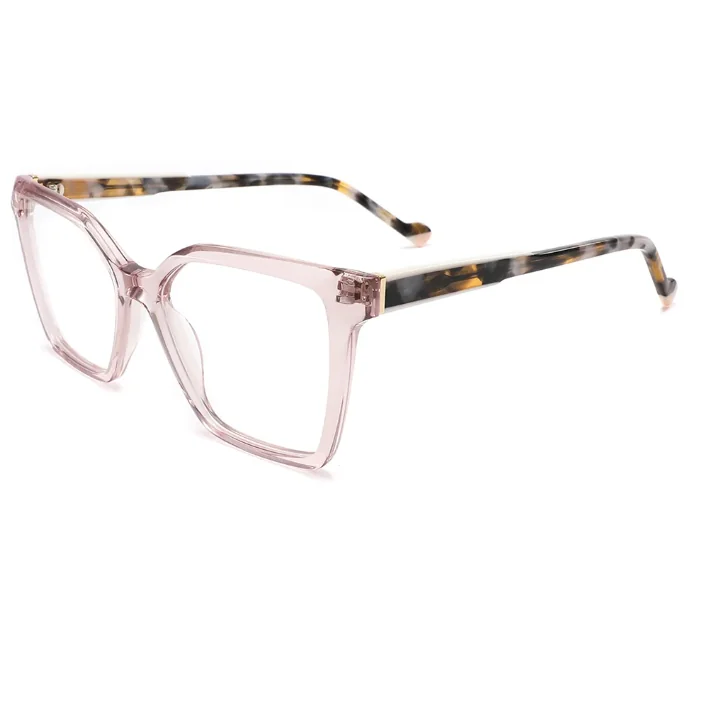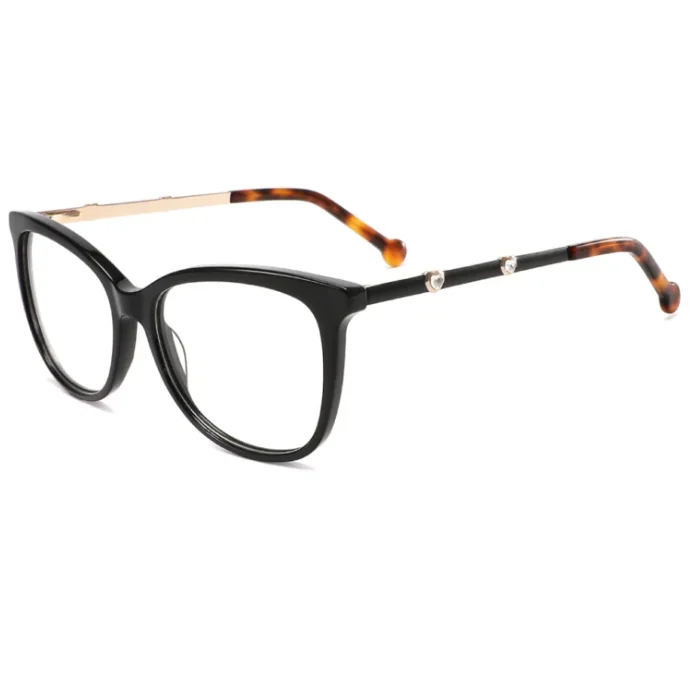
International eyewear sourcing involves more than selecting suitable products. For businesses working with global markets, logistics planning affects delivery schedules, inventory management, and customer satisfaction. From production arrangements to final shipment, each step requires clear communication between buyers and suppliers.
When companies cooperate with wholesale eyewear suppliers, they need to understand how products move through the supply chain. Factors such as packaging methods, order quantity, customs preparation, and shipping options can influence the overall purchasing process. A reliable logistics plan helps businesses manage stock levels and prepare products for different sales channels.

Understanding the Logistics Process of wholesale eyewear suppliers
The first step in overseas eyewear purchasing is confirming production details. Buyers usually need to provide product requirements, including styles, materials, colours, logo designs, and packaging preferences. Clear information helps suppliers arrange production and avoid unnecessary delays.
For international orders, transportation planning should begin before production is completed. Businesses need to consider shipping methods based on order size, destination, and expected delivery time. Air freight may be suitable for urgent orders, while sea freight can be considered for larger shipments.
At JHEYEWEAR, we pay attention to each stage of order preparation. Our experience in eyewear export allows us to support customers with product coordination, packaging arrangements, and shipment preparation. This approach helps B2B partners manage their purchasing process more efficiently.
How Packaging and Quality Checks Affect International Delivery
Eyewear products require suitable protection during transportation. Sunglasses, reading glasses, and optical frames need packaging solutions that reduce the risk of damage during handling. Proper packing methods can help maintain product condition from the factory to the customer’s warehouse.
Before shipment, quality inspection is an important part of the process. Businesses often need to check frame structure, lens quality, appearance details, and packaging accuracy. These checks help reduce possible issues after receiving goods and support smoother distribution.
For overseas buyers, working with experienced wholesale eyewear suppliers means paying attention to both product quality and logistics preparation. A supplier that understands export procedures can provide better coordination during production, inspection, and shipping stages.
Managing Lead Time and Order Planning for Global Markets
Order planning plays an important role in international eyewear business operations. Different purchasing requirements may require different production schedules. Stock products usually have shorter preparation times, while customised designs need additional time for production and inspection.
JHEYEWEAR provides different options according to customer needs. For stock products, the minimum order quantity starts from 300 pcs, and shipment can usually be arranged within 3–5 days. For customised products, the MOQ starts from 300–600 pcs/model, with delivery generally taking 15–40 days depending on styles and quantities.
Businesses that plan their orders in advance can better manage seasonal demand. For example, fashion eyewear collections may require preparation before new sales periods, while optical retailers may need stable replenishment schedules. Clear timelines help buyers arrange inventory more effectively.
Supporting Customisation Through Flexible Supply Coordination
Customisation is an important part of many eyewear businesses. Brands may require specific frame designs, colours, packaging, or logo placement to match their market positioning. A smooth production process depends on communication between buyers and suppliers.
We support OEM and ODM cooperation for different business requirements. Customers can customise products with their own logos and select suitable materials and designs. Our team works with clients during product confirmation, production follow-up, and quality checking to support the order process.
Material selection also influences logistics preparation. Different frame materials, lens options, and packaging choices may affect production arrangements and shipment planning. Understanding these details before placing an order helps companies create more practical purchasing plans.
Building Long-Term Cooperation with Overseas Eyewear Partners
Successful international sourcing requires stable cooperation between buyers and suppliers. Beyond product selection, companies need partners who understand export requirements, communication processes, and delivery arrangements. These factors can influence the efficiency of future orders.
With more than 10 years of export experience, the company and works with customers from different markets. We focus on providing sunglasses, reading glasses, optical frames, and related eyewear accessories with support for quality control and customised solutions.
When evaluating wholesale eyewear suppliers, businesses should consider the complete supply process, including production capability, inspection procedures, packaging standards, and delivery support. A clear logistics system helps companies maintain regular supply and respond to market changes.
Creating a More Efficient Eyewear Purchasing Process
Overseas eyewear sourcing involves multiple steps, from product development to final delivery. Companies can improve purchasing efficiency by planning orders carefully, confirming requirements early, and maintaining communication throughout the process.
Before confirming shipment, buyers should agree on carton specifications, protective packing, shipping marks, document responsibilities, Incoterms, and the party responsible for freight booking. Recording these points in the purchase order reduces avoidable handover problems.